Post by : Shweta
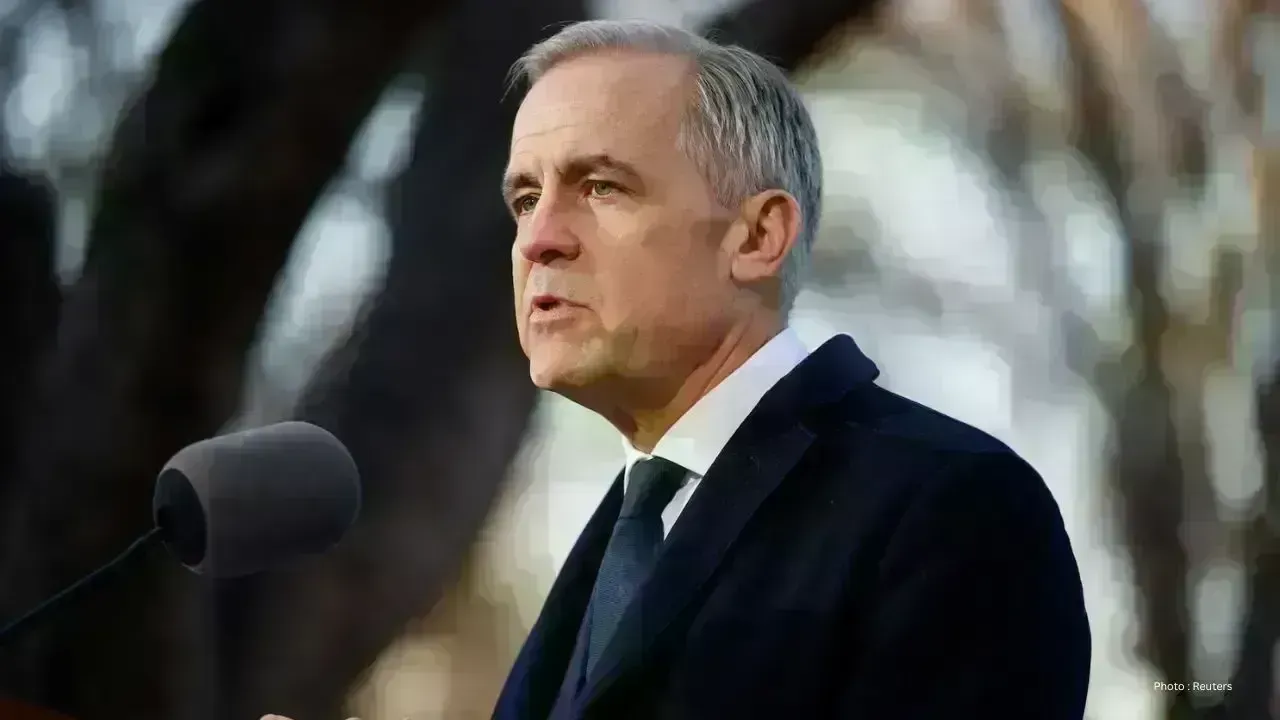
As Mark Carney approaches the second year of his tenure as Canada's Prime Minister, he continues to hold significant public admiration, yet the spotlight on his leadership is intensifying. Emerging from a successful financial career to lead a G7 country, Carney finds himself in a pivotal moment where his actions will be under scrutiny regarding both local and global matters.
Carney has made remarkable strides in politics, having rapidly ascended to leadership of the Liberal Party without previous electoral experience. Under his guidance, the party moved from a minority to a slim majority government. His influence has extended beyond domestic borders, earning accolades from international figures, including Christine Lagarde, for his influence in global economic discussions.
In his inaugural year, Carney prioritized international relations, making diplomatic visits to nations such as India and the UAE to foster investment and bolster economic connections. His address at the World Economic Forum further elevated his stature, casting him as an influential voice among middle powers contending with escalating geopolitical uncertainties.
Despite Carney's early successes, some analysts predict that his seemingly endless political honeymoon is nearing an end as focus shifts to his capability to fulfill promises domestically. His cabinet has pledged significant initiatives—including expansive housing projects, economic transformations, and efforts to decrease dependence on the United States. These ambitious agendas come with notable challenges amid Canada’s economic strains and changing global landscape.
One pressing challenge lies in his management of U.S. relations, especially related to the ongoing reassessment of the North American trade pact. Tariffs affecting Canadian industries have strained job growth, and advancements in trade negotiations remain unsatisfactory. This situation has evoked dissent from opposition leader Pierre Poilievre, who has called into question the government’s strategy and transparency.
On the home front, affordability continues to escalate as a pressing issue. Soaring fuel prices, housing affordability crises, and youth unemployment are concerns that resonate with Canadians. While the government has rolled out temporary support measures, such as tax incentives and rebates, analysts suggest that some long-term commitments, particularly those addressing housing issues, could be hard to realize swiftly.
Nevertheless, Carney retains a degree of political stability, with a majority position that may endure until 2029, presenting him with an opportunity to enact reforms and showcase effective governance. The forthcoming months could prove crucial in determining whether he can meet the heightened expectations established during his initial tenure.









Price Increase for Sony PS5 in Southeast Asia Effective May 1
Sony announces a price increase for the PS5 across Southeast Asia starting May 1, 2026, impacting ga

Potential ‘Super El Niño’ in 2026: Understanding the Climate Risks
Could a Super El Niño emerge in 2026? Discover its implications and potential global climate impacts

Global Energy Crisis Intensifies: Markets React to Oil Supply Challenges
Markets are on edge as oil disruptions escalate, influencing prices and economic stability. Explore

Must-See Tourist Spots in London You Can't Overlook
Explore London's essential attractions, from royal landmarks to vibrant markets, ensuring an unforge

Ultimate Guide to Snagging Cheap Flights in 2026
Unlock the secrets to booking affordable flights in 2026 with insightful tips and strategies tailore

The Impact of Consistent Small Investments on Wealth Building
Discover how investing small amounts regularly can positively transform your financial future over t




