Post by : Shweta
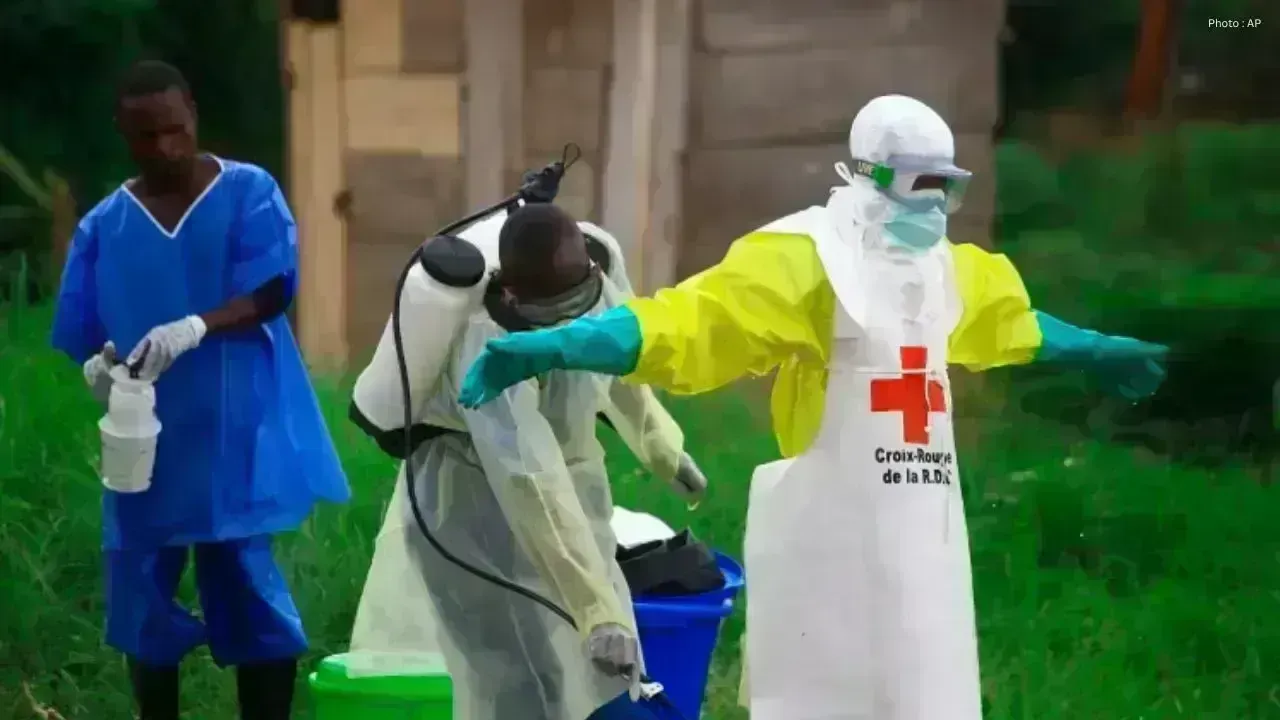
Health authorities and humanitarian groups are sounding alarms over the challenges facing Ebola response efforts in the eastern Democratic Republic of the Congo. Weak health systems, public skepticism, ongoing violence, and increasing insecurity are hampering action and escalating fears of a wider outbreak.
The current Ebola outbreak has primarily struck the eastern regions of DR Congo, where years of conflict and instability have severely damaged healthcare structures. Many rural clinics struggle with a lack of essential medical supplies, qualified staff, and efficient transport, while overcrowding at existing facilities complicates the situation for suspected Ebola patients.
According to medical teams, safety remains a paramount concern, as armed groups operate freely, making travel perilous for healthcare professionals. Reports indicate that treatment centers have faced harassment or violence, further threatening to obstruct care.
Public hesitation towards health officials is another hurdle. Many locals harbor distrust towards government and international agencies due to historical tensions and misleading information, leading some families to conceal sick relatives from medical services.
The World Health Organization and humanitarian agencies emphasize that delays in reporting cases hinder effective contract tracing and containment efforts. They stress that rapid testing, isolation, and contact tracing are vital for managing outbreaks given the virus's mode of transmission through direct contact.
Healthcare workers are feeling the strain of prolonged periods of high-pressure conditions. Facilities often operate understaffed, juggling Ebola cases alongside other critical illnesses like malaria and cholera. The healthcare system in eastern Congo is reportedly under immense stress.
International aid continues to flow into the region, with medical personnel, protective gear, and funds dispatched to bolster the response. Vaccination efforts are actively underway in high-risk areas, alongside expanded border screening and public education initiatives.
Experts caution that improving security and community trust in health workers is crucial for successful outbreak management. Collaborative efforts from the public are necessary to combat the fear and misinformation that can undermine health responses during such crises.
The Ebola virus, known for its severe symptoms and high mortality rate, remains a global health threat. Past outbreaks in DR Congo and West Africa led to significant loss of life, emphasizing the urgent need for effective response strategies.
Despite these hurdles, health authorities report that emergency teams are persistently working to manage the outbreak and avert new infections. Calls for increased global support underline the importance of long-term commitments to strengthen Congo's healthcare infrastructure and response readiness for future health emergencies.







Anticipated Dates for UAE Eid Al Adha 2026 Unveiled by Astronomical Experts
Experts predict Eid Al Adha 2026 in the UAE to start on May 27, prompting early holiday planning amo

DAE Achieves Remarkable Growth in Q1 2026 With Record Revenue
Dubai Aerospace Enterprise announces impressive financial results for Q1 2026, reflecting a surge in

Price Increase for Sony PS5 in Southeast Asia Effective May 1
Sony announces a price increase for the PS5 across Southeast Asia starting May 1, 2026, impacting ga

Potential ‘Super El Niño’ in 2026: Understanding the Climate Risks
Could a Super El Niño emerge in 2026? Discover its implications and potential global climate impacts

Global Energy Crisis Intensifies: Markets React to Oil Supply Challenges
Markets are on edge as oil disruptions escalate, influencing prices and economic stability. Explore

Must-See Tourist Spots in London You Can't Overlook
Explore London's essential attractions, from royal landmarks to vibrant markets, ensuring an unforge




