Post by : Shweta
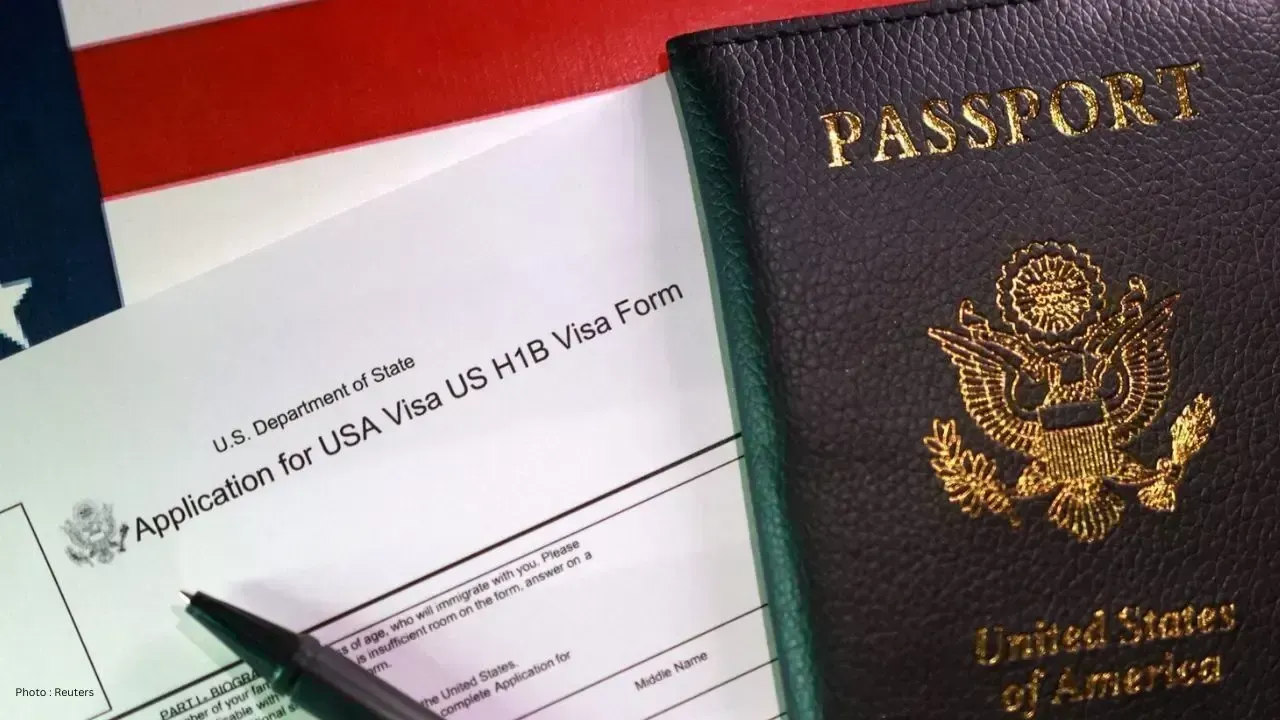
A coalition of Republican legislators in the United States has put forward a bill to suspend the H-1B visa program for a period of three years. Spearheaded by Congressman Eli Crane, the initiative contends that the existing framework is exploited by large businesses to onboard less expensive foreign labor rather than employing qualified American workers. Dubbed the “End H-1B Visa Abuse Act of 2026,” the bill proposes several transformative modifications that could drastically alter the visa system if enacted.
Among the main changes is a considerable decrease in the annual issuance of H-1B visas, with the annual limit currently set at 65,000, proposed to be slashed to merely 25,000. Furthermore, the legislation demands a minimum annual salary of $200,000 for H-1B employees, a measure lawmakers hope will ensure that companies recruit foreign talent only for truly specialized positions where American expertise is lacking.
The proposed bill also seeks to replace the existing lottery system with a wage-centric selection method. This means applicants offering higher remuneration would gain priority, discouraging businesses from opting for lower-cost overseas labor. Employers would be mandated to demonstrate they could not locate an adequately qualified American for the role and confirm they haven’t recently laid off US workers.
Additional significant revisions include restrictions on employment scenarios for H-1B visa holders. The bill aims to prohibit third-party staffing firms from employing visa holders, alongside barring workers from juggling multiple jobs. It also proposes to prevent H-1B visa holders from bringing dependents to the U.S., a measure that could considerably affect many families, particularly those from nations like India.
Moreover, the proposal seeks to terminate the Optional Practical Training (OPT) program, currently allowing international students to work briefly in the U.S. post-graduation. The bill aims to ensure temporary status for nonimmigrant visas, restricting H-1B holders from shifting to permanent residency (green cards).
Proponents assert that these reforms are crucial for safeguarding American jobs and minimizing perceived unfavourable competition. They argue that certain corporations have been utilizing the program to substitute local workers with less expensive foreign employees. Conversely, critics maintain that the H-1B program is vital for addressing skill shortages, particularly in high-demand sectors like technology and healthcare.
As the bill currently stands, it has yet to pass through Congress before it can become law. If it gains approval, the repercussions could significantly affect international mobility for talent and thousands of professionals, especially from India, who depend on the H-1B visa to gain employment in the U.S.








Price Increase for Sony PS5 in Southeast Asia Effective May 1
Sony announces a price increase for the PS5 across Southeast Asia starting May 1, 2026, impacting ga

Potential ‘Super El Niño’ in 2026: Understanding the Climate Risks
Could a Super El Niño emerge in 2026? Discover its implications and potential global climate impacts

Global Energy Crisis Intensifies: Markets React to Oil Supply Challenges
Markets are on edge as oil disruptions escalate, influencing prices and economic stability. Explore

Must-See Tourist Spots in London You Can't Overlook
Explore London's essential attractions, from royal landmarks to vibrant markets, ensuring an unforge

Ultimate Guide to Snagging Cheap Flights in 2026
Unlock the secrets to booking affordable flights in 2026 with insightful tips and strategies tailore

The Impact of Consistent Small Investments on Wealth Building
Discover how investing small amounts regularly can positively transform your financial future over t




