Post by : Priya
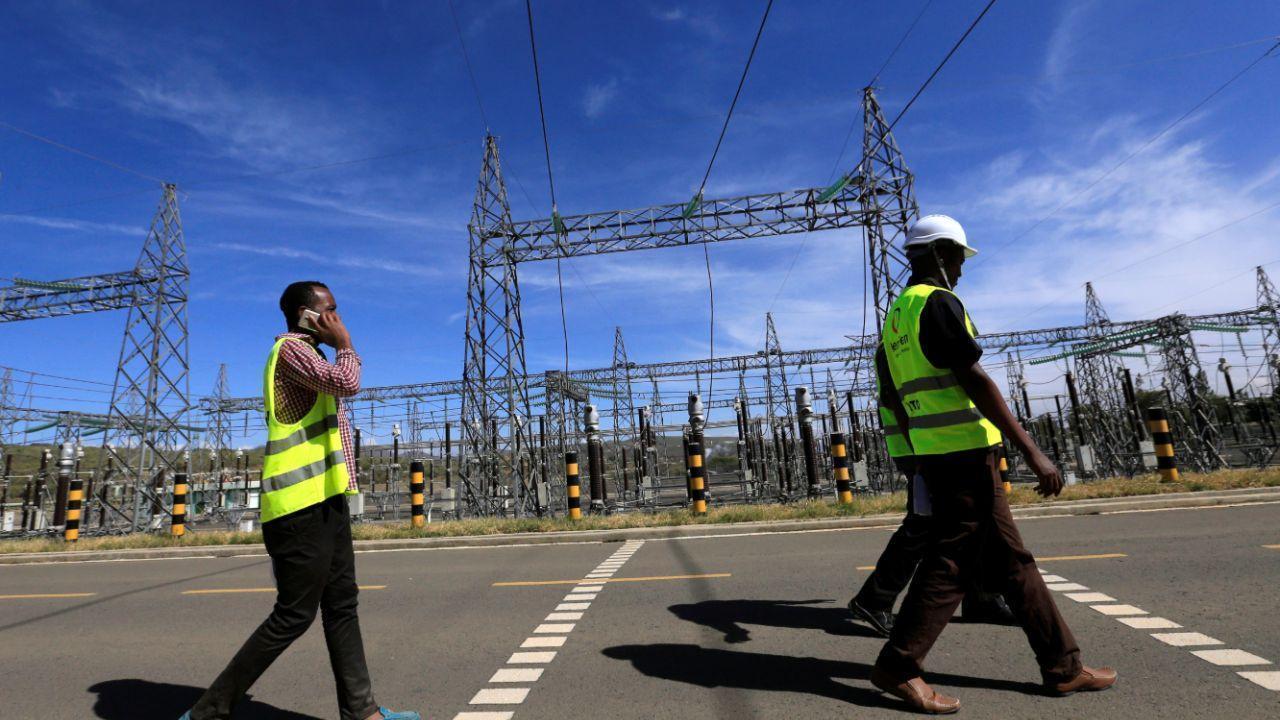
Photo:Reuters
Kenya is quietly building one of Africa’s most impressive clean energy stories. In an era where the world is moving away from fossil fuels, the East African nation is placing its bet on geothermal energy — a natural, reliable, and renewable source of power. Now, with a bold plan to generate 50% of its electricity from geothermal sources, Kenya is setting a new standard not just for the region but for developing nations around the globe.
What is Geothermal Energy?
To understand the scale of Kenya’s ambition, we must first understand what geothermal energy is. This form of energy comes from heat stored beneath the Earth’s surface. Through advanced drilling and steam-based turbines, this heat is converted into electricity. It’s clean, continuous, and sustainable — unlike solar and wind energy, geothermal power is available day and night.
Kenya’s unique geology, especially in the Rift Valley region, makes it one of the most promising locations in the world for geothermal development.
Kenya’s Renewable Energy Journey So Far
Kenya is already a leader in renewable energy. As of 2025, nearly 90% of its electricity comes from clean sources, including hydropower, wind, and geothermal. Among these, geothermal stands out for its stability and year-round availability.
Currently, geothermal accounts for around 40% of Kenya’s electricity mix. The government's plan is to raise this share to 50% by 2030 — a goal that involves massive investment, infrastructure, and international cooperation.
Why Focus on Geothermal?
The decision to focus on geothermal energy is not accidental. It’s a result of both strategic thinking and geographical advantage. Here are some of the key reasons why geothermal is central to Kenya’s energy strategy:
Reliability: Unlike solar and wind, geothermal energy is not affected by weather. It runs 24/7.
Low Operating Cost: Once the plants are set up, running them is relatively cheap.
Reduced Carbon Emissions: Geothermal plants emit very little CO₂, making them ideal for climate goals.
Energy Security: It reduces Kenya’s reliance on imported oil or expensive diesel generators.
According to Davis Chirchir, Kenya’s Cabinet Secretary for Energy and Petroleum, geothermal energy is "the backbone of our future power supply." He emphasized that geothermal is “clean, stable, and scalable,” providing a perfect fit for Kenya’s long-term energy needs.
The Major Geothermal Sites in Kenya
Kenya’s geothermal resources are primarily found in the Great Rift Valley — a region stretching from Lake Turkana in the north to Lake Magadi in the south. Some of the major geothermal fields under development include:
Olkaria: The oldest and most developed site. Operated mainly by the Kenya Electricity Generating Company (KenGen), it hosts several power plants.
Menengai: Located near Nakuru, this site is being developed by both government and private partners.
Baringo-Silali Block: A relatively new and promising field expected to add significant capacity in the coming years.
Suswa and Longonot: Under exploration and seen as future contributors to the national grid.
The Olkaria geothermal complex alone contributes over 800 megawatts (MW) of power — making it one of the largest geothermal power production sites in Africa.
How Kenya Plans to Reach 50%
Reaching the target of 50% geothermal energy by 2030 is no small feat. Here is how Kenya plans to get there:
Expanding Current Plants: KenGen and other operators are upgrading and expanding existing facilities, particularly in Olkaria and Menengai.
Drilling New Wells: More than 150 new wells are planned across various geothermal fields.
Private Sector Involvement: The government is encouraging private investment through independent power producers (IPPs).
Foreign Investment and Aid: International banks and organizations, including the African Development Bank, World Bank, and the Green Climate Fund, are providing both technical assistance and funding.
Technology Transfer: Kenya is working with countries like Iceland and Japan to adopt the latest geothermal technologies.
Funding and Partnerships
Kenya’s geothermal vision is heavily supported by a mix of government funds, international donors, and private investors. Some of the major supporters include:
African Development Bank (AfDB): Has financed drilling and power plant construction.
Japan International Cooperation Agency (JICA): Provided equipment, expertise, and loans.
European Union (EU): Offers grants for capacity building and environmental protection.
Private Companies: Local and international IPPs are building plants under agreements with the Kenyan government.
These partnerships are crucial in helping Kenya avoid the financial burden of large-scale infrastructure while still moving forward at a steady pace.
Impact on the People of Kenya
The benefits of this geothermal expansion will be felt across all levels of Kenyan society.
1. Cheaper Electricity
Electricity prices in Kenya have historically been high, partly due to expensive diesel generation and a fragile grid. By using geothermal energy, which is cheaper to produce, electricity bills are expected to drop.
2. More Jobs
The geothermal sector is already creating thousands of jobs, from drilling engineers and construction workers to plant operators and scientists.
3. Better Rural Access
Rural electrification will improve significantly. As more power becomes available, even remote areas will gain access to reliable electricity, helping to boost education, healthcare, and small businesses.
4. Cleaner Air and Environment
Reduced use of fossil fuels means lower air pollution. This has direct health benefits, especially in urban areas.









DAE Achieves Remarkable Growth in Q1 2026 With Record Revenue
Dubai Aerospace Enterprise announces impressive financial results for Q1 2026, reflecting a surge in

Price Increase for Sony PS5 in Southeast Asia Effective May 1
Sony announces a price increase for the PS5 across Southeast Asia starting May 1, 2026, impacting ga

Potential ‘Super El Niño’ in 2026: Understanding the Climate Risks
Could a Super El Niño emerge in 2026? Discover its implications and potential global climate impacts

Global Energy Crisis Intensifies: Markets React to Oil Supply Challenges
Markets are on edge as oil disruptions escalate, influencing prices and economic stability. Explore

Must-See Tourist Spots in London You Can't Overlook
Explore London's essential attractions, from royal landmarks to vibrant markets, ensuring an unforge

Ultimate Guide to Snagging Cheap Flights in 2026
Unlock the secrets to booking affordable flights in 2026 with insightful tips and strategies tailore




