Post by : Priya
Photo : Reuters
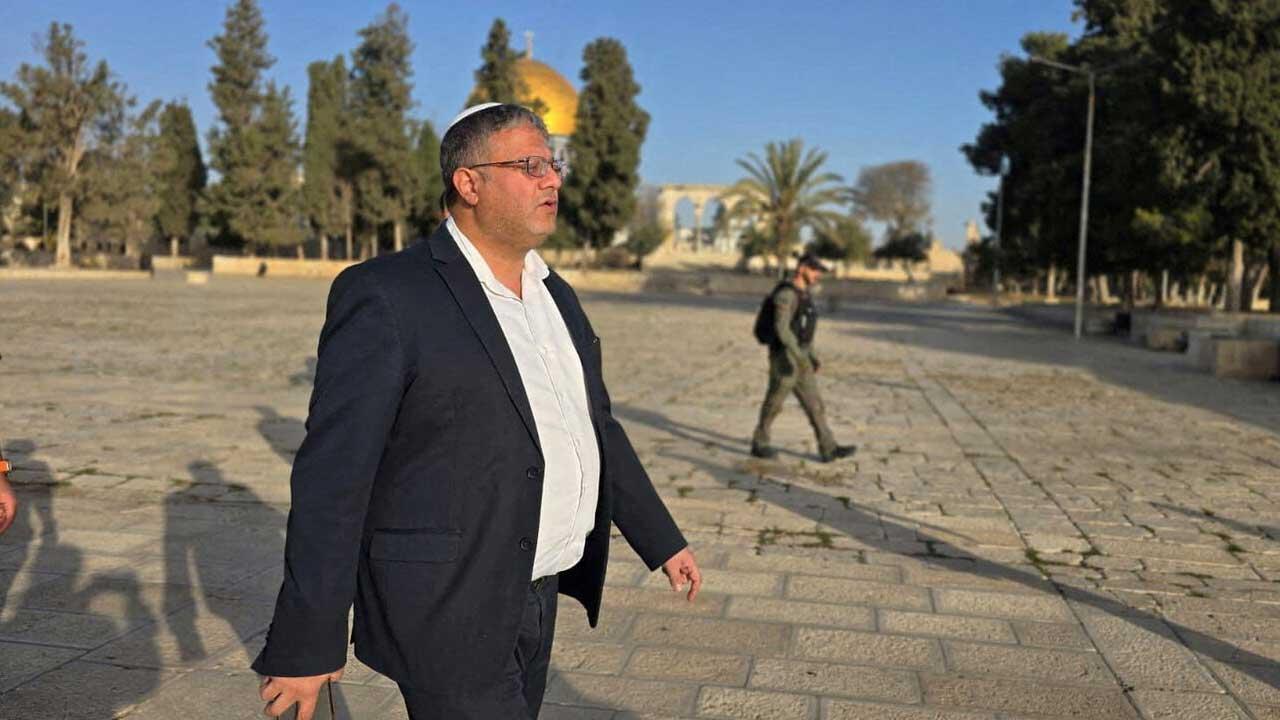
Israeli Minister Itamar Ben-Gvir publicly stated that he had visited and prayed at the Al-Aqsa Mosque compound in Jerusalem. This event is not merely a simple visit to a religious site, but one loaded with deep historical, religious, and political importance. For many, the Al-Aqsa Mosque is one of the most sacred places on earth. For others, it is a flashpoint of political tension and conflict. To fully grasp why Ben-Gvir’s visit matters worldwide, it is necessary to explore the history of Al-Aqsa, its multi-layered significance, the current political context, and the potential impact of such events on peace in the region.
The Historical and Religious Importance of Al-Aqsa Mosque
Al-Aqsa Mosque is often regarded as the third holiest site in Islam, after the Masjid al-Haram in Mecca and the Prophet’s Mosque in Medina. Situated in the Old City of Jerusalem on the Temple Mount—an area also known as Haram al-Sharif—it holds profound spiritual meaning for Muslims worldwide. According to Islamic tradition, the Prophet Muhammad was transported in a miraculous Night Journey (Isra and Mi’raj) from the Sacred Mosque in Mecca to the Al-Aqsa Mosque, before ascending to heaven. This event, deeply embedded in Islamic faith, makes it a pivotal location for Muslim worship and identity.
The compound itself is not just one mosque but includes several Islamic landmarks such as the Dome of the Rock, known for its distinctive golden dome. Al-Aqsa Mosque as it stands today traces its origins back to the early 8th century during the Umayyad Caliphate, specifically under Caliph Al-Walid I, with subsequent renovations by Abbasids, Fatimids, Ayyubids, Mamluks, Ottomans, and others over more than a millennium. It has witnessed prayers, conquests, destructions, and restorations, symbolizing the resilience of faith and community.
Besides its religious importance, the mosque complex has influenced Islamic culture, learning, and architecture throughout the centuries. It has been a center of Islamic scholarship and a symbol of Muslim unity and heritage.
Al-Aqsa’s Place in the Israeli-Palestinian Conflict
The Al-Aqsa Mosque’s significance extends beyond religion and history to the core of the Israeli-Palestinian conflict. The site is sacred not only to Muslims but also holds central religious importance to Jews, who identify the Temple Mount as the location of the ancient Jewish Temples. To both communities, this small area is a symbol of deep spiritual connection and national identity.
Since the establishment of the State of Israel and ongoing disputes over Jerusalem’s status, the Al-Aqsa compound has become a symbolic and political hotspot. Israeli control over the Old City and East Jerusalem since 1967, combined with Palestinian demands for sovereignty and access, creates a fragile and often tense situation. Israeli authorities allow the Islamic Waqf, a religious trust, to administer the site’s day-to-day affairs, but security and political control remain contentious issues. Any provocative acts or visits by prominent political figures can ignite tensions and provoke widespread reactions.
The Visit of Itamar Ben-Gvir: Context and Reactions
Itamar Ben-Gvir is a far-right Israeli minister known for his strong nationalist views. His decision to pray at Al-Aqsa Mosque compounds the event’s significance, given his political stance and the sensitivities surrounding the site. Ben-Gvir frames his visit as an act of respect and religious devotion. Yet, many Palestinians and Muslim leaders see it as a provocation that risks exacerbating already fragile tensions.
The responses to Ben-Gvir’s visit were predictably mixed. Supporters in Israel consider it a demonstration of sovereignty and the right of Israelis to visit religious sites in Jerusalem freely. Critics warn it could destabilize peace efforts and inflame passions on both sides. International observers, including governments and the United Nations, usually call for restraint and emphasize the importance of maintaining the status quo to prevent violence.
What Does This Mean for Peace and Stability?
The Al-Aqsa compound has witnessed several violent clashes over the years, often triggered by political or religious provocations. The sensitivity of this site means that the actions of political leaders here carry symbolic and practical consequences. A single visit can either signal peaceful coexistence or spark outrage and violence.
Ben-Gvir’s prayer at Al-Aqsa arrives at a delicate moment in the region’s political landscape. Amid ongoing efforts—although stalled—to revive Israeli-Palestinian peace talks and numerous flashpoints in the region, the possibility of escalating conflict remains real. The challenge lies in balancing religious freedoms and political realities without undermining peace and security.
The Broader Significance: Faith, Identity, and Conflict
The Al-Aqsa Mosque is far more than bricks and mortar; it embodies centuries of faith, identity, and struggle. It represents a shared human connection to spirituality but also a contested symbol of competing histories and claims. Understanding these layers is essential to making sense of why a political figure’s prayer there matters so much.
For many Muslims, the mosque is a source of pride, history, and identity. For Jews, the adjacent Temple Mount carries foundational religious significance. For Palestinians, control over Jerusalem and this site is linked to their aspirations for statehood and dignity. For Israelis and Jews, securing their capital and religious sites symbolizes national security and heritage.










Achieve Radiant Skin with This Simple Rice Flour Treatment
Transform your skincare routine! Discover how a rice flour mix can restore your skin's glow without

Meta Unveils Subscription Plans for Instagram, Facebook, and WhatsApp
Meta introduces new subscription plans for users of Instagram, Facebook, and WhatsApp, featuring enh

Suvarna Joy on Education Leadership, Resilience, and Building Purpose Through Adversity in the UAE
Suvarna Joy shares her journey of education leadership, motherhood, faith, and resilience within the

Anticipated Dates for UAE Eid Al Adha 2026 Unveiled by Astronomical Experts
Experts predict Eid Al Adha 2026 in the UAE to start on May 27, prompting early holiday planning amo

DAE Achieves Remarkable Growth in Q1 2026 With Record Revenue
Dubai Aerospace Enterprise announces impressive financial results for Q1 2026, reflecting a surge in

Price Increase for Sony PS5 in Southeast Asia Effective May 1
Sony announces a price increase for the PS5 across Southeast Asia starting May 1, 2026, impacting ga




