Post by : Shweta
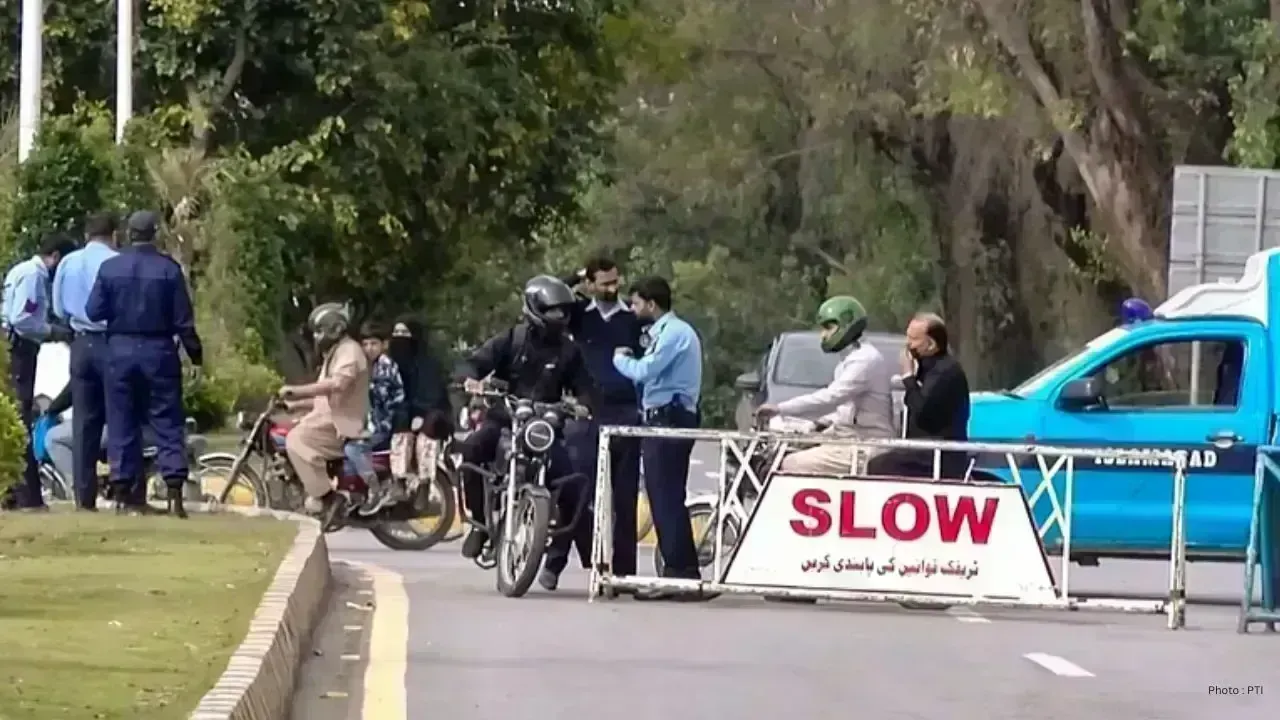
Islamabad is currently under significant lockdown due to ongoing uncertainties surrounding peace negotiations between the United States and Iran. Authorities have enforced strict security measures throughout the city, particularly in sensitive areas where diplomatic discussions are taking place.
Major routes leading into Islamabad have been closed off, while the Red Zone, which houses key governmental institutions and foreign embassies, is under heavy police surveillance. The adjacent Blue Area, a bustling commercial district, has been largely affected, with shops shuttered and public transport services temporarily discontinued. These restrictions have greatly inconvenienced local residents, hindering their mobility.
The increased security presence coincides with the arrival of Abbas Araghchi in the capital for high-level meetings with Pakistan's top brass. He was greeted by key officials such as Asim Munir, Ishaq Dar, and Interior Minister Mohsin Naqvi, indicating the importance of the talks aimed at revitalizing dialogue between Washington and Tehran.
Despite Araghchi's high-profile visit, no official word has emerged regarding direct negotiations between the US and Iran. Esmaeil Baqaei, spokesperson for Iran’s Foreign Ministry, confirmed that there are no formal discussions scheduled, stating that Iran will communicate its stance through Pakistan.
Conversely, reports from the White House suggest that US officials, including special envoy Steve Witkoff and advisor Jared Kushner, might travel to Pakistan for potential talks. However, the specifics of their visit remain unconfirmed, maintaining the prevailing uncertainty regarding the negotiations.
Pakistan continues to assert its role as a mediator between the two nations, with officials expressing optimism that persistent diplomatic efforts may pave the way for significant advancements toward peace in the region. It's reported that a US logistics and security team is already in Islamabad, poised for possible discussions.
These unfolding events follow a prior discussion round held on April 11–12, which did not yield any significant outcomes. The overarching conflict traces back to military actions involving the United States and Israel on February 28, which escalated regional tensions. A temporary ceasefire was established, recently extended to facilitate continued diplomacy.
In summary, while Islamabad stands at the crossroads of these critical negotiations, the outcome remains unclear. The ongoing situation illustrates the intricacies of the conflict and the hurdles faced in reaching a durable diplomatic resolution.







Global Energy Crisis Intensifies: Markets React to Oil Supply Challenges
Markets are on edge as oil disruptions escalate, influencing prices and economic stability. Explore

Must-See Tourist Spots in London You Can't Overlook
Explore London's essential attractions, from royal landmarks to vibrant markets, ensuring an unforge

Ultimate Guide to Snagging Cheap Flights in 2026
Unlock the secrets to booking affordable flights in 2026 with insightful tips and strategies tailore

The Impact of Consistent Small Investments on Wealth Building
Discover how investing small amounts regularly can positively transform your financial future over t

7.5 Magnitude Earthquake Strikes Japan, Tsunami Alerts Issued
Japan experiences a hefty 7.5 quake, prompting tsunami alerts and safety measures. Stay updated on a
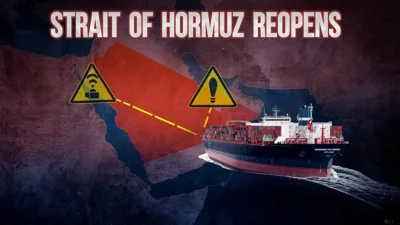
Reopening of the Strait of Hormuz: New Regulations to Impact Global Trade
Iran reopens the strategic Strait of Hormuz with new regulations affecting oil transport and global