Post by : Saif Nasser
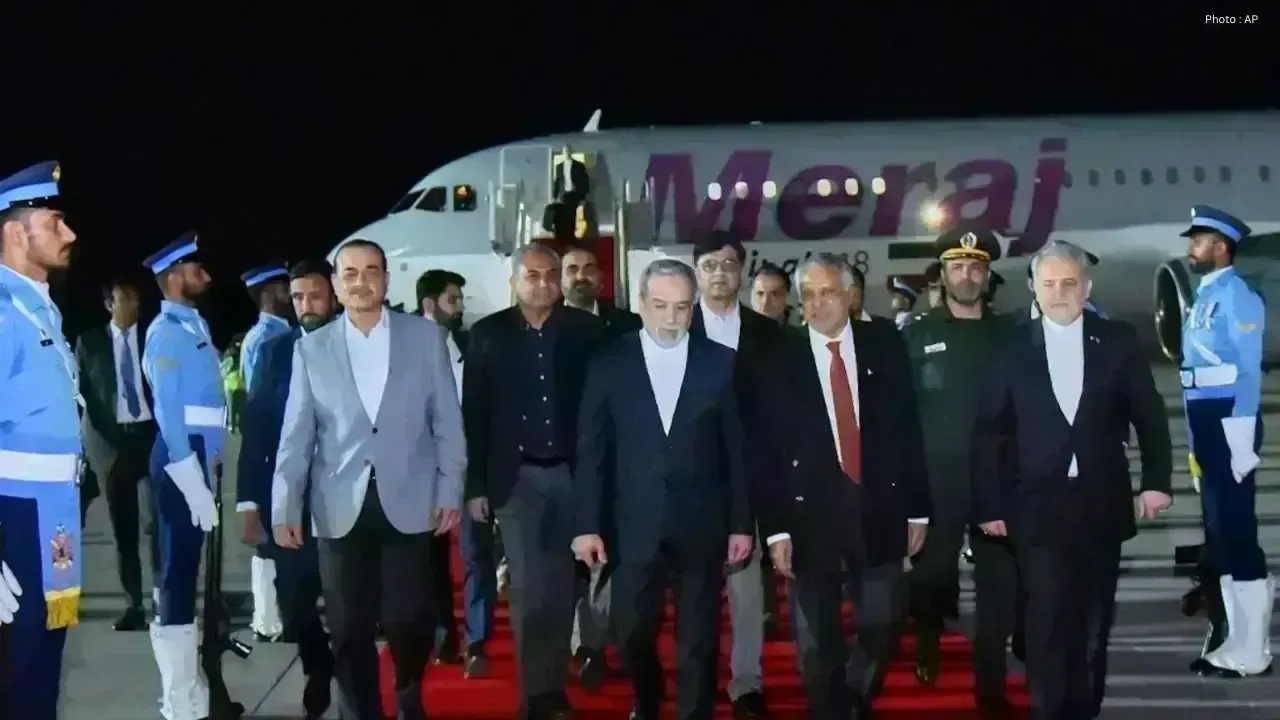
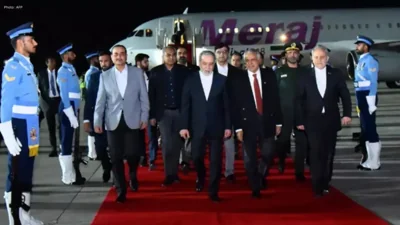
The ongoing crisis involving Iran, the United States, and several regional players has reached a critical stage. Diplomacy is active, but the risk of renewed conflict remains high. Iran’s foreign minister, Abbas Araghchi, has arrived in Pakistan for talks that could influence the next phase of this crisis. At the same time, Donald Trump has signaled that he expects Iran to present an offer that meets US expectations.
This situation reflects a mix of pressure and negotiation. A ceasefire is currently in place, but it is fragile. There is still deep mistrust between the sides, and even a small incident could lead to fresh clashes. Both Iran and the United States appear to be testing each other’s positions while keeping options open.
One of the most sensitive points in this crisis is the Strait of Hormuz. This narrow water route is vital for global oil transport. Any disruption here can quickly affect fuel prices and global trade. During the conflict, threats to shipping routes have raised concerns across many countries, especially those that depend on energy imports.
The United States has maintained strong pressure on Iran through military presence and economic restrictions. The goal is to push Iran toward a broader agreement that addresses nuclear concerns, regional influence, and security risks. However, Iran has refused to enter direct talks with the US at this stage. Instead, it is relying on indirect communication, with Pakistan acting as a mediator.
Pakistan’s involvement has added an important layer to the situation. As a country that maintains relations with both Iran and the United States, it is in a unique position to reduce tensions. By hosting discussions and helping pass messages, Pakistan is trying to prevent the crisis from growing into a larger conflict. This also highlights its growing role in regional diplomacy.
The situation is further complicated by the involvement of Israel and the activities of groups like Hezbollah. Tensions in Lebanon and nearby areas are closely linked to the broader conflict. This means that any development in one area can quickly affect the overall situation.
Beyond politics and military strategy, the crisis has real effects on people’s lives. Rising oil prices increase the cost of living in many countries. Trade disruptions create economic stress, and ongoing tensions bring fear and uncertainty to the region. These impacts are being felt far beyond the Middle East.
At the center of the issue is a difficult balance. The United States wants a strong deal that limits Iran’s activities, while Iran seeks relief from sanctions without appearing to give in. Both sides are cautious, and neither wants to take the first step without clear gains.
The coming days will be important for diplomacy. If Iran presents a proposal that aligns with US expectations, it could open the door to deeper negotiations. If not, the current pause in conflict may not last long.
Pakistan’s role will remain key as long as indirect talks continue. Its ability to maintain trust with both sides could help keep communication open. The situation remains uncertain, but active dialogue offers at least some space to avoid further escalation.



Global Energy Crisis Intensifies: Markets React to Oil Supply Challenges
Markets are on edge as oil disruptions escalate, influencing prices and economic stability. Explore

Must-See Tourist Spots in London You Can't Overlook
Explore London's essential attractions, from royal landmarks to vibrant markets, ensuring an unforge

Ultimate Guide to Snagging Cheap Flights in 2026
Unlock the secrets to booking affordable flights in 2026 with insightful tips and strategies tailore

The Impact of Consistent Small Investments on Wealth Building
Discover how investing small amounts regularly can positively transform your financial future over t

7.5 Magnitude Earthquake Strikes Japan, Tsunami Alerts Issued
Japan experiences a hefty 7.5 quake, prompting tsunami alerts and safety measures. Stay updated on a
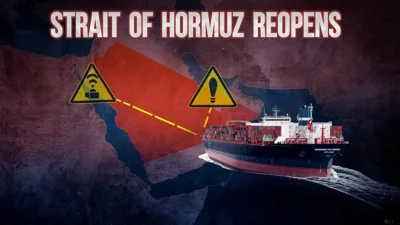
Reopening of the Strait of Hormuz: New Regulations to Impact Global Trade
Iran reopens the strategic Strait of Hormuz with new regulations affecting oil transport and global