Post by : Saif Nasser
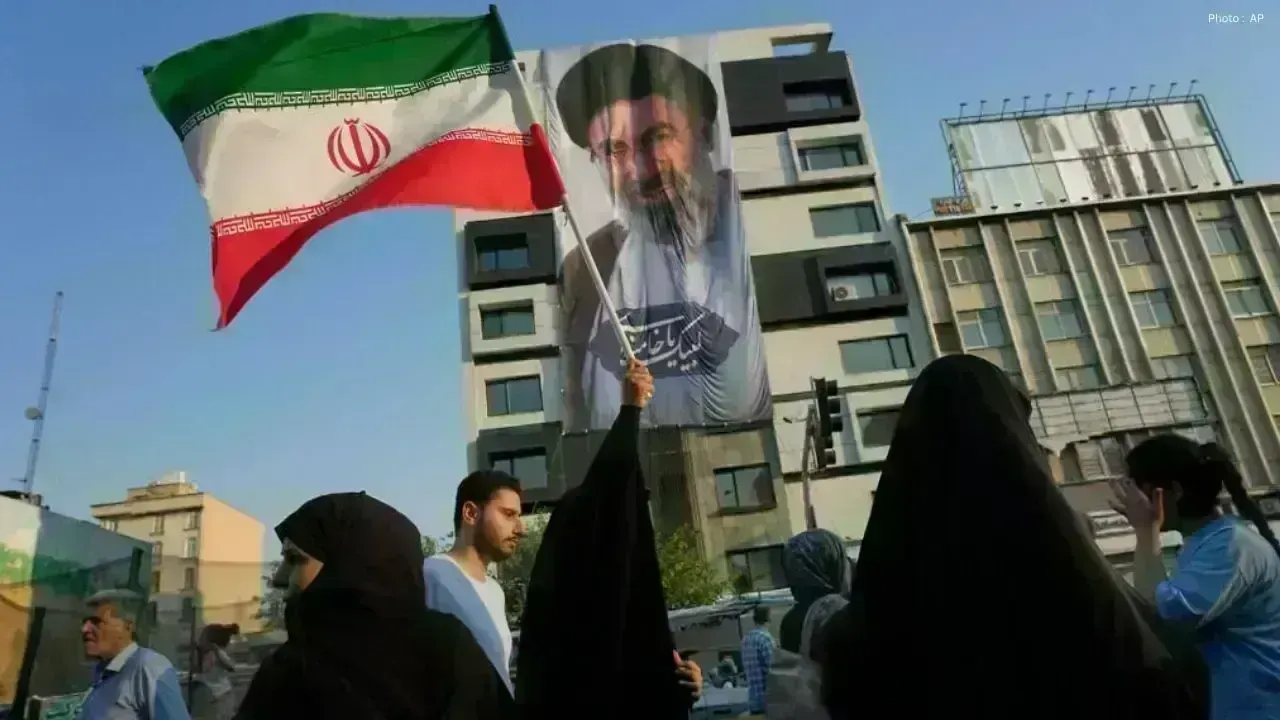
Iran's missile launches toward Kuwait and Bahrain have intensified concerns about security across the Gulf, creating fresh uncertainty in a region already facing rising geopolitical tensions. The latest military exchange followed US action against Iranian radar facilities and has renewed fears that the confrontation between Tehran and Washington could spread beyond its current scope.
The incident marks another chapter in the ongoing struggle for influence and security in the Middle East. Military activity involving major regional powers often attracts global attention because of the Gulf's strategic importance to international trade, energy supplies, and transportation routes. Any escalation in this area can have consequences that extend far beyond the countries directly involved.
According to reports, the missile launches came after American forces targeted radar installations linked to Iran's coastal defense network. The strikes were reportedly carried out following security concerns in waters near the Strait of Hormuz, one of the world's most important maritime passages. The waterway serves as a critical route for oil and gas shipments, making stability in the area essential for global markets.
Iran viewed the military action as a direct challenge and responded with missile launches aimed toward locations connected to Kuwait and Bahrain. Regional defense systems were activated, and security agencies immediately moved to monitor the situation. Authorities worked to ensure public safety while assessing potential threats to military and civilian infrastructure.
Although the immediate impact appeared limited, the event highlighted the growing risks associated with military confrontations in the Gulf. Modern conflicts can escalate quickly, especially when multiple countries and strategic interests are involved. Even incidents that result in minimal physical damage can significantly increase political tensions and diplomatic strain.
Kuwait and Bahrain occupy important positions within the region's security framework. Both countries host key military facilities and maintain strong relationships with international partners. As a result, any threat directed toward their territory attracts attention from governments around the world and raises concerns about the possibility of broader instability.
The situation also underscores the importance of the Strait of Hormuz in global commerce. Millions of barrels of oil pass through this route every day, connecting producers in the Middle East with consumers across Asia, Europe, and other parts of the world. Investors and energy companies closely watch developments in the Gulf because disruptions can influence fuel prices and affect economic activity worldwide.
Regional leaders now face the difficult task of preventing further escalation while maintaining national security. Many governments in the Gulf have repeatedly emphasized the importance of dialogue and peaceful solutions to disputes. Stability remains a top priority because economic growth, tourism, trade, and foreign investment all depend on a secure environment.
Security experts often warn that cycles of retaliation can create long-term challenges. One military action may trigger a response, which then leads to another countermeasure. Without effective communication and diplomatic engagement, such situations can become increasingly difficult to control. This is why international observers frequently encourage restraint during periods of heightened tension.
The latest developments have also drawn attention to the broader geopolitical rivalry shaping the Middle East. Strategic competition, military alliances, and security concerns continue to influence decisions made by governments across the region. As a result, even localized incidents can quickly become matters of international importance.
For ordinary citizens, rising tensions often bring uncertainty. Concerns about safety, travel, business activity, and economic stability can affect daily life. Communities across the Gulf hope that leaders will take steps to avoid further confrontation and reduce the risk of a larger crisis.
The international community is expected to continue urging all sides to pursue diplomatic solutions. While military responses may address immediate security concerns, long-term stability usually depends on communication, negotiation, and efforts to reduce misunderstandings between rival powers.
Iran's missile launches toward Kuwait and Bahrain serve as a reminder of how fragile regional security can be. Although the situation has not developed into a wider conflict, the incident highlights the importance of restraint and diplomacy in preventing further escalation. The coming weeks will be closely watched as governments assess their next steps and seek ways to preserve stability across the Gulf.






Achieve Radiant Skin with This Simple Rice Flour Treatment
Transform your skincare routine! Discover how a rice flour mix can restore your skin's glow without

Meta Unveils Subscription Plans for Instagram, Facebook, and WhatsApp
Meta introduces new subscription plans for users of Instagram, Facebook, and WhatsApp, featuring enh

Suvarna Joy on Education Leadership, Resilience, and Building Purpose Through Adversity in the UAE
Suvarna Joy shares her journey of education leadership, motherhood, faith, and resilience within the

Anticipated Dates for UAE Eid Al Adha 2026 Unveiled by Astronomical Experts
Experts predict Eid Al Adha 2026 in the UAE to start on May 27, prompting early holiday planning amo

DAE Achieves Remarkable Growth in Q1 2026 With Record Revenue
Dubai Aerospace Enterprise announces impressive financial results for Q1 2026, reflecting a surge in

Price Increase for Sony PS5 in Southeast Asia Effective May 1
Sony announces a price increase for the PS5 across Southeast Asia starting May 1, 2026, impacting ga




