Post by : Saif Nasser
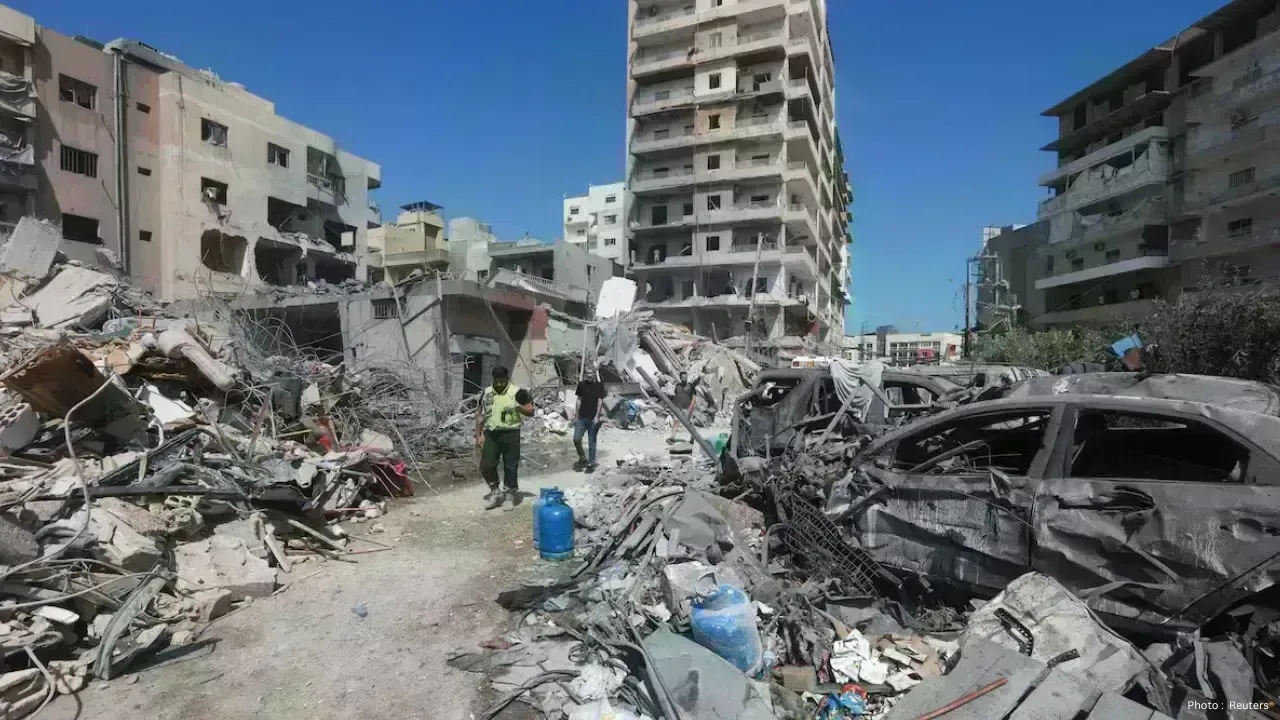
Military exchanges involving Iran and the United States continue to challenge efforts aimed at reducing tensions in the Middle East. Despite months of diplomatic discussions, disagreements over security concerns, sanctions, and regional influence have prevented meaningful progress. Continued attacks and military responses have increased uncertainty across the region and raised concerns about the possibility of a wider confrontation.
The current situation highlights the difficulty of balancing diplomacy with ongoing conflict. While officials from both sides have spoken about the importance of negotiations, developments on the ground suggest that a lasting agreement remains difficult to achieve. Reports indicate that missile and drone attacks have targeted areas linked to American military operations in the Gulf region. In response, U.S. forces carried out strikes against Iranian positions near strategic waterways. These incidents have reinforced concerns that military actions could overshadow diplomatic efforts.
At the center of the dispute is the long-running disagreement over Iran’s nuclear program. Washington continues to seek stronger assurances regarding nuclear activities, while Tehran argues that its program is intended for peaceful purposes and insists that economic restrictions should be eased. The gap between these positions has become one of the main reasons negotiations have struggled to move forward.
The conflict has also expanded beyond traditional political disagreements. Security concerns now involve shipping routes, regional alliances, military operations, and economic interests. As a result, the effects are being felt not only by the countries directly involved but also by neighboring nations and global markets.
One of the most significant consequences of the crisis is the pressure on energy supplies. The Strait of Hormuz remains one of the world's most important maritime routes for oil and natural gas transportation. Any disruption in this area quickly attracts international attention because a large share of global energy shipments passes through these waters. Concerns about security have already affected shipping activity and contributed to fluctuations in oil prices.
Higher energy costs can have far-reaching effects on economies around the world. Businesses face increased transportation and production expenses, while consumers often experience higher prices for goods and services. Even countries far from the Middle East may feel the economic impact if instability continues for an extended period.
Beyond economics, the humanitarian cost remains a major concern. Military operations and regional violence have displaced thousands of people and created additional hardships for families living in affected areas. Communities already facing economic difficulties now find themselves dealing with uncertainty, insecurity, and limited access to essential resources. Humanitarian organizations continue to warn about the growing needs of civilians caught in the middle of the conflict.
Another challenge is the declining level of trust between the opposing sides. Successful negotiations depend on confidence that agreements will be respected and implemented. However, each new military incident makes it harder to build that confidence. Diplomatic progress becomes increasingly difficult when both parties remain focused on immediate security concerns rather than long-term solutions.
From an editorial perspective, the greatest risk is not simply the continuation of current hostilities but the possibility of a prolonged stalemate. A situation where neither side achieves its objectives while violence continues can create long-term instability. Such an outcome would increase economic pressure, deepen humanitarian challenges, and make future negotiations even more complicated.
History has repeatedly shown that military action alone rarely delivers lasting peace. Sustainable solutions generally emerge through dialogue, compromise, and a willingness to address underlying concerns. While diplomatic discussions often move slowly, they remain the most practical path toward reducing tensions and preventing further escalation.
International actors also have an important role to play. Regional governments, global organizations, and major world powers can help encourage meaningful negotiations and support efforts aimed at reducing conflict. Cooperation among these stakeholders may be essential for creating conditions that allow diplomacy to succeed.
The Middle East remains one of the most strategically important regions in the world, making stability a matter of global concern. Continued confrontation threatens not only regional security but also international trade, energy markets, and economic growth. The consequences of prolonged instability would likely extend far beyond the countries directly involved.
The coming months may determine whether diplomacy can regain momentum or whether military exchanges will continue to dominate the situation. Although the path to a settlement remains difficult, meaningful dialogue offers the best opportunity to reduce tensions and prevent a broader crisis. A peaceful resolution may not come quickly, but sustained diplomatic engagement remains the strongest hope for long-term stability and security.






Achieve Radiant Skin with This Simple Rice Flour Treatment
Transform your skincare routine! Discover how a rice flour mix can restore your skin's glow without

Meta Unveils Subscription Plans for Instagram, Facebook, and WhatsApp
Meta introduces new subscription plans for users of Instagram, Facebook, and WhatsApp, featuring enh

Suvarna Joy on Education Leadership, Resilience, and Building Purpose Through Adversity in the UAE
Suvarna Joy shares her journey of education leadership, motherhood, faith, and resilience within the

Anticipated Dates for UAE Eid Al Adha 2026 Unveiled by Astronomical Experts
Experts predict Eid Al Adha 2026 in the UAE to start on May 27, prompting early holiday planning amo

DAE Achieves Remarkable Growth in Q1 2026 With Record Revenue
Dubai Aerospace Enterprise announces impressive financial results for Q1 2026, reflecting a surge in

Price Increase for Sony PS5 in Southeast Asia Effective May 1
Sony announces a price increase for the PS5 across Southeast Asia starting May 1, 2026, impacting ga




