Post by : Saif Nasser
war involving Iran has started creating major financial problems for companies around the world. Rising oil prices, disrupted shipping routes, and unstable markets have already caused global businesses to lose more than $25 billion, according to recent estimates.
Many industries are now facing increasing pressure because of the conflict. Airlines, shipping companies, manufacturers, and retail businesses are among the worst affected sectors. Companies are spending more money on fuel, transportation, insurance, and supply chain management as tensions in the Middle East continue to rise.
One of the biggest concerns is the impact on global oil supplies. The Middle East remains one of the world’s most important energy-producing regions. Any military tension in the area quickly affects international oil markets because countries across the world depend heavily on Gulf oil exports.
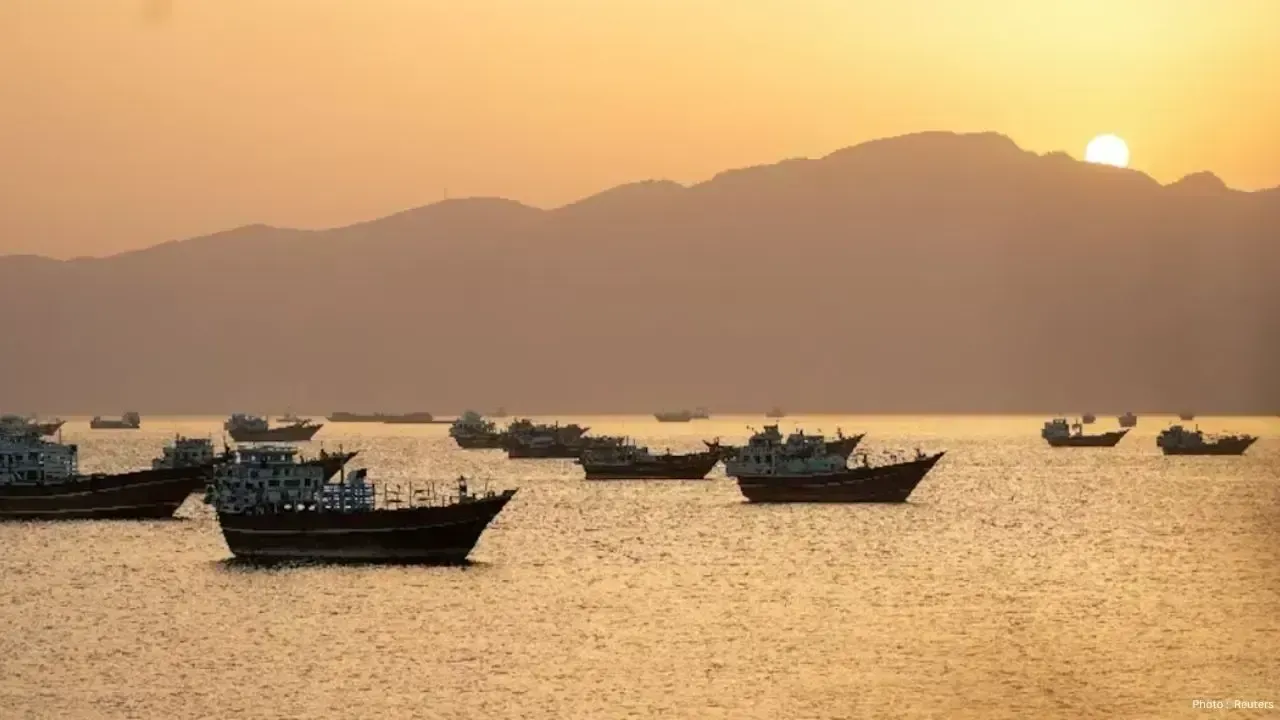
The Strait of Hormuz has become a major focus during the conflict. This narrow sea route carries a large share of the world’s oil shipments every day. Security threats and military activity near the area have increased fears of supply disruptions, pushing oil prices higher.
As crude oil prices rise, businesses are forced to pay more for transport and energy. Airlines are facing higher jet fuel costs, while shipping companies are dealing with expensive insurance and longer delivery routes. Several international firms have already warned investors about financial losses linked to the crisis.
Manufacturing companies are also struggling because many factories depend on imported fuel and raw materials connected to Gulf markets. Delays in shipments and rising costs are affecting production schedules in different countries.
The financial pressure is not limited to large corporations. Ordinary people are also feeling the impact through rising fuel prices, expensive transportation, and higher costs for daily products. Inflation worries have increased in many countries as businesses pass additional expenses to consumers.
Global stock markets have also reacted nervously to the situation. Investors remain concerned that a longer conflict could slow economic growth and create further instability in international trade.
Experts warn that the economic damage could become even more serious if tensions continue for a longer period. Companies may be forced to cut spending, delay expansion plans, or increase prices further to manage growing costs.
The crisis once again shows how closely the global economy is connected to events in the Middle East. A conflict in one region can quickly affect businesses, markets, and consumers around the world.
Many world leaders continue calling for diplomacy and peaceful talks to prevent further escalation. Businesses and investors are now watching developments closely, hoping stability returns before economic losses grow even larger.







Anticipated Dates for UAE Eid Al Adha 2026 Unveiled by Astronomical Experts
Experts predict Eid Al Adha 2026 in the UAE to start on May 27, prompting early holiday planning amo

DAE Achieves Remarkable Growth in Q1 2026 With Record Revenue
Dubai Aerospace Enterprise announces impressive financial results for Q1 2026, reflecting a surge in

Price Increase for Sony PS5 in Southeast Asia Effective May 1
Sony announces a price increase for the PS5 across Southeast Asia starting May 1, 2026, impacting ga

Potential ‘Super El Niño’ in 2026: Understanding the Climate Risks
Could a Super El Niño emerge in 2026? Discover its implications and potential global climate impacts

Global Energy Crisis Intensifies: Markets React to Oil Supply Challenges
Markets are on edge as oil disruptions escalate, influencing prices and economic stability. Explore

Must-See Tourist Spots in London You Can't Overlook
Explore London's essential attractions, from royal landmarks to vibrant markets, ensuring an unforge




