Post by : Raina Nasser
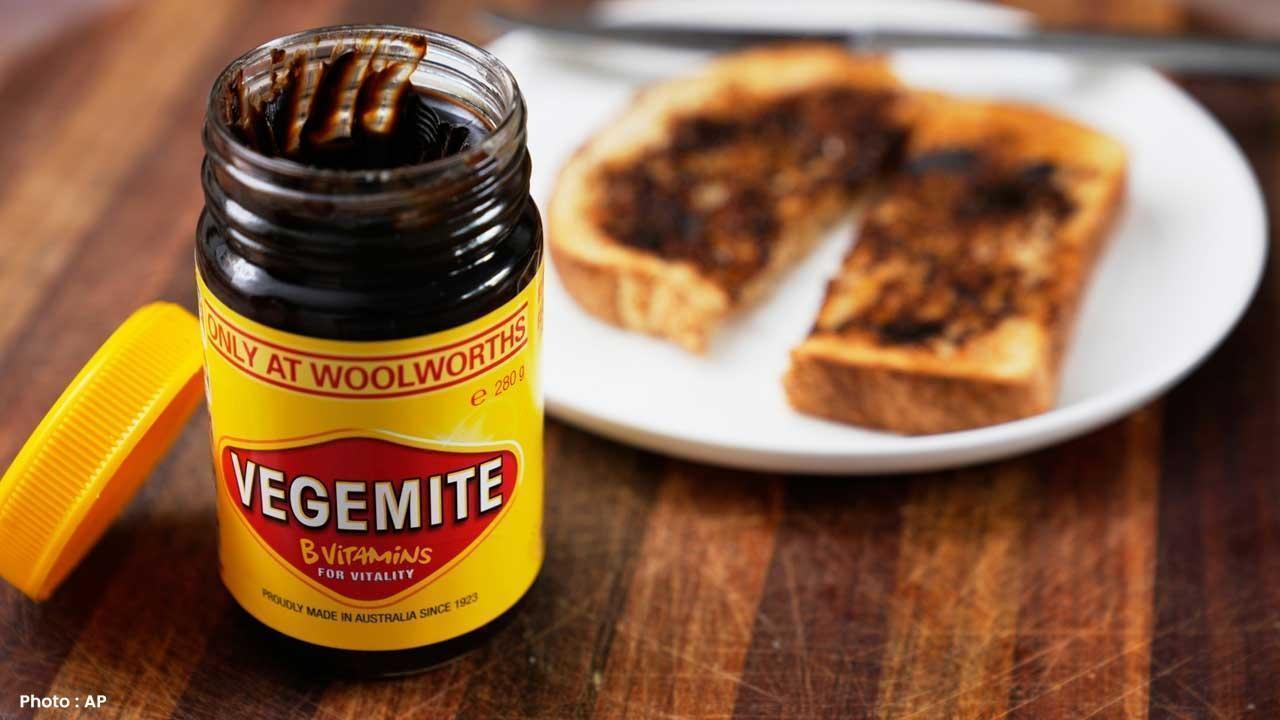
In a unique legal battle, Australia’s iconic breakfast spread Vegemite is at the forefront, as a life-sentenced inmate fights against a long-standing prohibition in Victoria’s prisons. The inmate contends that the ban on his favorite condiment infringes on a fundamental cultural right, turning the spotlight on issues of identity, prison regulations, and Australian heritage.
Andre McKechnie, who was convicted in the 1990s for murder, now 54, asserts his rights following his transfer to Victoria, where the Vegemite ban has been active since 2006. Prison officials argue that the strong odor of the spread could potentially conceal contraband or facilitate alcohol fermentation, justifying their restrictions.
Contradicting their stance, McKechnie has initiated a lawsuit against the Ministry of Justice and Corrections in Victoria, stating that the ban prevents him from fully experiencing his culture as an Australian. He also claims that the prison food provided is inadequate for his health.
The trial is anticipated next year, already fueling widespread public discourse. For many citizens, Vegemite embodies much more than mere food; it is a reflection of national identity, nostalgia, and daily life. Originating in Melbourne in 1923 as an alternative to Marmite, Vegemite has evolved into a cultural emblem known for its distinctive and divisive taste. In 2022, the aroma from a local Vegemite facility was even deemed a key aspect of Melbourne’s cultural heritage.
Authorities remain cautious, citing that its robust scent can be exploited in ways that threaten safety for inmates and control in the facility. Such concerns have led to similar restrictions in various Australian prisons historically.
Vegemite's contentious nature stretches beyond the prison walls. It has appeared in Sweden’s Disgusting Food Museum alongside items like stinky tofu and monkey brains. Earlier this year, it even led to a diplomatic spat when a Canadian café was compelled to take Vegemite jars off its shelves due to local regulations, prompting Prime Minister Anthony Albanese to label the ban as “rather odd” and advocate for Vegemite over its rival, Marmite—a restriction later revoked.
McKechnie’s situation adds another layer to Vegemite’s storied past. Beyond the legal implications, it raises significant discussions regarding cultural expression in prisons, the necessity for reform, and the extent to which authorities should restrict culturally significant items.
As the trial date nears, opinions remain divided on the matter. Proponents of McKechnie's stance uphold that Vegemite is merely a benign representation of Australian culture, whereas opponents assert that the ban is justified in maintaining safety within prison walls. One thing remains evident: few things induce passion among Australians like a humble jar of Vegemite—even in unexpected scenarios.










DAE Achieves Remarkable Growth in Q1 2026 With Record Revenue
Dubai Aerospace Enterprise announces impressive financial results for Q1 2026, reflecting a surge in

Price Increase for Sony PS5 in Southeast Asia Effective May 1
Sony announces a price increase for the PS5 across Southeast Asia starting May 1, 2026, impacting ga

Potential ‘Super El Niño’ in 2026: Understanding the Climate Risks
Could a Super El Niño emerge in 2026? Discover its implications and potential global climate impacts

Global Energy Crisis Intensifies: Markets React to Oil Supply Challenges
Markets are on edge as oil disruptions escalate, influencing prices and economic stability. Explore

Must-See Tourist Spots in London You Can't Overlook
Explore London's essential attractions, from royal landmarks to vibrant markets, ensuring an unforge

Ultimate Guide to Snagging Cheap Flights in 2026
Unlock the secrets to booking affordable flights in 2026 with insightful tips and strategies tailore




