Post by : Shweta
The recent revision of U.S. tariff regulations is posing significant challenges for Canadian manufacturers of tools and moulds. Industry leaders are sounding the alarm over the financial repercussions of this new policy. The updated tariffs apply to the entire value of imported metal goods, substantially elevating costs for businesses engaged in cross-border trade.
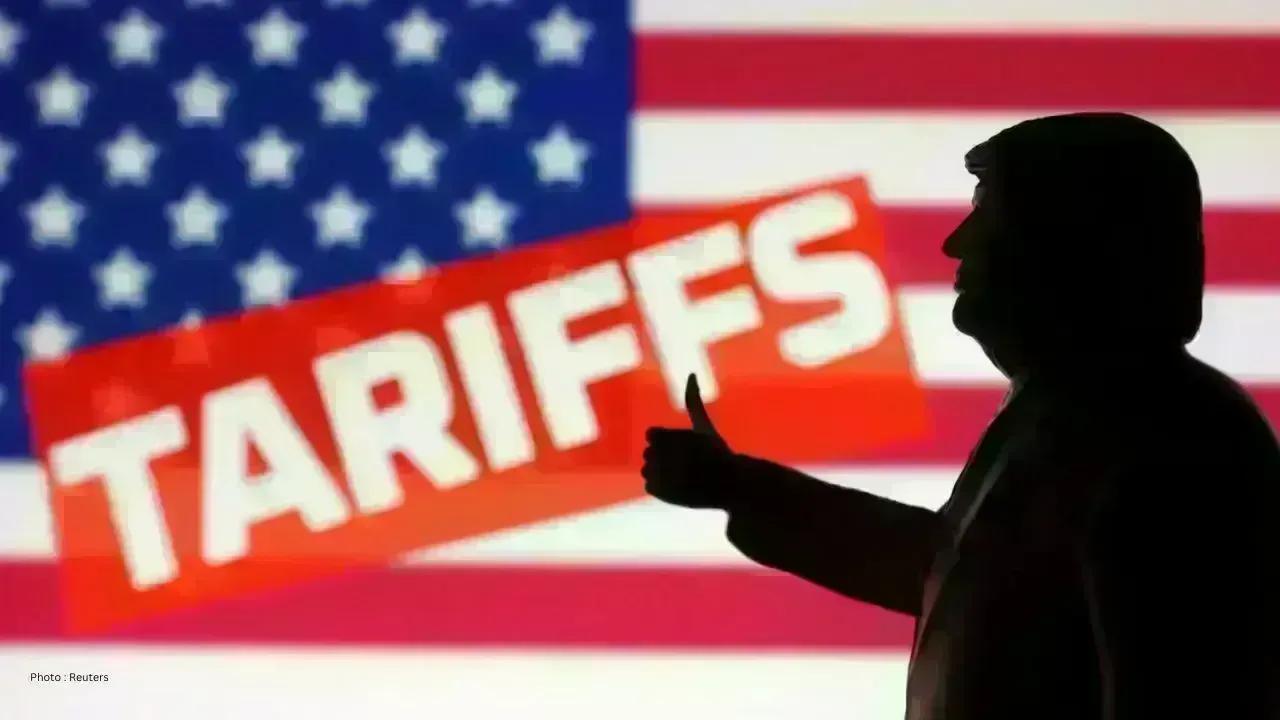
Introduced by the Trump administration through Section 232 of the U.S. Trade Expansion Act, these tariffs target imports of steel, aluminum, and copper. Unlike previous tariffs, which were levied only on the metal portion of goods, this alteration now taxes the full declared value of the product, leading to potential tariffs as high as 50 percent for certain items.
The ramifications of this modification are particularly severe for Canada’s manufacturing landscape, most notably in areas such as Windsor, Ontario, where many firms are interconnected with U.S. supply chains. Frequent cross-border product movement means that the new tariffs can be applicable multiple times throughout production processes.
Jonathon Azzopardi, president of Laval Tool & Mould Ltd., indicated that the alterations could result in annual expenses running into millions. He characterized the tariffs as a significant setback for Canada’s supply chain, suggesting that some companies might be compelled to shift operations to the U.S. for competitive reasons.
Industry stakeholders express that the tariff updates were unexpected, catching many businesses off guard. The Canadian Association of Mold Makers has reported that the abrupt rise in tariffs is generating instability, particularly for companies that had already settled production schedules and contracts before the announcement.
The economic implications are steep. As estimates suggest, a mould that previously incurred a tariff of approximately $1,500 may now face charges exceeding $30,000. For small to mid-sized firms functioning with slim profit margins, these surges could jeopardize their existence.
Experts point to the intimately linked nature of North American manufacturing. Companies in both Canada and the U.S. often rely on one another, making such disruptions particularly damaging. Industry leaders caution that enduring tariffs could enable foreign competitors to capitalize on the situation and gain market access.
The matter has gained political traction in Canada, with lawmakers advocating for prompt discussions and potential aid measures to support the affected industries. There are optimistic anticipations that upcoming trade negotiations under regional agreements might mitigate the changes and lessen their adverse effects.
As the scenario unfolds, companies in the sector are striving to adapt while maintaining production levels. However, many contend that the long-term outlook remains ambiguous unless policy reforms or financial aid are enacted.










Price Increase for Sony PS5 in Southeast Asia Effective May 1
Sony announces a price increase for the PS5 across Southeast Asia starting May 1, 2026, impacting ga

Potential ‘Super El Niño’ in 2026: Understanding the Climate Risks
Could a Super El Niño emerge in 2026? Discover its implications and potential global climate impacts

Global Energy Crisis Intensifies: Markets React to Oil Supply Challenges
Markets are on edge as oil disruptions escalate, influencing prices and economic stability. Explore

Must-See Tourist Spots in London You Can't Overlook
Explore London's essential attractions, from royal landmarks to vibrant markets, ensuring an unforge

Ultimate Guide to Snagging Cheap Flights in 2026
Unlock the secrets to booking affordable flights in 2026 with insightful tips and strategies tailore

The Impact of Consistent Small Investments on Wealth Building
Discover how investing small amounts regularly can positively transform your financial future over t




