Post by : Saif Nasser
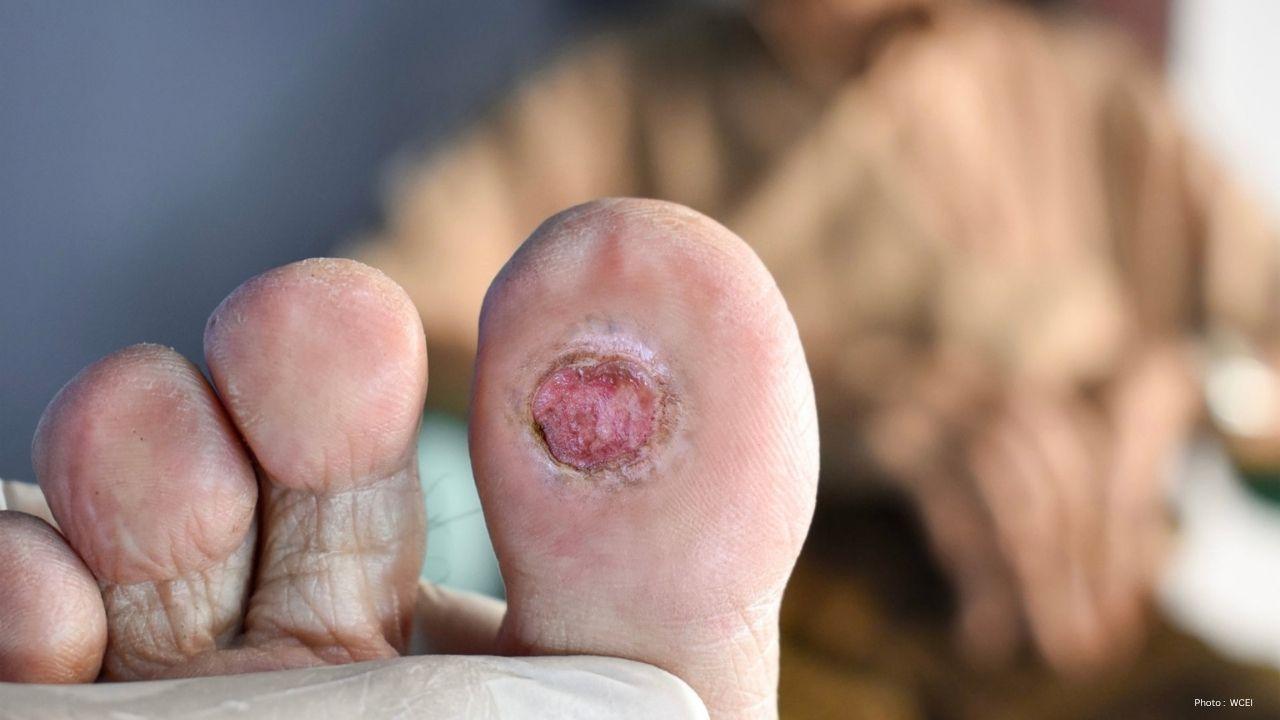
Doctors around the world are warning that high blood sugar levels can quietly and slowly damage a person’s feet, often leading to serious wounds called diabetic foot ulcers. These ulcers, which start as small cuts or blisters, can turn into severe infections and sometimes even lead to leg amputation if left untreated. Medical experts say that many people living with diabetes are unaware of how dangerous foot injuries can become when blood sugar remains uncontrolled.
Diabetic foot problems develop over time. When blood sugar stays high for months or years, it begins to harm the tiny blood vessels and nerves in the body. The nerves in the feet are often the first to be affected, causing a condition known as diabetic neuropathy. This condition reduces the ability to feel pain, heat, or injuries in the feet. As a result, a person may get a small cut or blister and not even notice it. Because blood circulation is also weaker in people with diabetes, that small wound does not heal properly and slowly becomes infected.
Doctors say that this combination of poor feeling and weak blood flow makes the feet one of the most vulnerable parts of the body for people with diabetes. Once an ulcer develops, bacteria can spread deep into the skin and even reach the bones. In some cases, antibiotics are not enough to stop the infection, and surgery becomes necessary to remove the damaged tissue. If the infection spreads too far, doctors may have to amputate the affected part of the foot or leg to save the patient’s life.
According to the World Health Organization, more than 420 million people across the world live with diabetes, and at least 15 percent of them are likely to develop a foot ulcer during their lifetime. Health experts say these ulcers are one of the main causes of hospital admission among diabetic patients. In many low and middle-income countries, poor access to medical care makes the situation even worse, and many people lose their limbs due to late diagnosis.
Medical researchers explain that the early signs of diabetic foot problems are often ignored. People may notice tingling, burning, or numbness in their toes and soles, but they do not take it seriously. Some experience cracked skin, dry heels, or discolored nails. When a sore or blister appears, they may try to treat it at home, not realizing that infection can spread quickly. Doctors emphasize that any wound or swelling in the feet of a diabetic patient must be checked by a healthcare professional immediately.
Experts say that prevention is the most powerful way to stop diabetic foot ulcers. People with diabetes should check their feet daily for cuts, swelling, redness, or changes in skin color. Washing the feet with mild soap, drying them properly, and applying moisturizer to prevent dryness are simple steps that can make a big difference. Wearing clean cotton socks and comfortable shoes that fit well can protect the feet from injuries. Walking barefoot, even inside the house, should always be avoided because it increases the risk of cuts.
Dr. Rakesh Menon, a senior diabetologist from Mumbai, said that foot ulcers are a silent but serious problem among his patients. “Most people think diabetes only affects sugar levels, but it slowly harms every part of the body. The feet suffer because patients often ignore them. I have seen small wounds turn into life-threatening infections within weeks,” he explained. He added that regular foot examinations, especially for people who have had diabetes for more than five years, can prevent major complications.
The science behind diabetic foot ulcers is linked not only to nerve and blood vessel damage but also to the body’s weak immune response caused by diabetes. High blood sugar slows down the ability of white blood cells to fight bacteria, which means even a minor infection can spread faster. This weak immune function, combined with slow healing, creates the perfect condition for ulcers to develop and worsen.
Hospitals are now using new technologies like specialized dressings, negative pressure therapy, and oxygen treatment to help diabetic wounds heal faster. However, doctors warn that no treatment can replace good diabetes control. Keeping blood sugar levels within the target range, eating a healthy diet, and taking prescribed medication are the best ways to protect the feet and overall health.
In India, where diabetes is spreading rapidly, health organizations have started awareness campaigns to teach people how to care for their feet. Posters in hospitals and clinics remind patients to “Look at your feet every day.” Community health workers also visit rural areas to check diabetic patients and educate them about foot care. According to government reports, more than 10 percent of diabetic patients in the country already show signs of nerve damage in their feet.
Patients who already have foot ulcers need regular medical attention. Cleaning the wound properly, taking antibiotics if prescribed, and avoiding pressure on the injured foot are key steps in recovery. In advanced cases, doctors may perform surgery to remove dead tissue and allow the healthy tissue to heal. People who have had one ulcer are also more likely to get another, so they need lifelong care and regular follow-ups.
Experts also point out that emotional stress can make diabetes management harder. Many patients feel guilty or hopeless after developing complications like foot ulcers. Family support and counseling can help them recover and stay motivated to manage their condition better. Diabetes is a long-term disease, but with proper lifestyle choices, exercise, and monitoring, people can live healthy and active lives.
Doctors advise that anyone with diabetes should not wait for symptoms to appear before taking action. Routine foot checkups, good footwear, and balanced blood sugar levels can prevent most cases of diabetic foot ulcers. It may seem like a small effort, but it can save a person from losing their mobility or even their limb.










Price Increase for Sony PS5 in Southeast Asia Effective May 1
Sony announces a price increase for the PS5 across Southeast Asia starting May 1, 2026, impacting ga

Potential ‘Super El Niño’ in 2026: Understanding the Climate Risks
Could a Super El Niño emerge in 2026? Discover its implications and potential global climate impacts

Global Energy Crisis Intensifies: Markets React to Oil Supply Challenges
Markets are on edge as oil disruptions escalate, influencing prices and economic stability. Explore

Must-See Tourist Spots in London You Can't Overlook
Explore London's essential attractions, from royal landmarks to vibrant markets, ensuring an unforge

Ultimate Guide to Snagging Cheap Flights in 2026
Unlock the secrets to booking affordable flights in 2026 with insightful tips and strategies tailore

The Impact of Consistent Small Investments on Wealth Building
Discover how investing small amounts regularly can positively transform your financial future over t