Post by : Mikhael Nasser
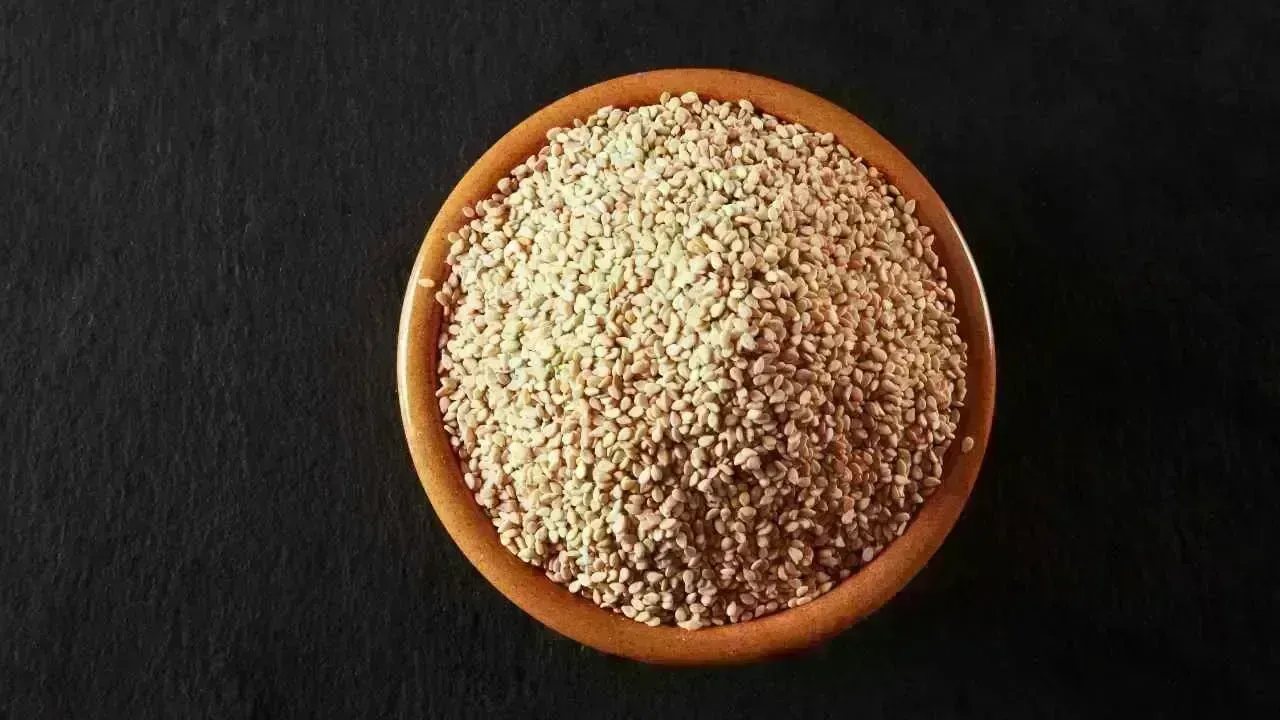
Most people associate calcium primarily with milk, which has long been regarded as the principal source for strong bones and teeth. However, nutritionists now highlight that certain plant-based foods, particularly sesame seeds—known as til in many cultures—actually provide a higher calcium concentration by weight.
Though small in size, sesame seeds are nutrient-dense and have been integral to traditional diets across Asian, Middle Eastern, and Indian cuisines for centuries. Their growing recognition stems from their remarkable nutritional profile and myriad health benefits.
While milk is a source of calcium, the mineral density in sesame seeds is much greater. This means even a modest serving of these seeds can deliver a significant calcium boost. This property makes sesame seeds an excellent choice for those who are lactose intolerant or choose to avoid dairy.
Vegans, vegetarians, and anyone unable to digest milk are advised to consider sesame seeds as a valuable plant-based source for meeting their daily calcium requirements.
A key advantage of sesame seeds is their ability to promote strong bones and teeth. Calcium is essential for maintaining bone density, particularly as we age.
Additionally, these seeds are enriched with magnesium and phosphorus, minerals that further enhance bone strength, making them beneficial for all age groups—from children to seniors.
Due to their healthy fat content, sesame seeds support cardiovascular health. These fats help regulate cholesterol levels, and consistent consumption may diminish bad cholesterol, thereby enhancing overall heart function.
Moreover, sesame seeds contain natural qualities that aid in promoting healthy blood flow and vascular health.
Rich in fiber, sesame seeds are vital for proper digestion. Fiber plays a critical role in preventing constipation and fostering regular bowel movements.
Incorporating sesame seeds into your daily meals can invigorate your digestive system while also nurturing beneficial gut bacteria.
Cesame seeds serve as a natural energizer. Their blend of healthy fats, proteins, and minerals combats fatigue and weakness.
Those feeling drained, especially during colder months or extended work periods, can find renewed vitality by including sesame seeds in their diets.
Historically, sesame seeds have been touted for their benefits to joint and muscle health, particularly in cooler climates. The minerals found in them bolster joint flexibility and muscle strength.
Individuals experiencing joint discomfort or muscle tightness may find regular, moderate consumption of sesame seeds advantageous.
Packed with antioxidants and healthy fatty acids, sesame seeds help keep skin hydrated and supple. This boosts skin health, particularly during winter months.
For hair, these seeds nurture the scalp and fortify hair strength, helping to mitigate nutrient-induced hair fragility.
Zinc and antioxidants in sesame seeds bolster the immune system, facilitating defense against infections and aiding in swift recovery from common illnesses.
Including sesame seeds in a balanced diet can reinforce your body's natural immunity.
Despite their fat content, sesame seeds can assist in weight management when consumed in moderation. Their fiber and protein content help maintain satiety, reducing the impulse for frequent snacking.
Thus, they can complement meals as a healthful addition rather than a source of weight gain.
Methods to enjoy sesame seeds are varied and simple. They can be lightly toasted and sprinkled over vegetables, salads, baked goods, or snacks. Additionally, they can be integrated into warm dishes or as toppings.
Soaking sesame seeds prior to consumption may improve digestion and nutrient absorption.
A daily intake of just one to two teaspoons is sufficient to harness the health advantages.
Those allergic to sesame seeds should strictly avoid them.
Individuals with sensitive digestive systems should begin with a minimal quantity to gauge their body’s response.
As with any food, moderation is key.
Karpaters sesame seeds may be small in size, but they pack considerable health benefits. They excel past milk in calcium content and further contribute positively to bone health, cardiovascular wellness, digestion, immunity, energy levels, as well as skin and hair care.
Incorporating sesame seeds into daily meals in modest amounts is a straightforward and natural approach to enhancing overall health. Achieving balance and attuning to your body's needs are essential for optimizing benefits.
For numerous individuals, sesame seeds represent more than merely a traditional food; they embody a powerful nutritional ally deserving of greater emphasis in contemporary diets.
This article serves general informational purposes only and is based on widely recognized nutritional insights and traditional dietary practices. It’s not intended to substitute for professional medical advice, diagnosis, or treatment. Individual health conditions and reactions to foods can vary. Consultation with a qualified healthcare provider is recommended before making significant dietary changes, especially for those with allergies or health concerns.










Anticipated Dates for UAE Eid Al Adha 2026 Unveiled by Astronomical Experts
Experts predict Eid Al Adha 2026 in the UAE to start on May 27, prompting early holiday planning amo

DAE Achieves Remarkable Growth in Q1 2026 With Record Revenue
Dubai Aerospace Enterprise announces impressive financial results for Q1 2026, reflecting a surge in

Price Increase for Sony PS5 in Southeast Asia Effective May 1
Sony announces a price increase for the PS5 across Southeast Asia starting May 1, 2026, impacting ga

Potential ‘Super El Niño’ in 2026: Understanding the Climate Risks
Could a Super El Niño emerge in 2026? Discover its implications and potential global climate impacts

Global Energy Crisis Intensifies: Markets React to Oil Supply Challenges
Markets are on edge as oil disruptions escalate, influencing prices and economic stability. Explore

Must-See Tourist Spots in London You Can't Overlook
Explore London's essential attractions, from royal landmarks to vibrant markets, ensuring an unforge




