Post by : Raina Nasser
Washington, November 4, 2025: As the US government shutdown reaches day 34, the nation’s aviation system is under mounting strain. Key airports are battling operational slowdowns as unpaid federal staff struggle to maintain normal services.
Shortfalls among air traffic controllers and TSA screeners lie at the core of the troubles. Many frontline workers have reduced hours, stopped reporting, or taken extra jobs to cover expenses, disrupting operations at hubs such as Orlando, Chicago, Denver, Houston and Newark.
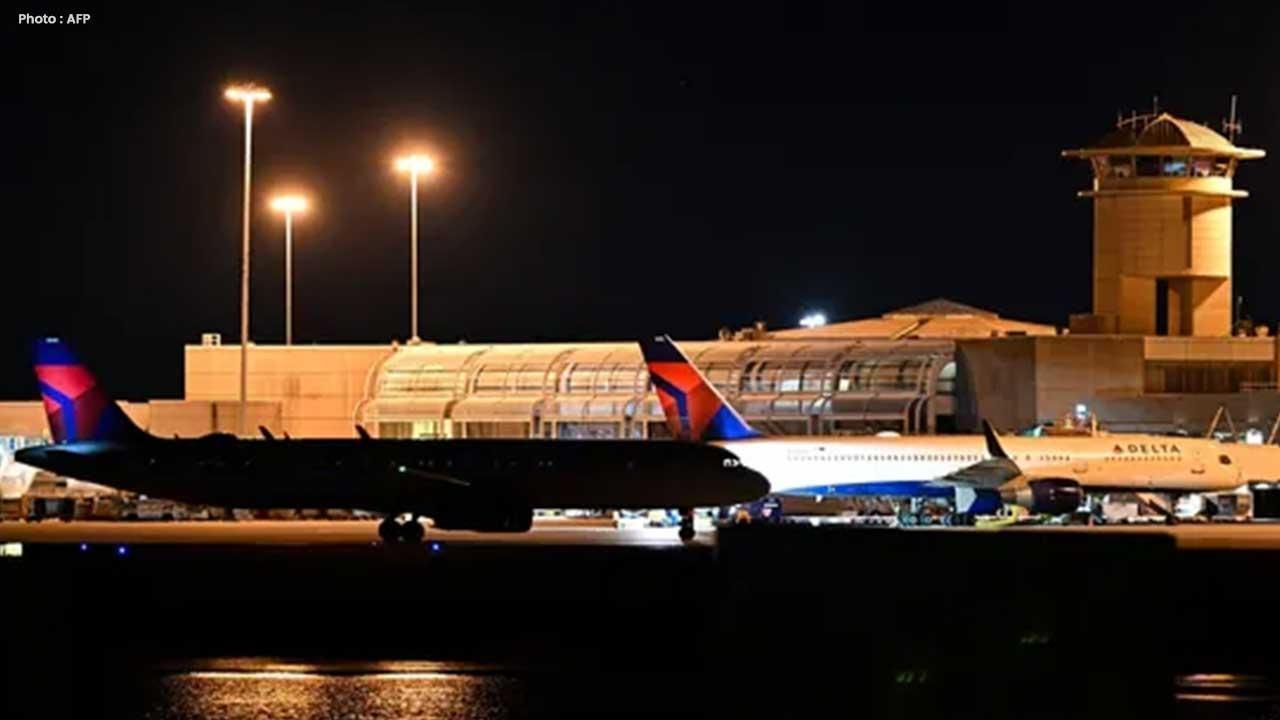
On October 30, operations at Orlando International Airport suffered major interruptions when officials said no certified controllers were available in the tower, prompting the FAA to pause inbound flights for several hours to protect safety.
Nick Daniels, president of the National Air Traffic Controllers Association, warned the ongoing impasse is degrading aviation safety.
"Each additional day under these conditions reduces the margin of safety for tomorrow," Daniels said, adding that staff under financial pressure cannot always sustain peak performance.
Transportation Secretary Sean Duffy conceded the shutdown increases system risk but stressed that a full airspace closure would occur only if safety could not be assured. He told CNBC that, while the FAA has not reached that point, the delays are nevertheless significant.
Passengers are already feeling the impact on the ground. At Houston’s Bush Intercontinental Airport, security screening wait times have stretched to as long as three hours, and travelers at Chicago and Denver report last-minute cancellations and prolonged waits.
Keith Jeffries, a former TSA federal security director at Los Angeles International Airport, warned the situation is poised to deteriorate further as unpaid staff confront difficult choices.
"Callouts are likely to climb as employees decide whether they can afford to report without pay," Jeffries said, noting that staffing attrition will further strain operations.
Some aviation experts emphasize that workers who recognise their own limits are contributing to safety by not operating when unfit. Mike McCormick, a professor of Air Traffic Management at Embry-Riddle University, made this point.
"When controllers step aside because they are not able to perform safely, they are helping preserve the integrity of the system," McCormick said.
Erik Hansen, senior vice president of the US Travel Association, cautioned that while safety remains the priority, the shutdown is steadily eroding traveler confidence by undermining predictability and reliability.
Union leaders and airline executives have jointly appealed to Congress to resolve the stalemate, warning of growing risks to both passengers and the workforce. "End the shutdown now," Daniels urged, calling for an immediate reopening of government operations.
With no resolution in sight, millions of travelers across the United States face continued uncertainty — not only about flights but about when federal services will return to normal.








Price Increase for Sony PS5 in Southeast Asia Effective May 1
Sony announces a price increase for the PS5 across Southeast Asia starting May 1, 2026, impacting ga

Potential ‘Super El Niño’ in 2026: Understanding the Climate Risks
Could a Super El Niño emerge in 2026? Discover its implications and potential global climate impacts

Global Energy Crisis Intensifies: Markets React to Oil Supply Challenges
Markets are on edge as oil disruptions escalate, influencing prices and economic stability. Explore

Must-See Tourist Spots in London You Can't Overlook
Explore London's essential attractions, from royal landmarks to vibrant markets, ensuring an unforge

Ultimate Guide to Snagging Cheap Flights in 2026
Unlock the secrets to booking affordable flights in 2026 with insightful tips and strategies tailore

The Impact of Consistent Small Investments on Wealth Building
Discover how investing small amounts regularly can positively transform your financial future over t