Post by : Mina Rahman
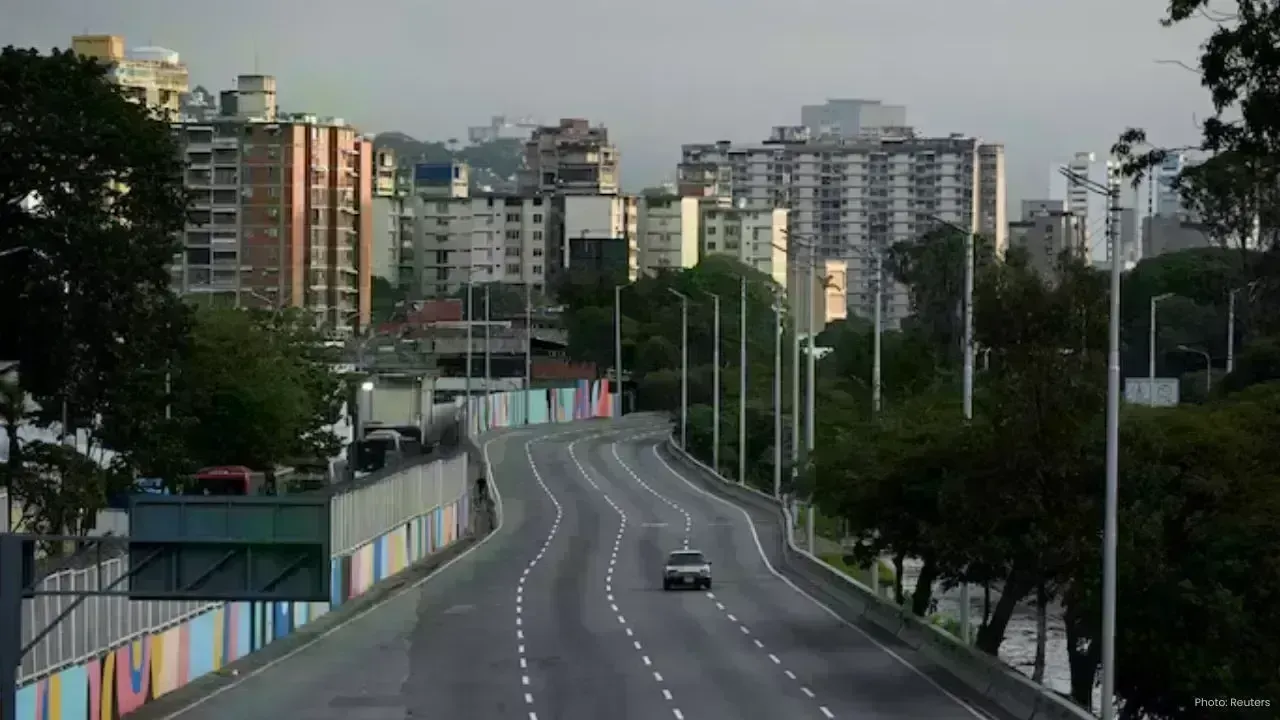
Global financial markets demonstrated stability on Monday even after the U.S. executed a notable operation that resulted in the apprehension of Venezuelan President Nicolas Maduro. Nevertheless, investors are expressing caution, suggesting that the real impact of geopolitical risks might not yet be entirely captured in market valuations. Early-week trading saw Asian markets rising, while oil prices experienced a slight dip and gold prices increased as investors turned to safe-haven assets amid growing uncertainty.
President Donald Trump’s assertive stance, which involved direct threats aimed at Colombia and Mexico, indicates a substantial shift in U.S. foreign policy strategy. This action has revived concerns regarding the stability of Latin America and its broader ramifications for global financial markets. Analysts point out that immediate disruptions remain limited; however, the long-term consequences of such policy aggressiveness could resonate through various sectors and geographical areas.
Though Venezuela’s oil output is minimal on the global stage, the nation's rich untapped reserves have garnered interest. Market insiders argue that the initially restrained market reaction can be attributed to Venezuela's small contribution to overall oil supplies. However, if U.S. energy firms manage to recommence production, it might open substantial opportunities and possibly alter energy market dynamics significantly over time.
Financial analysts caution that the implications of this move extend beyond the oil sector. The operation may lead nations to hike their defense expenditures, signaling a new era of increased military alertness. Meanwhile, uncertainty surrounding U.S. foreign policy could have implications for the dollar's status as a safe haven, despite a slight increase seen on Monday following last year's notable dip against major currencies.
Investors are closely observing potential global ramifications. Questions arise about whether Trump’s decisive strategy in Venezuela might encourage similar assertiveness in other regions, such as potential U.S. actions concerning Iran or strategic tensions over Taiwan. Yet, experts in the region suggest that while tensions are on the rise, immediate escalations in other hotspots are not unavoidable.
Market analysts have noted an emerging trend: investors seem to be growing accustomed to the U.S.'s quick military and foreign policy actions. In this light, the situation in Venezuela is viewed more as a geopolitical disruption than a supply chain emergency. While this incident has reignited discussions on regional stability and long-term market risks, most analysts remain convinced that fundamental financial indicators—earnings, interest rates, and investment strategies—will dictate market trends in the near future.






Price Increase for Sony PS5 in Southeast Asia Effective May 1
Sony announces a price increase for the PS5 across Southeast Asia starting May 1, 2026, impacting ga

Potential ‘Super El Niño’ in 2026: Understanding the Climate Risks
Could a Super El Niño emerge in 2026? Discover its implications and potential global climate impacts

Global Energy Crisis Intensifies: Markets React to Oil Supply Challenges
Markets are on edge as oil disruptions escalate, influencing prices and economic stability. Explore

Must-See Tourist Spots in London You Can't Overlook
Explore London's essential attractions, from royal landmarks to vibrant markets, ensuring an unforge

Ultimate Guide to Snagging Cheap Flights in 2026
Unlock the secrets to booking affordable flights in 2026 with insightful tips and strategies tailore

The Impact of Consistent Small Investments on Wealth Building
Discover how investing small amounts regularly can positively transform your financial future over t




