Post by : Saif Nasser
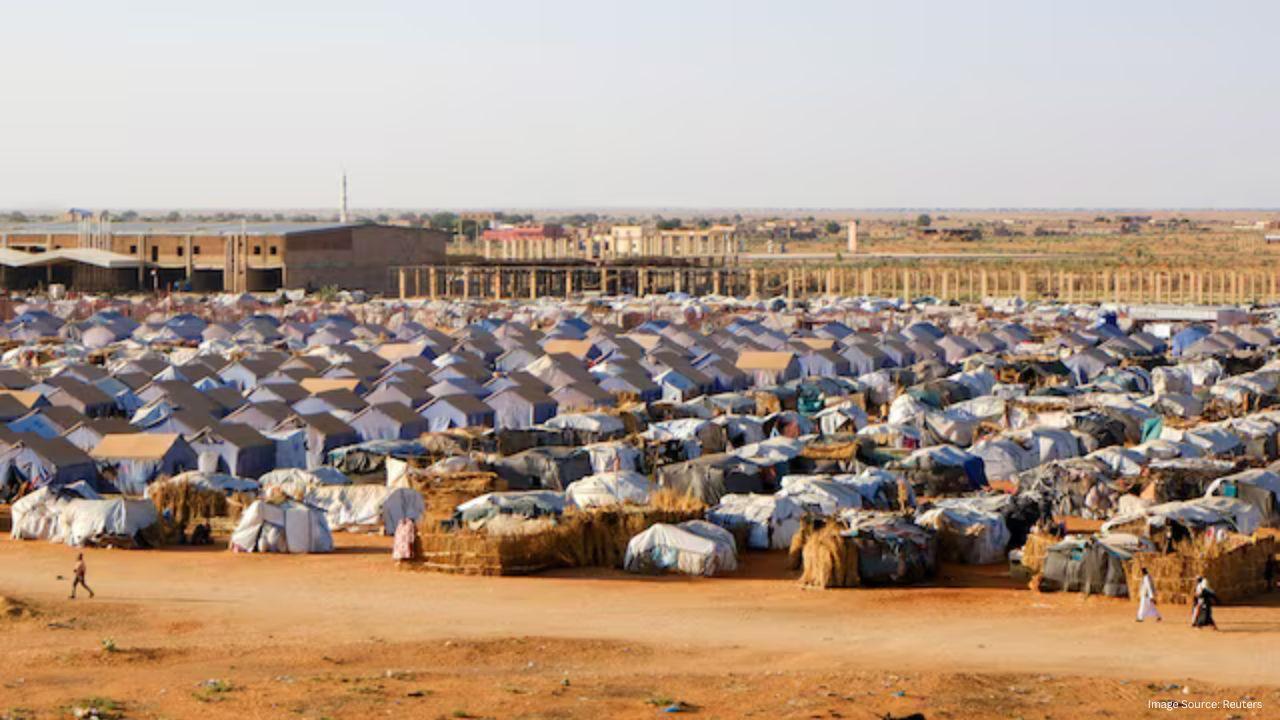
The global displacement crisis in 2026 is expected to worsen as the Danish Refugee Council warns that nearly four million more people could be forced to leave their homes due to falling humanitarian aid. This warning highlights a serious challenge facing the world today.
Millions of people are already living as refugees or internally displaced due to war, violence, and climate change. The number continues to grow each year, putting pressure on humanitarian systems across the globe. Experts say that without enough support, the situation could become even more difficult.
The Danish Refugee Council has pointed out that major cuts in international aid are a key reason behind this risk. When funding drops, aid agencies are forced to reduce food supplies, medical care, and shelter support. This makes it harder for vulnerable people to survive in their current locations.
As a result, many families may have no choice but to move again in search of safety and basic needs. This secondary displacement increases suffering and creates more instability in already fragile regions.
The impact of aid cuts is being felt strongly in regions facing conflict and economic hardship. Countries in Africa and parts of Asia are among the most affected. Ongoing conflicts, combined with limited resources, are pushing more people toward displacement.
Another major concern is the pressure on host countries. Many developing nations are already sheltering large numbers of refugees despite having limited resources of their own. If international aid continues to fall, these countries may struggle to provide basic services, which could lead to stricter policies on refugees.
The global refugee crisis is also linked to climate change. Droughts, floods, and extreme weather events are forcing people to leave their homes. When combined with conflict and poverty, these factors create a cycle that is difficult to break.
Experts believe that immediate action is needed to prevent the crisis from growing further. Increasing humanitarian funding, supporting peace efforts, and investing in long-term development are seen as key solutions.
The international community has an important role to play. Strong cooperation between governments, aid agencies, and global organizations can help provide relief and reduce the risk of further displacement.
The warning from the Danish Refugee Council serves as a wake-up call. It shows that without proper support, millions more people could lose their homes and face uncertain futures.
The coming months will be critical in shaping the global response. Decisions on funding and policy will determine whether the world can manage this growing crisis or face even greater challenges ahead.






Starbucks Engages Boyu Capital for Major Chinese Expansion
Starbucks teams up with Boyu Capital, selling a majority stake to boost growth and adapt to the Chin

Three Individuals Charged in Massive Meth Trafficking Case in Malaysia
In Malaysia, a married couple and another suspect are charged with trafficking 510kg of meth, facing
Singapore Police Revisit Geylang Murder Scene with Suspect
In Geylang, police return a murder suspect to the scene of a crime involving the fatal stabbing of a

Mattel Revives Masters of the Universe Action Figures Ahead of Film Launch
Mattel is reintroducing Masters of the Universe figures in line with its upcoming film, tapping into

China Executes 11 Members of Criminal Clan Linked to Myanmar Scam
China has executed 11 criminals associated with the Ming family, known for major scams and human tra