Post by : Bianca Suleiman
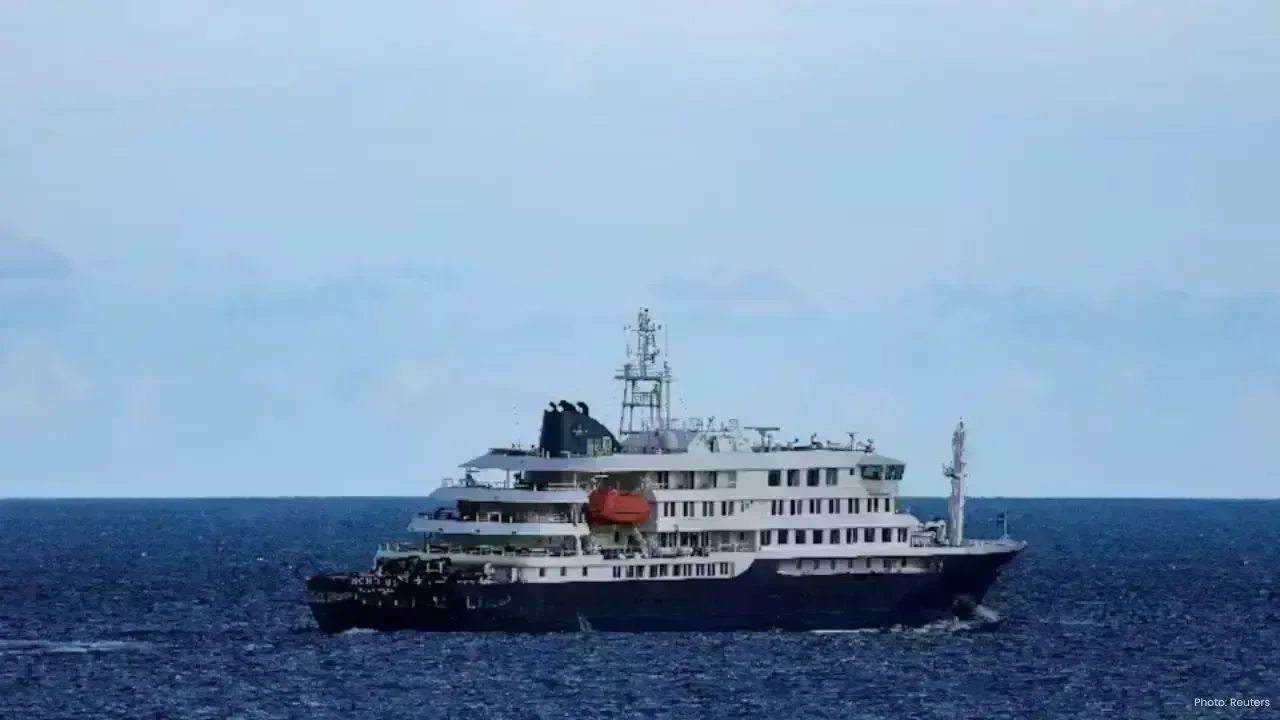
A recent hantavirus incident associated with the luxury cruise ship MV Hondius in the Atlantic has caused international alarm and revived the memories of the COVID-19 outbreak. Linked to the Andes strain of hantavirus, the situation has tragically resulted in three fatalities and eleven reported infections so far.
Health authorities globally have turned their focus toward monitoring numerous passengers who disembarked from the ship and have since returned to nearly twenty different nations. This outbreak has incited online apprehension, evoking memories of the initial COVID-19 outbreak on the Diamond Princess back in 2020.
However, specialists and the World Health Organization (WHO) assert that the current public risk remains minimal and that this should not be equated with another pandemic similar to COVID-19.
The Andes strain of hantavirus predominantly exists in certain areas of Argentina and Chile. Unlike various other strains, this particular one can, albeit rarely, be transmitted between humans. Experts highlight that the virus has been present for decades without significant alterations.
Authorities have confirmed that samples taken from the affected passengers onboard the MV Hondius correspond with previously identified strains. Furthermore, established measures exist to curb the spread of hantavirus.
This outbreak exposes the efforts of governments and health organizations aimed at improving public communication, reflecting on the missteps observed during the COVID pandemic. The previous confusion in messaging often led to societal distrust in health authorities.
Gianfranco Spiteri, the emergencies lead at the European Centre for Disease Prevention and Control, indicated that there is now a significant focus on effective communication with the public while preventing unnecessary alarm.
Health agencies are actively combating misinformation that has surfaced online, including unfounded conspiracy theories linking hantavirus to vaccines or pharmaceutical companies, alongside unsupported remedies like ivermectin, vitamin D, and zinc.
Dr. Tedros Adhanom Ghebreyesus, WHO Director-General, has addressed escalating concerns promptly through public announcements and social media. He emphasized in a public letter to Tenerife residents that the hantavirus situation should not be compared with COVID-19.
Experts acknowledge the understandable emotional response, particularly since cruise ship incidents are now intrinsically linked with disease outbreaks in public memory since 2020.
Despite widespread anxiety, health officials reassure the public that hantavirus transmission differs significantly from that of COVID-19. It is considerably less contagious, outbreaks remain localized, and effective control measures are already in place.
Authorities are committed to ongoing contact tracing, testing, and monitoring of passengers, urging the public to stay informed through reliable health sources rather than succumbing to social media speculation.







Anticipated Dates for UAE Eid Al Adha 2026 Unveiled by Astronomical Experts
Experts predict Eid Al Adha 2026 in the UAE to start on May 27, prompting early holiday planning amo

DAE Achieves Remarkable Growth in Q1 2026 With Record Revenue
Dubai Aerospace Enterprise announces impressive financial results for Q1 2026, reflecting a surge in

Price Increase for Sony PS5 in Southeast Asia Effective May 1
Sony announces a price increase for the PS5 across Southeast Asia starting May 1, 2026, impacting ga

Potential ‘Super El Niño’ in 2026: Understanding the Climate Risks
Could a Super El Niño emerge in 2026? Discover its implications and potential global climate impacts

Global Energy Crisis Intensifies: Markets React to Oil Supply Challenges
Markets are on edge as oil disruptions escalate, influencing prices and economic stability. Explore

Must-See Tourist Spots in London You Can't Overlook
Explore London's essential attractions, from royal landmarks to vibrant markets, ensuring an unforge




