Post by : Mina Rahman
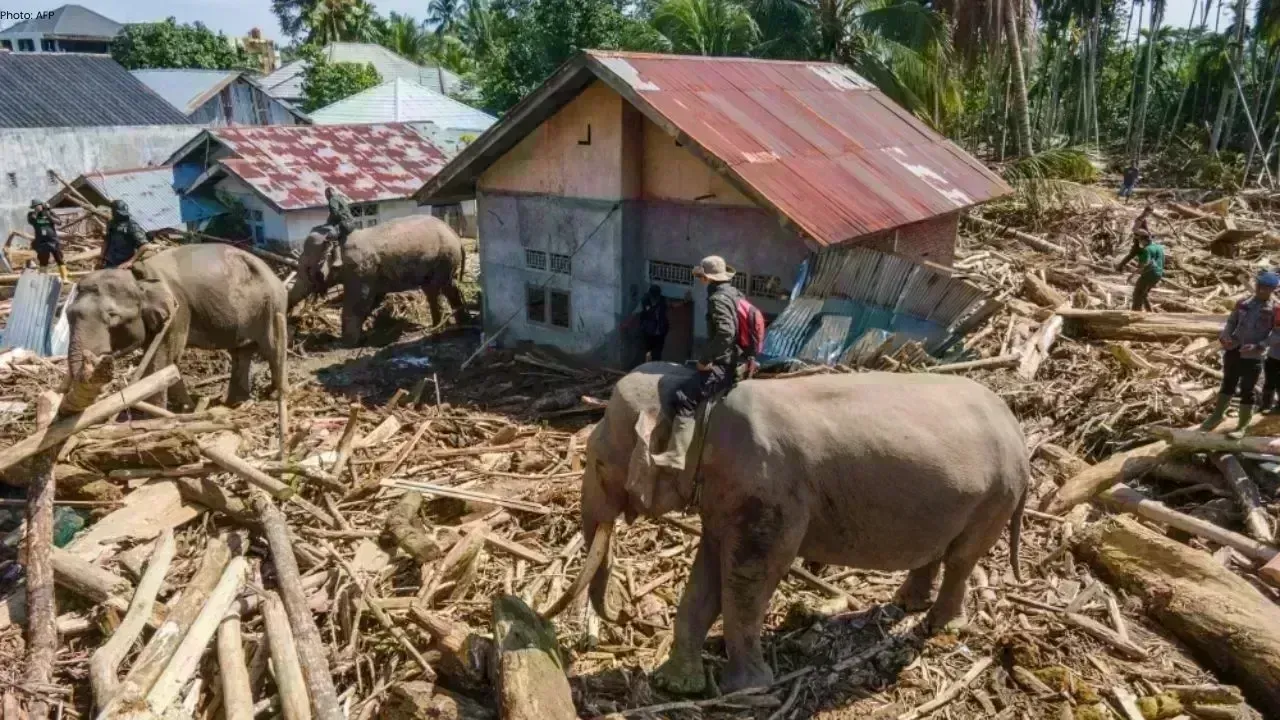
Prolonged heavy rains and tropical storms have triggered catastrophic flooding and landslides in Indonesia and Sri Lanka, leading to a climactic rise in fatalities and an escalating humanitarian emergency.
In Indonesia, officials report 950 lives lost and 274 individuals unaccounted for in the provinces of Aceh, North Sumatra, and West Sumatra. At least 5,000 individuals have sustained injuries due to floodwaters and landslides. Aceh's governor, Muzakir Manaf, highlighted severe shortages in essential resources, stating, “We lack everything, especially medical staff. The absence of doctors is critical. Basic supplies are in dire need; it encompasses more than just a handful of items.”
Vital infrastructure has suffered extensive damage, with hospitals, schools, government buildings, and bridges obliterated, isolating entire communities. The national disaster mitigation agency (BNPB) estimates the cost to rebuild at a staggering 51.82 trillion rupiah (about $3.1 billion). Long lines have formed in Banda Aceh for drinking water and fuel, with prices for basic commodities, like eggs, soaring.
Meanwhile, Sri Lanka is still recovering from Cyclone Ditwah, claiming 627 lives and impacting over two million residents—nearly 10% of the nation's population. The Disaster Management Centre (DMC) has warned of ongoing heavy monsoon rains and increased risk of additional landslides, forecasting rainfall to exceed five centimeters in vast areas.
To aid recovery efforts, the Sri Lankan military has deployed an additional 38,500 security personnel, significantly increasing the initial contingent, with rescue teams reporting 31,116 lives saved to date. President Anura Kumara Dissanayake announced an extensive recovery initiative, including a 10 million rupee ($33,000) grant per family to acquire safer land and reconstruct homes, alongside cash support for food, kitchen essentials, and bedding, as well as livelihood assistance for those affected. However, the government has admitted it cannot shoulder the reconstruction costs alone and has sought foreign aid, including assistance from the International Monetary Fund, following the economic crisis of 2022.
Seasonal monsoonal rains play a crucial role in agriculture throughout South and Southeast Asia, yet climate change is rendering rainfall patterns increasingly erratic, severe, and hazardous, heightening the frequency and intensity of such floods.
Both nations now grapple with the pressing need to deliver essential supplies, medical services, and restore damaged infrastructure. Urgent international aid is imperative to prevent further fatalities and alleviate continuing hardships.









Reopening of the Strait of Hormuz: New Regulations to Impact Global Trade
Iran reopens the strategic Strait of Hormuz with new regulations affecting oil transport and global

Top 10 Must-See Attractions in NYC for First-Time Explorers
Discover essential experiences for first-time visitors to NYC, including attractions, culture, and i

Starbucks Engages Boyu Capital for Major Chinese Expansion
Starbucks teams up with Boyu Capital, selling a majority stake to boost growth and adapt to the Chin

Three Individuals Charged in Massive Meth Trafficking Case in Malaysia
In Malaysia, a married couple and another suspect are charged with trafficking 510kg of meth, facing

Singapore Police Revisit Geylang Murder Scene with Suspect
In Geylang, police return a murder suspect to the scene of a crime involving the fatal stabbing of a