Post by : Bianca Suleiman
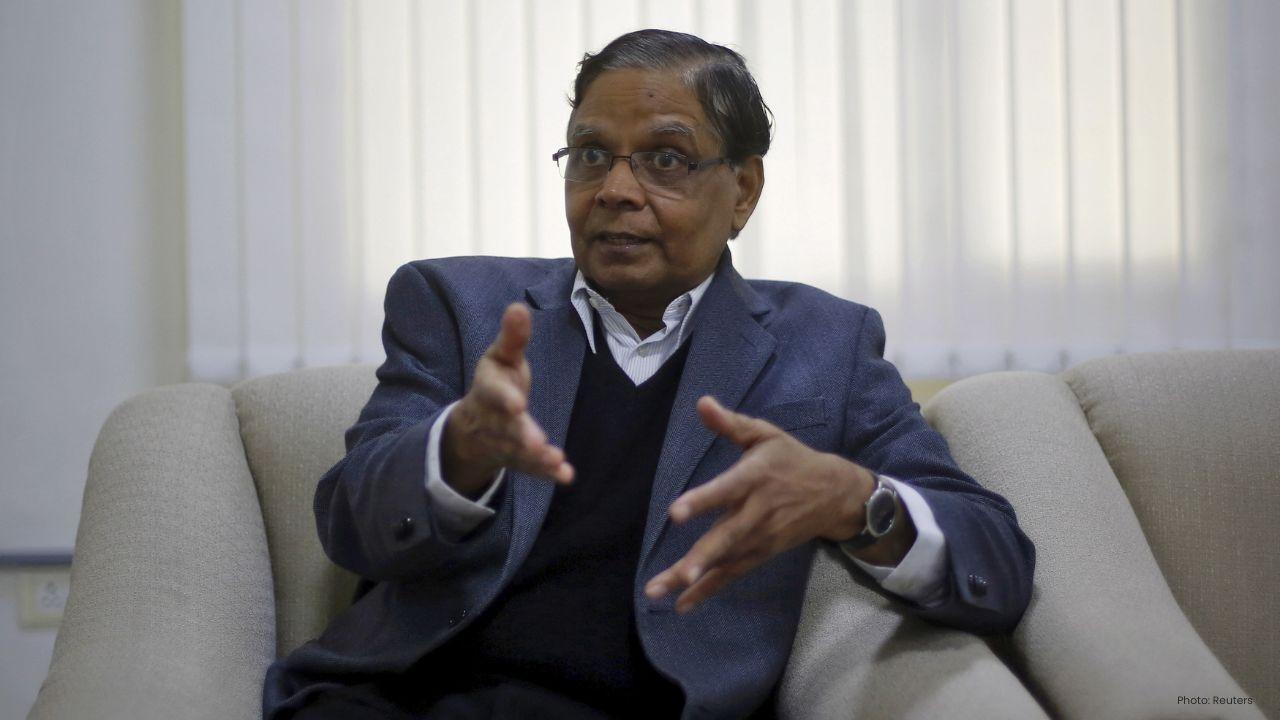
New Delhi: The 16th Finance Commission, chaired by Dr. Arvind Panagariya, has submitted its report for the fiscal period 2026-31 to President Droupadi Murmu on Monday. This report is set to be presented in Parliament before its official release and details recommendations aimed at distributing central funds to states from 2026-27 through 2030-31.
The Commission’s responsibilities cover essential areas, including the sharing of central tax revenues with states, grants-in-aid provisions, mechanisms for disaster financing, and fiscal stability strategies across various regions.
Main Recommendations and State Expectations
Although specifics of the recommendations remain undisclosed, several states have already articulated their demands. A majority are advocating for a rise in tax devolution from the existing 41% established by the 15th Finance Commission to as high as 50%, citing the growing need for financial resources to alleviate poverty, enhance infrastructure, and support local economies.
Richer states, including Tamil Nadu, Maharashtra, Karnataka, Telangana, and Gujarat, have stressed their significant contributions to the national revenue. They are calling for revisions in the fiscal framework to properly reflect GDP contributions balanced against developmental requirements. For example, Tamil Nadu is suggesting a 15% weightage for GDP while lowering the “income distance” factor that currently favors less prosperous states. Maharashtra has proposed a reduction to 37.5%.
In contrast, mountainous and border states like Himachal Pradesh, Uttarakhand, Jammu and Kashmir, and regions in the northeast have brought attention to their high governance costs due to challenging landscapes and frequent natural disasters, seeking more financial flexibility and customized support for disaster-prone areas.
Disaster Preparedness and Borrowing Adjustments
The increasing frequency of floods, cyclones, and other climate-related incidents has spotlighted the fiscal challenges faced by numerous states. Current regulations allow borrowing up to 3% of a state's gross domestic product (GSDP), with an additional 0.5% permissible for states achieving reform goals. However, many states contend that these borrowing limits hinder their ability to repair infrastructure or prepare for climate-related threats, advocating for the inclusion of a climate-resilient approach in the upcoming recommendations.
Harmonizing Development and Contributions
An ongoing dialogue among states has surfaced, focusing on the balance between contributions and needs. Developed states are vying for a fairer allocation conducive to their tax contributions, while less developed states depend on external support to overcome historical and regional challenges. The 16th Finance Commission's challenge is to navigate this complex landscape while promoting equitable development and fiscal responsibility.
With the report pending public release, it promises to serve as a detailed guide for central-state financial relations, disaster funding, and fair development across India’s varied regions.









DAE Achieves Remarkable Growth in Q1 2026 With Record Revenue
Dubai Aerospace Enterprise announces impressive financial results for Q1 2026, reflecting a surge in

Price Increase for Sony PS5 in Southeast Asia Effective May 1
Sony announces a price increase for the PS5 across Southeast Asia starting May 1, 2026, impacting ga

Potential ‘Super El Niño’ in 2026: Understanding the Climate Risks
Could a Super El Niño emerge in 2026? Discover its implications and potential global climate impacts

Global Energy Crisis Intensifies: Markets React to Oil Supply Challenges
Markets are on edge as oil disruptions escalate, influencing prices and economic stability. Explore

Must-See Tourist Spots in London You Can't Overlook
Explore London's essential attractions, from royal landmarks to vibrant markets, ensuring an unforge

Ultimate Guide to Snagging Cheap Flights in 2026
Unlock the secrets to booking affordable flights in 2026 with insightful tips and strategies tailore




