Post by : Anees Nasser
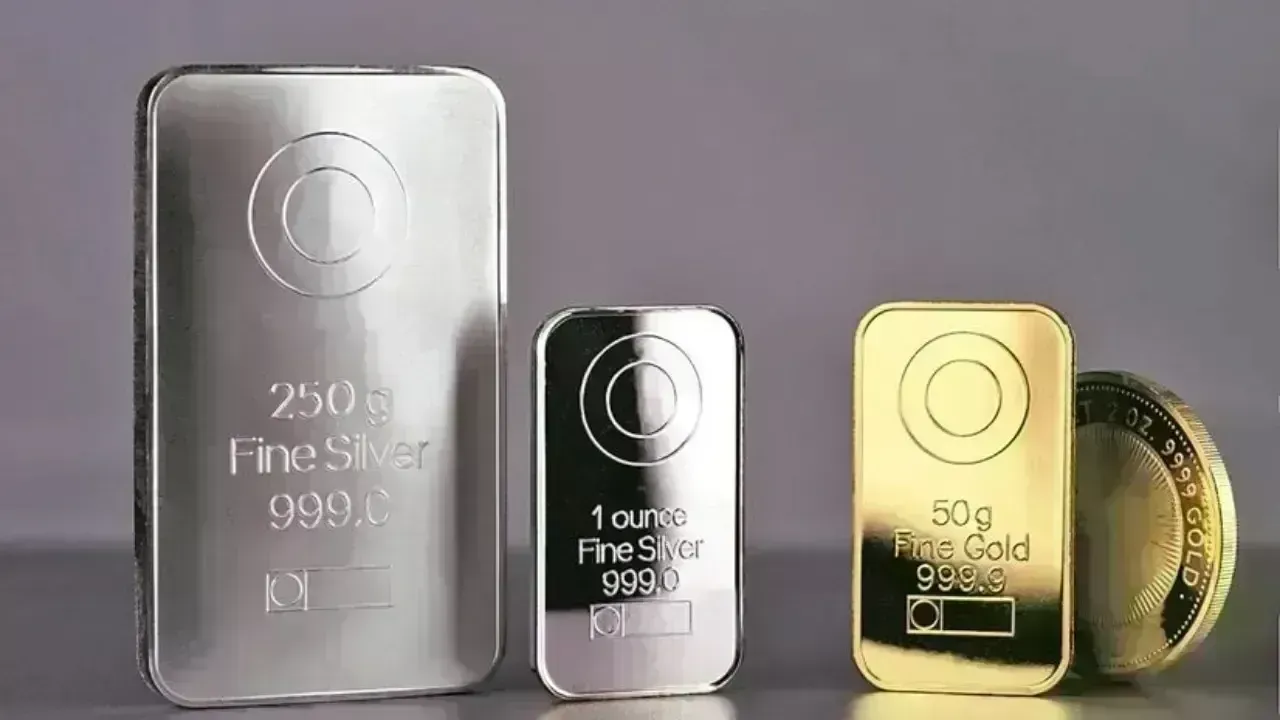
Gold and silver, while differing in price and functionality, often see their demand rise in tandem, resembling a pair of adept athletes building momentum. As 2026 approaches, renewed chatter in finance circles indicates an increasing interest in this duality. Investors look to gold for safety during market upheavals, while simultaneously warming up to silver, an impulse rooted in shared histories and economic principles intertwined more than novice investors may realize.
At the core lies perception. Gold is regarded as the premier asset for value retention, revered by both royals and financial institutions. Silver shares a similar reputation, albeit with higher volatility and more modest pricing. In planning their financial futures, families and jewelers typically gravitate toward both metals as necessary accompaniments to wealth accumulation, offering readers insights into effective strategies as they enter the New Year.
Throughout history, gold and silver transcended their roles as mere commodities to become currency itself. Empires relied heavily on these metals for minting coins, and fixed exchange rates maintained their market stability. This legacy continues to influence how traders perceive these assets. The cultural bonds established endure even in the digital age, with investment education still drawing parallels to macroeconomic drivers like inflation.
In various Asian and Gulf communities, the cultural practice of combining gold and silver gifts for weddings and festive celebrations persists. A bride might don gold jewelry while gifts are given in silver, further driving modern retail interest in both metals. This encourages households to comfortably accumulate each type simultaneously, thereby mirroring their demand trends.
Inflation serves as a chief motivating factor. Rising costs of essential goods evoke fears of diminishing currency strength, positioning gold as a safe haven, with silver acting as a complementary safeguard. In the evolving landscape of 2026, investors seek to diversify, hedging their assets across both metals in response to the weaker dollar.
Interest rates significantly impact opportunity costs. When returns on deposits decline, the allure of non-yielding assets like gold increases, and silver follows suit. Market interpretations of policy changes reinforce this buying behavior; even amidst rapid technological advancements, traditional economic principles remain in play.
Distinctively, silver's industrial applications in sectors like electronics and renewable energy can drastically spike its demand. As manufacturing thrives, this activity indirectly raises gold's visibility in global markets, as upward trends in silver draw attention to other precious metals.
Geme in financial security prompts gold to take the lead in safe-haven investments, yet buyers often consider silver an attractive alternative. New investors in 2026, often limited in their gold purchases, gravitate toward affordable silver options, spurred by online discussions and shared experiences that bolster both their appeal.
News coverage habitually positions these metals as a cohesive duo, reinforcing the notion that success in one propels interest in the other. As families plan for celebrations, they metaphorically channel this narrative, solidifying their focus on both assets.
Investment advisors in 2026 promote a diversified approach within precious metals. Gold proves useful against geopolitical instability, while silver offers potential for growth through industry. Combined, they present a balanced portfolio strategy that treats both metals not as competitors but as partners in financial wellness.
Market participants commonly engage in hedging strategies based on gold-silver ratios. As discrepancies widen, traders pivot to adjusting their holdings accordingly, contributing to a simultaneous uptick in both metals. In 2026, this practice continues to warrant interest among investors navigating market complexities.
Changes in retail distribution have led to mixed product offerings, enabling consumers to purchase small gold and silver items in one transaction. This accessibility nurtures participation among households, allowing them to engage in both markets with greater ease.
Regions like the Gulf are significant players in the jewelry and coin market. As infrastructure projects flourish in the UAE, families are expected to increase their metal collections in celebration, thus swaying global influences. Geopolitical currents similarly compel buyers towards accumulating both assets.
Shifts in population due to climate impacts drive individuals to prioritize tangible wealth in forms of coins that hold trade value over traditional bank documents. This behavior may lead to a collective surge in both gold and silver demand.
Both gold and silver often experience similar increases in freight and energy costs. Supply chain adjustments tied to external factors, such as tariff implementations, influence the market for both metals in a synchronized manner.
Limitations in refinery capacities lead both sectors to react similarly, driving prices up and sustaining demand for each metal.
In 2026, potential buyers often initiate their journeys on online platforms before making purchases in-store, reflecting a shift in shopping habits. This change mirrors broader trends in consumer preferences as they increasingly invest in precious metals.
Retailers gear up for significant events by using both metals for crafting jewelry, directly impacting sales trends.
Silver tends to exhibit higher volatility compared to gold, provoking a fear of missing out among investors when silver prices rise. Such dynamics illustrate why both metals frequently attract simultaneous investment.
While gold is recognized predominantly as a long-term store of value, households intending to secure their financial futures increasingly favor a diverse approach involving both metals.
Shared monetary history
Inflation hedging behavior
Currency depreciation
Monetary policy changes
Hedging through ratios
Cultural jewelry practices
Demand from industrial sectors
Mining production costs
Media influences
Coin availability
Migration effects
Refinery challenges
Diversified investment portfolios
Psychological bandwagon effects
Seasonal purchasing
Retail bundling
Educational outreach
Technological enhancements
Logistical operations
Overall market sentiment
Similar to the importance of expert advice over mere online suggestions, consumers should prioritize professional investment insights over retail narratives that may overlook volatility.
High-end investment options may present barriers as consumers gradually adapt to participating in these markets.
Innovations in digital wallets and secure transactions may open doors for new retail ventures focusing on peer-to-peer exchanges.
Building youth engagement through relatable content can enhance participation in precious metals.
The blend of fashion, technology, and lifestyle is evident in daily practices, emphasizing the importance of recognizing texture over perfection.
Personal routines now incorporate food, self-care, and precious metals, highlighting their mental health benefits.
Emerging technologies like quantum chemistry may drive demand for silver, while gold captures more attention through associated trends. The potential for advanced connectivity and sustainable packaging may reinvigorate both metals throughout 2026 and beyond.
Territorial ambitions in outer space could inspire central banks to bolster their gold reserves, while households increasingly lean on silver.
Gold and silver, though distinct, frequently attract simultaneous demand due to their interconnected reactions to economic shifts and a shared cultural significance. Factors like inflation and geopolitical tensions motivate buyers towards gold and silver alike. Comprehending this synergy is vital for investors looking to craft informed strategies in the changing landscape of 2026; the charm of tangible assets will endure, driving futures focused on these two enduring metals.
Disclaimer:
The insights provided herein are for informational purposes only and should not be construed as definitive investment advice. The markets for precious metals are influenced by various elements that may induce fluctuations in demand and price dynamics.










Anticipated Dates for UAE Eid Al Adha 2026 Unveiled by Astronomical Experts
Experts predict Eid Al Adha 2026 in the UAE to start on May 27, prompting early holiday planning amo

DAE Achieves Remarkable Growth in Q1 2026 With Record Revenue
Dubai Aerospace Enterprise announces impressive financial results for Q1 2026, reflecting a surge in

Price Increase for Sony PS5 in Southeast Asia Effective May 1
Sony announces a price increase for the PS5 across Southeast Asia starting May 1, 2026, impacting ga

Potential ‘Super El Niño’ in 2026: Understanding the Climate Risks
Could a Super El Niño emerge in 2026? Discover its implications and potential global climate impacts

Global Energy Crisis Intensifies: Markets React to Oil Supply Challenges
Markets are on edge as oil disruptions escalate, influencing prices and economic stability. Explore

Must-See Tourist Spots in London You Can't Overlook
Explore London's essential attractions, from royal landmarks to vibrant markets, ensuring an unforge




