Post by : Saif Nasser
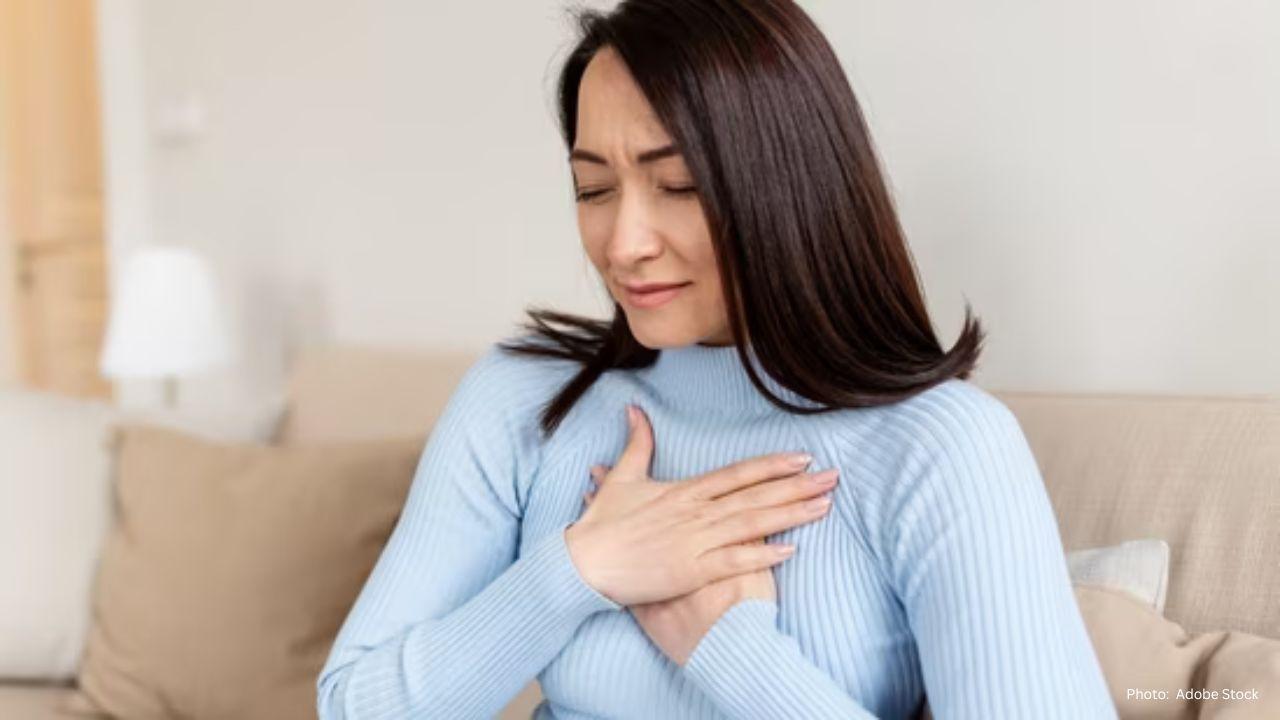
Experiencing sudden chest discomfort can be alarming, as many associate it with heart issues. However, medical professionals clarify that such sensations are not always heart-related. Often, trapped gas in the stomach or intestines is to blame, creating pressure that feels like chest pain. This discomfort can be confusing and anxiety-inducing.
Dr. Swapnil Patil, an internal medicine expert at DPU Super Specialty Hospital in Pune, shares that gas pain is typically benign and can effectively be managed with home remedies. Many individuals experience gas after eating quickly, indulging in spicy or greasy meals, or suffering from acidity and indigestion. Conditions like GERD, where stomach acid flows back into the esophagus, can also lead to burning sensations and heaviness in the chest.
Gas pain manifests differently for each person; it might feel like a sharp ache or heaviness behind the breastbone. Sometimes, it starts in the upper abdomen and travels upward, mimicking actual chest pain. Fortunately, this discomfort usually responds well to basic self-care strategies.
People often swallow air while eating or drinking rapidly, increasing gas production. Overeating stretches the stomach, creating added pressure that can affect the chest. Stress, irregular eating habits, and reclining immediately after meals can further exacerbate the issue. So, making minor lifestyle adjustments along with home remedies can aid in relief.
For instance, sipping warm water can relax the digestive tract, facilitating easier gas expulsion. Warm water also promotes intestinal movement, alleviating pressure in the chest. Additionally, gentle post-meal walking can speed up digestion and help avoid gas accumulation.
Herbal teas, such as ginger, peppermint, and chamomile, can also provide relief by calming the stomach and reducing bloating. These ingredients are recognized for their soothing effects on the digestive system. Moreover, families often use ajwain or carom seeds after meals to alleviate gas issues, as they help in breaking down food and minimizing trapped air.
Utilizing heat therapy, like a warm compress or hot water bottle on the upper abdomen, can be beneficial too. The warmth relaxes muscles, easing tightness and allowing gas to move downward instead of upward—offering quick relief for many.
Dr. Patil advises against lying down right after meals, as it can slow digestion and heighten the likelihood of acid reflux. Opting for smaller meals, chewing thoroughly, and avoiding foods that trigger gas, such as fried or spicy dishes, can prevent gas buildup.
While gas pain is often harmless, individuals should take note of severe or persistent chest pain. If accompanied by symptoms like shortness of breath, sweating, nausea, or pain radiating to the arm or jaw, immediate medical attention is warranted.
In conclusion, managing chest gas is a common concern that can be addressed at home through simple practices. Incorporating warm beverages, light exercise, herbal remedies, and mindful eating can significantly lessen discomfort. With these straightforward approaches, individuals can achieve quick relief and reduce the occurrence of gas pain.










Price Increase for Sony PS5 in Southeast Asia Effective May 1
Sony announces a price increase for the PS5 across Southeast Asia starting May 1, 2026, impacting ga

Potential ‘Super El Niño’ in 2026: Understanding the Climate Risks
Could a Super El Niño emerge in 2026? Discover its implications and potential global climate impacts

Global Energy Crisis Intensifies: Markets React to Oil Supply Challenges
Markets are on edge as oil disruptions escalate, influencing prices and economic stability. Explore

Must-See Tourist Spots in London You Can't Overlook
Explore London's essential attractions, from royal landmarks to vibrant markets, ensuring an unforge

Ultimate Guide to Snagging Cheap Flights in 2026
Unlock the secrets to booking affordable flights in 2026 with insightful tips and strategies tailore

The Impact of Consistent Small Investments on Wealth Building
Discover how investing small amounts regularly can positively transform your financial future over t




