Post by : Monika
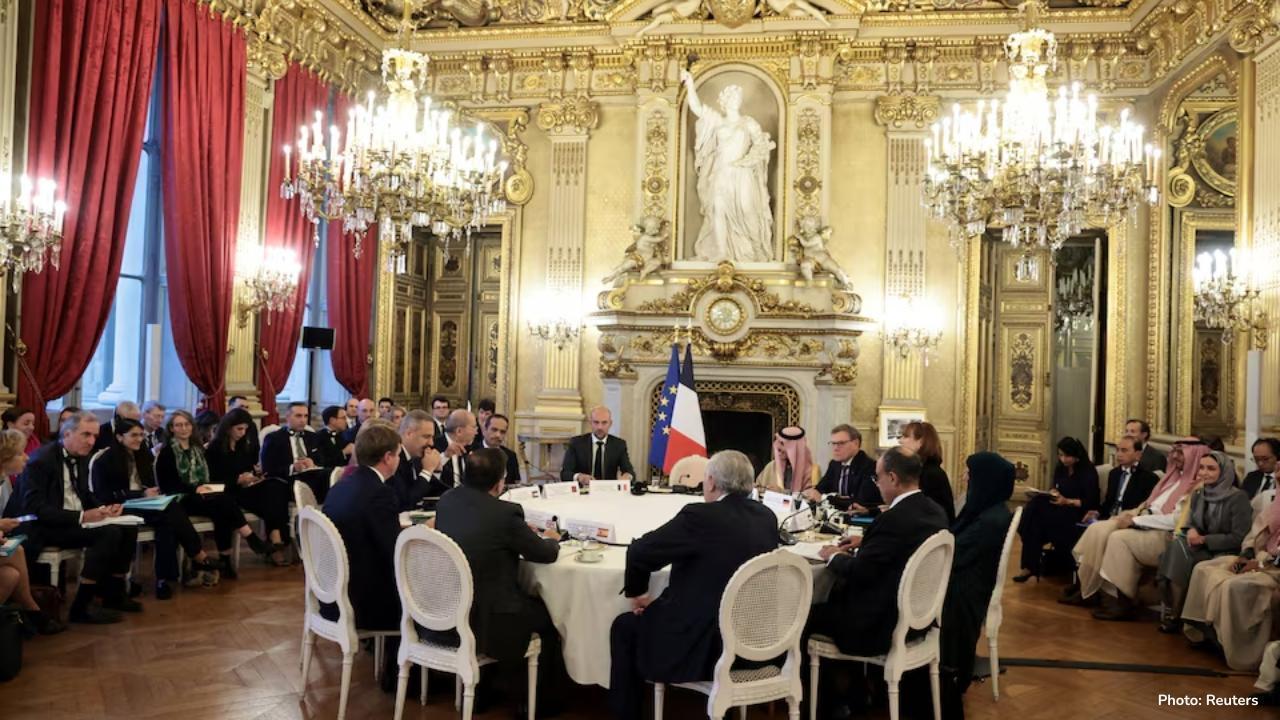
European and Arab officials met to discuss the next phase of the Gaza peace plan proposed by U.S. President Donald Trump. The meeting focused on strategies for rebuilding Gaza, supporting local communities, and ensuring long-term stability in the region.
The discussions come after a recent ceasefire between Israel and Hamas, which ended intense fighting and included agreements on prisoner exchanges and the release of hostages. While the ceasefire brought temporary calm, international actors are now working to plan the reconstruction and governance of Gaza.
Purpose of the Meeting
The Role of Trump’s Gaza Plan
While the plan has been welcomed by some, Palestinian groups like Hamas have rejected foreign control over governance, insisting that Gaza must remain under Palestinian leadership.
Challenges Facing Reconstruction
Humanitarian Focus
Officials stressed that the humanitarian needs of Gaza residents must remain a top priority. The conflict destroyed homes, schools, hospitals, and public facilities, leaving many families without basic services.
Key humanitarian goals include:
Coordination Between International Actors
Europeans and Arabs emphasized the need for cooperation between countries, international organizations, and local Palestinian authorities. Proper coordination ensures that:
Political Implications
The meeting also has political significance:
Future Steps
Europeans and Arab leaders agreed on several next steps:
The meeting between European and Arab officials represents an important step in moving from ceasefire to reconstruction and stability in Gaza.
Key points include:
The discussions highlight the complexity of post-conflict recovery but also show that international cooperation and careful planning can help Gaza move toward stability and peace.
The next phase of Trump’s Gaza plan is not just about providing aid; it is about restoring hope, improving lives, and building a foundation for lasting peace.






DAE Achieves Remarkable Growth in Q1 2026 With Record Revenue
Dubai Aerospace Enterprise announces impressive financial results for Q1 2026, reflecting a surge in

Price Increase for Sony PS5 in Southeast Asia Effective May 1
Sony announces a price increase for the PS5 across Southeast Asia starting May 1, 2026, impacting ga

Potential ‘Super El Niño’ in 2026: Understanding the Climate Risks
Could a Super El Niño emerge in 2026? Discover its implications and potential global climate impacts

Global Energy Crisis Intensifies: Markets React to Oil Supply Challenges
Markets are on edge as oil disruptions escalate, influencing prices and economic stability. Explore

Must-See Tourist Spots in London You Can't Overlook
Explore London's essential attractions, from royal landmarks to vibrant markets, ensuring an unforge

Ultimate Guide to Snagging Cheap Flights in 2026
Unlock the secrets to booking affordable flights in 2026 with insightful tips and strategies tailore




