Post by : Anees Nasser
Winter is typically fraught with respiratory ailments, but the current season brings additional complexities. Reports indicate a rise in cases of influenza, RSV, sore throats, and gastrointestinal infections across multiple regions. These outbreaks have shown early onset and rapid dissemination, attributed to changing weather patterns, busy travel hubs, and increased holiday traffic.
For those travelling, this presents a significant challenge. Places such as airports, train stations, public transport systems, and hotels can expose individuals to high levels of contagion. Even short trips carry heightened risks. A well-prepared health kit becomes essential for preventing infections, managing symptoms, and ensuring a smooth travel experience.
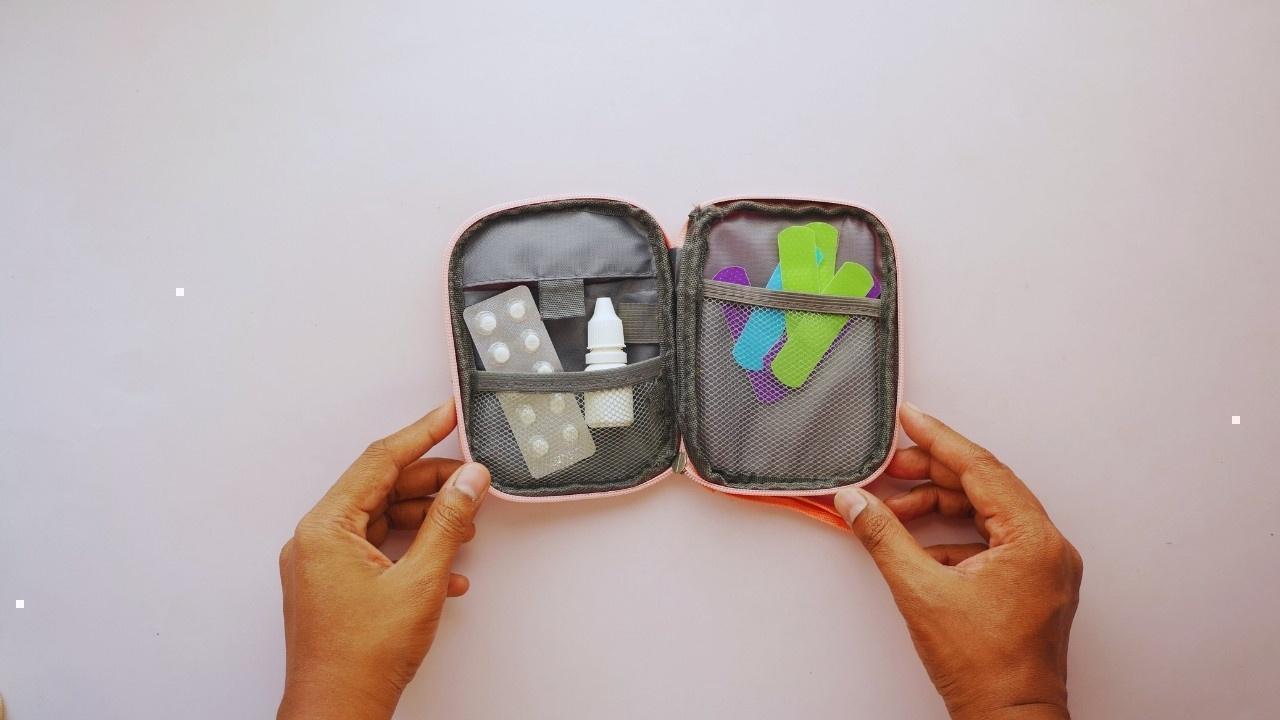
A comprehensive winter health travel kit serves not just as a basic first-aid kit but as a personalised safety asset aimed at keeping travellers healthy, comfortable, and adept at handling unforeseen incidents.
Before assembling your health kit, understanding the nature of winter travel risks is crucial:
Increased respiratory infections due to dry air and crowding indoors.
Cold temperatures compromise immunity, making individuals more susceptible.
Rapid temperature shifts can cause throat irritation and difficulty in breathing.
Dehydration and fatigue during travel weaken natural defence mechanisms.
Shared surfaces heighten the risk of illness transmission.
Equipping oneself with a targeted health kit can shield travellers from these prevalent but often avoidable complications.
Your travel health kit should be compact yet thorough. Below is a detailed guide on must-have items, their significance, and how they come in handy during travel.
Every traveller should include medications they regularly use, such as:
daily prescribed medications
medications for ongoing health issues
supplements advised by healthcare providers
inhalers, if necessary
allergy medications
It’s advisable to keep these in your carry-on luggage to avoid complications from checked baggage delays. A small organiser can ensure they are easily accessible.
Given the increase in respiratory issues, these items are vital:
Keeps nasal passages moist in dry winter air and provides comfort in dusty or cold locales.
Eases irritation caused by cold air or early signs of illness.
Relieves nasal congestion and mild respiratory discomfort.
Useful in crowded environments and on public transport, protecting those with compromised immunity.
Beneficial for very dry locales or long-haul flights.
Include medications for common winter symptoms:
fever reducers
pain relief medication
medications targeting body aches
heat patches for muscle stiffness
Winter travel often leads to muscle tightness from cold, lengthy sitting, and limited movement. These essentials ensure ongoing comfort during your journey.
Include the following:
travel-sized cough syrup
decongestant pills
cold relief capsules
herbal tea bags for soothing throat irritation
These supplies assist in managing early cold symptoms before they escalate.
Gastrointestinal infections often spike during winter due to food safety issues or sudden dietary shifts while travelling.
Consider including:
oral rehydration sachets
probiotic supplements
antacids
anti-diarrheal medication
electrolyte packs
These components are especially beneficial for long travels or trips where unfamiliar meals may disrupt digestion.
Exposure, fatigue, and varied meal patterns can diminish immunity during travels. Useful additions include:
vitamin C supplements
zinc
vitamin D
herbal blends for immune support
warming beverages like ginger tea
These aid in maintaining well-being amid varying travel conditions.
A minimal wound-care section can avert complications from minor injuries.
Include:
small adhesive bandages
antiseptic wipes
cotton pads
mild antiseptic cream
gauze
medical tape
tweezers
These become essential during outdoor activities or while exploring unfamiliar places.
These will be your first line of defence against infections:
hand sanitiser
disinfecting wipes
tissue packets
surface disinfectant spray
biodegradable soap sheets
reusable masks
Regularly sanitising is crucial as public surfaces can harbor viruses and bacteria for hours.
Winter travel may lead to dehydration, which can impact immunity. Include:
an insulated water bottle
compact thermometer
hydration sachets
lip balm
moisturiser
hand cream for dry skin
These protect against skin dryness and discomfort due to temperature extremes.
Depending on your travel destination, consider extras such as:
thermal apparel
woollen socks
gloves
heat patches
scarves
insulated face masks
hand warmers
compact travel blankets
These items aid in adapting to unexpected temperature drops and assist in avoiding colds.
Documents related to health ensure safe and smooth travel:
prescriptions
notes from physicians
health insurance particulars
emergency contacts
lists of medical conditions
digital backups on phones or cloud storage
These documents assist healthcare professionals in emergencies.
Compact tech gadgets can serve as invaluable tools:
smart thermometers
pulse oximeter (especially for at-risk travellers)
portable air purifiers
UV-C sanitation wands (optional)
These tools provide peace of mind during unanticipated health challenges.
Nutritious snacks help sustain energy levels:
protein bars
dried fruits
herbal teas
ginger chews
sugar-free mints
Winter travel can disrupt meal routines; these items help to keep energy levels steady.
To ensure functionality, avoid packing:
unnecessary medications
outdated tablets
large liquid containers
redundant supplements
items that need refrigeration
An effective kit should be practical, easy to carry, and readily accessible.
This winter’s uptick in respiratory and gastrointestinal issues has markedly altered travel behaviours. A thorough health kit equips travellers to:
prevent illnesses
react promptly to symptoms
avoid making emergency purchases in unfamiliar locations
minimise travel disruptions
maintain strong immunity through challenging conditions
Given the variability of viral activity, being proactive is essential.
Health kits can be tailored according to the type of travel:
Prioritise sanitisation, immune boosters, and fatigue relief.
Include child-friendly medications and extra sanitising supplies.
Focus on lightweight first-aid supplies and hydration essentials.
Compression socks, moisturisers, eye masks, and cough alleviators.
Sturdy wound-care kits, blister packs, and insect-repellent creams.
To ensure reliability, your winter health kit should be:
stored in a waterproof bag
packed in your carry-on
checked for refills after each trip
updated seasonally
clearly labelled for quick access
Proper organisation means quicker action in times of emergency.
Winter travel introduces specific health challenges, from respiratory flare-ups and viral outbreaks to sudden weather fluctuations and fatigue. A well-equipped health kit empowers travellers. It delivers peace of mind, ensuring safety and comfort in crowded travel areas and unfamiliar surroundings. By preparing wisely, staying informed about emerging risks, and emphasizing personal health, travellers can navigate the season with greater assurance.
Ultimately, a winter health kit is not merely a precaution; it's a crucial component of contemporary travel.
This content provides general guidance for winter travel preparation. Those with specific medical requirements or chronic conditions should consult healthcare providers for tailored advice.










Price Increase for Sony PS5 in Southeast Asia Effective May 1
Sony announces a price increase for the PS5 across Southeast Asia starting May 1, 2026, impacting ga

Potential ‘Super El Niño’ in 2026: Understanding the Climate Risks
Could a Super El Niño emerge in 2026? Discover its implications and potential global climate impacts

Global Energy Crisis Intensifies: Markets React to Oil Supply Challenges
Markets are on edge as oil disruptions escalate, influencing prices and economic stability. Explore

Must-See Tourist Spots in London You Can't Overlook
Explore London's essential attractions, from royal landmarks to vibrant markets, ensuring an unforge

Ultimate Guide to Snagging Cheap Flights in 2026
Unlock the secrets to booking affordable flights in 2026 with insightful tips and strategies tailore

The Impact of Consistent Small Investments on Wealth Building
Discover how investing small amounts regularly can positively transform your financial future over t