Post by : Anees Nasser
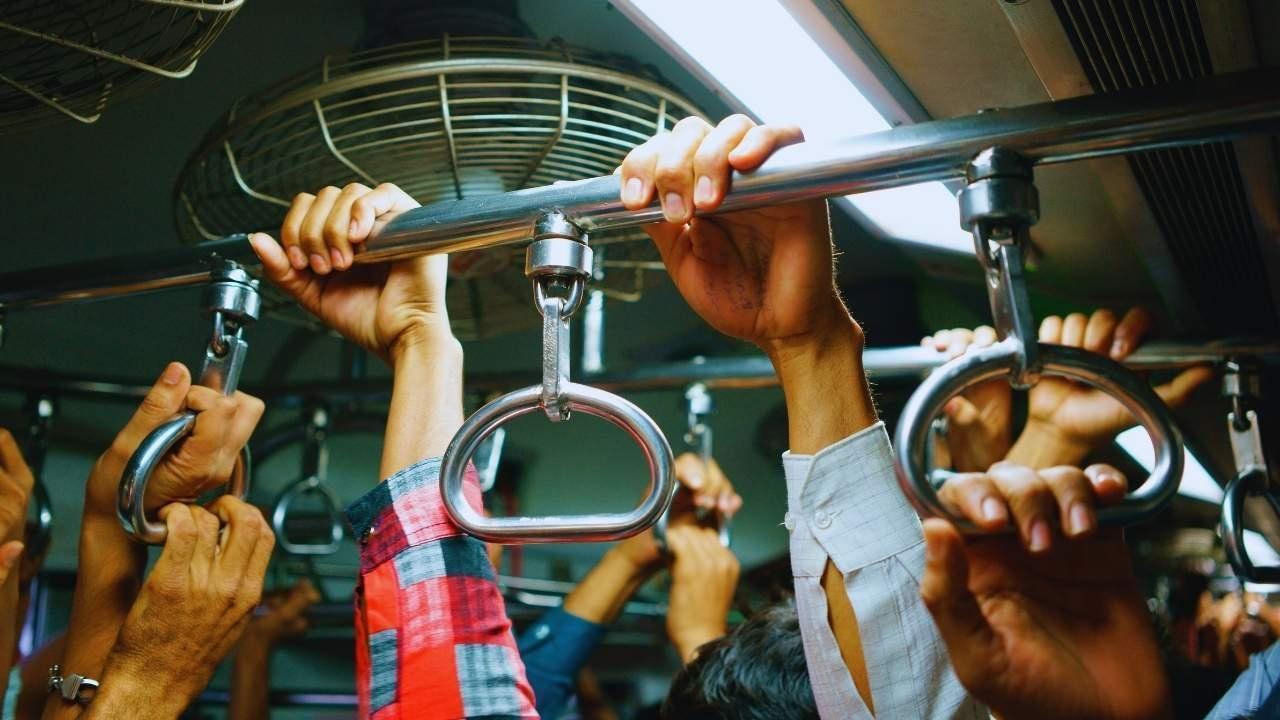
The daily commute has transformed into a significant challenge for countless individuals. Lengthy travel times, erratic traffic, overcrowded public transport, rising fuel expenses, and shifting work arrangements have made commuting more daunting than ever, morphing it from a routine task into a daily trial.
As we move deeper into 2025, with urban populations surging and transit demands on the rise, the stress linked to commuting is becoming increasingly apparent. Many commuters express that they spend more time stuck in traffic, squeezed into full trains, or managing unexpected detours, and these stressors impact their mood, productivity, family dynamics, and overall wellbeing.
Interestingly, a growing number of individuals are now choosing to combat commuting stress through practical lifestyle modifications that enable them to reclaim control over their daily routines.
Commuting stress doesn’t solely stem from delays and congested traffic. Much of it arises from the mental burdens individuals carry before even starting their workday. Waking up earlier than preferred, hurrying through morning routines, fretting about punctuality, and facing unavoidable uncertainties all contribute to heightened stress levels.
Some commuters claim that this journey reduces their energy before they even arrive at work. This emotional fatigue is frequently underestimated but critically affects everything from work performance to health.
Recognizing this mental burden is vital; upon pinpointing their specific stressors, commuters can implement intentional changes to find relief.
One effective adjustment is to wake up just a little earlier—not to rush into work tasks, but to enjoy a tranquil morning routine. Instead of diving straight into responsibilities, many are embracing a slower start, incorporating stretching, light breakfasts, or quiet moments into their mornings to alleviate the typical morning chaos.
Leaving home even a few minutes earlier can create a buffer that minimizes anxiety brought on by last-minute delays, transforming the commute into a less frenetic experience.
Morning anxiety often stems from a lack of organization. Missing items, half-packed bags, or forgotten essentials can intensify pre-commute stress.
By preparing necessary items the night before, such as clothing, bags, and meals, commuters experience a significant reduction in morning disorder. Those who prepare find themselves approaching the day with more clarity and calmness.
Many commuters instinctively opt for the quickest routes. However, the fastest option is often not the least stressful. Some choose lengthier but more predictable roads or scenic routes that offer a break from congestion. Others adjust their travel times to dodge peak hours.
Prioritizing a serene commute over speed can lead to a more peaceful mindset as the day unfolds.
Rather than viewing commuting as a chore, many are learning to embrace this time as an opportunity for a mental refresh, particularly at the end of a long workday.
During their commutes, some individuals enjoy soothing music while others prefer engaging podcasts or audiobooks, redirecting their focus away from the day's stresses. For those who savor silence, simply observing their surroundings can provide a calming effect.
The realities of commuting can trigger anxiety. Dense crowds, erratic movement, and noise levels can saturate one's mind. Utilizing simple breathing exercises—slow inhalation and controlled exhalation—can effectively calm the nervous system.
Many employ these techniques while waiting at traffic signals, walking to transit stations, or during bus rides to feel more grounded amid chaos.
Significant amounts of commuting stress arise from discomfort—heavy bags, ill-fitting shoes, and adverse weather can all contribute. Opting for lighter bags, supportive footwear, and dressing aptly for the weather can alleviate physical strains.
When one feels physically at ease, the mind often follows suit.
Overly ambitious expectations can increase stress levels. Many commuters anticipate clear roads and timely train arrivals, but reality rarely aligns with such ideal scenarios.
Accepting that delays and crowds are simply part of daily life can significantly lessen mental tension, reducing unnecessary emotional responses.
A growing trend in 2025 involves incorporating intentional walking segments into commutes. Whether it means walking to the next bus stop or taking a brief stroll post-train ride, these actions can significantly lessen stress, invigorating both body and mind.
This approach not only enhances mood but provides a buffer between work and personal life.
Dehydration is closely linked to fatigue and irritability, both of which can amplify commute-related stress. Carrying a water bottle can help mitigate these issues. Consuming light, healthy snacks such as fruits or nuts can maintain energy levels throughout a lengthy commute.
Digital distractions are significant contributors to commuting stress. Work-related messages, social media alerts, and incessant notifications clutter the mind.
Commuters are increasingly establishing boundaries: activating silent mode on their phones, refraining from checking work emails until reaching their destinations, and limiting social media engagement during travel.
Music can influence mood extensively. Calming instrumental tracks or familiar oldies often help ease stress during commutes.
Some commuters favor soothing nature sounds such as rain or ocean waves to counter urban noise, shifting their mental perception of stressful surroundings.
Some commuters choose to call close friends or family throughout their journey, transforming mundane travel into meaningful conversations. Sharing experiences can cultivate warmth and ease stress.
Mornings can be a time for mentally strategizing the day ahead. Clarity around tasks and priorities diminishes mid-day confusion and anxiety.
Evening commutes can provide a chance for unwinding and mentally disconnecting from work pressures, creating smoother transitions between work and home life.
Taking micro-breaks during commutes—such as stretching, standing comfortably while waiting, or adjusting posture—can relieve tension and enhance comfort.
Large interventions for managing stress often feel burdensome. However, small, manageable lifestyle changes can seamlessly integrate into daily routines, yielding lasting advantages.
Commuters adopting these small strategies are likely to encounter more fluid days, maintain balanced moods, and reduce emotional spikes.
Sustainable commuting embodies more than environmental concern; it extends to individual wellbeing. By implementing simple lifestyle adjustments, commutes can evolve into manageable transitions that bolster mental resilience.
The challenges of commuting will likely persist. However, through mindful adaptations, awareness, and healthy habits, individuals can face these obstacles with confidence and composure.
While the commute may never achieve perfection, it can evolve to become calmer, healthier, and more intentional.
This article is intended for general lifestyle and wellbeing purposes and does not substitute for professional medical or psychological advice. Readers should assess their personal situations before adjusting habits.










Price Increase for Sony PS5 in Southeast Asia Effective May 1
Sony announces a price increase for the PS5 across Southeast Asia starting May 1, 2026, impacting ga

Potential ‘Super El Niño’ in 2026: Understanding the Climate Risks
Could a Super El Niño emerge in 2026? Discover its implications and potential global climate impacts

Global Energy Crisis Intensifies: Markets React to Oil Supply Challenges
Markets are on edge as oil disruptions escalate, influencing prices and economic stability. Explore

Must-See Tourist Spots in London You Can't Overlook
Explore London's essential attractions, from royal landmarks to vibrant markets, ensuring an unforge

Ultimate Guide to Snagging Cheap Flights in 2026
Unlock the secrets to booking affordable flights in 2026 with insightful tips and strategies tailore

The Impact of Consistent Small Investments on Wealth Building
Discover how investing small amounts regularly can positively transform your financial future over t