Post by : Saif Nasser
Fresh drone attacks linked to the Russia-Ukraine conflict have once again increased tension in the region after reports of strikes targeting oil refinery infrastructure. The latest developments highlight how modern warfare is increasingly focused on energy facilities, transportation systems, and critical industrial sites.
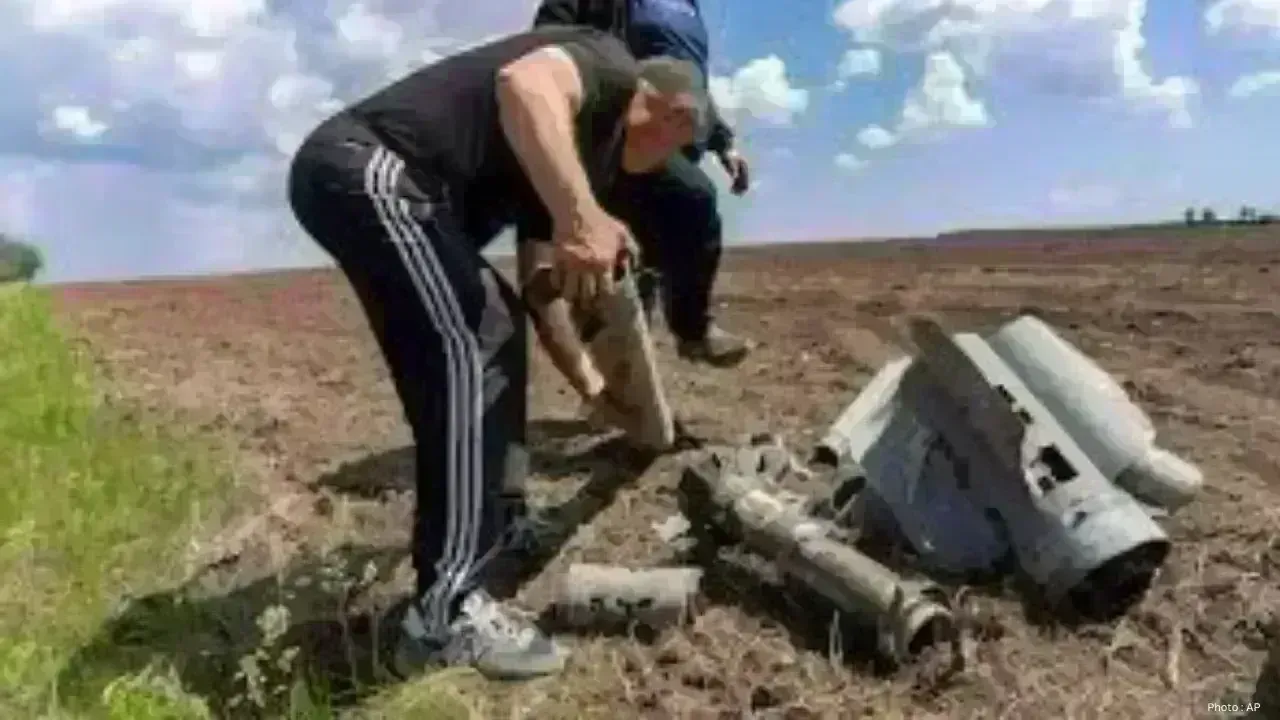
According to reports, drones targeted an oil refinery area during the continuing conflict between Moscow and Kyiv. Emergency teams and local officials responded quickly after explosions and fires were reported near the facility. Authorities later worked to control damage and secure the surrounding area.
The attack reflects the growing use of drone technology in the war. Since the conflict intensified, both Russia and Ukraine relied heavily on unmanned aerial systems for surveillance, attacks, and strategic military operations.
Oil refineries are considered highly important because they process crude oil into fuel products such as petrol, diesel, and aviation fuel. Damage to such facilities can affect fuel supply chains, industrial operations, transportation systems, and local economic activity.
The latest incident has also increased concern about energy security in the wider region. Attacks on fuel infrastructure often create market uncertainty because energy supplies play a major role in global economic stability.
The Russia-Ukraine war already caused major disruptions to international food markets, energy prices, shipping routes, and political relations. Several countries continue facing economic pressure linked to sanctions, trade restrictions, and rising transportation costs caused by the conflict.
Drone warfare became one of the defining features of the modern battlefield during this conflict. Compared to traditional military equipment, drones are cheaper, flexible, and capable of carrying out long-distance strikes with reduced direct risk to personnel.
Military analysts say the use of drones changed the nature of warfare by allowing attacks on strategic infrastructure located far from active frontlines. Refineries, military depots, transportation hubs, and energy facilities increasingly became targets because of their economic and operational importance.
The latest refinery strike also highlights the growing challenge of protecting critical infrastructure during wartime. Large industrial facilities often cover wide areas, making complete defence against aerial attacks difficult.
Local residents living near targeted areas continue facing fear and uncertainty as explosions, fires, and emergency warnings become more common. Civilians in affected regions often deal with disrupted electricity, transportation problems, and concern over personal safety.
The humanitarian impact of the Russia-Ukraine conflict remains severe. Thousands of people lost their lives, while millions were forced to leave homes since the war escalated. Entire communities continue struggling with damaged infrastructure and economic hardship.
Global energy markets reacted cautiously to reports involving attacks on oil facilities. Investors closely monitor developments because disruptions involving refineries or fuel transport can influence international oil prices and supply stability.
European countries remain especially sensitive to developments connected to energy infrastructure because the region already experienced fuel supply challenges after sanctions and changes in trade relations involving Russia.
The growing frequency of drone attacks also raises wider security concerns internationally. Several countries are now investing heavily in anti-drone defence systems and surveillance technology to protect airports, military bases, industrial facilities, and public infrastructure.
Diplomatic efforts to reduce violence continue, but negotiations between Russia and Ukraine remain difficult. Military operations across different regions show no clear signs of ending soon, increasing concern about prolonged instability.
International organizations repeatedly called for protection of civilian infrastructure and urged both sides to avoid actions that may worsen humanitarian suffering. However, attacks involving strategic facilities continue occurring as both sides attempt to weaken each other’s operational capabilities.
Economic experts warn that prolonged conflict affecting energy systems could create further global inflation pressure. Higher fuel costs eventually affect transportation, manufacturing, food production, and daily living expenses for millions of people worldwide.
The latest drone strike therefore represents more than a military operation. It reflects the growing role of technology in modern conflict and the increasing vulnerability of economic infrastructure during wartime.
Security specialists believe drone warfare may continue expanding in future conflicts because of its effectiveness and relatively lower operational cost. Governments worldwide are now carefully studying lessons from the Russia-Ukraine war to strengthen national defence planning.
As fighting continues, civilians remain the most affected by the ongoing crisis. Families across the region continue living with uncertainty, displacement, and fear while international leaders search for diplomatic solutions capable of reducing violence.
The recent attack on oil infrastructure once again demonstrates how deeply the conflict continues affecting not only military operations but also global markets, energy security, and civilian life far beyond the battlefield itself.








Anticipated Dates for UAE Eid Al Adha 2026 Unveiled by Astronomical Experts
Experts predict Eid Al Adha 2026 in the UAE to start on May 27, prompting early holiday planning amo

DAE Achieves Remarkable Growth in Q1 2026 With Record Revenue
Dubai Aerospace Enterprise announces impressive financial results for Q1 2026, reflecting a surge in

Price Increase for Sony PS5 in Southeast Asia Effective May 1
Sony announces a price increase for the PS5 across Southeast Asia starting May 1, 2026, impacting ga

Potential ‘Super El Niño’ in 2026: Understanding the Climate Risks
Could a Super El Niño emerge in 2026? Discover its implications and potential global climate impacts

Global Energy Crisis Intensifies: Markets React to Oil Supply Challenges
Markets are on edge as oil disruptions escalate, influencing prices and economic stability. Explore

Must-See Tourist Spots in London You Can't Overlook
Explore London's essential attractions, from royal landmarks to vibrant markets, ensuring an unforge




