Post by : Monika
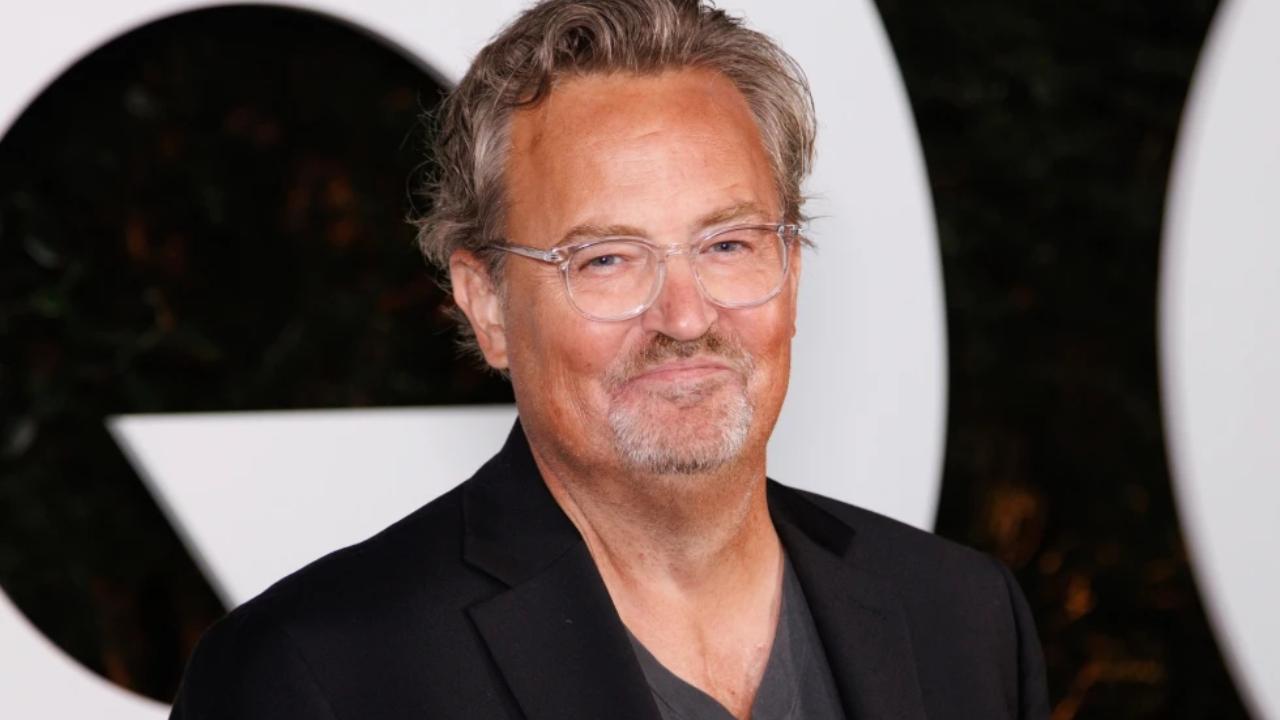
Photo: AP
Dr. Salvador Plasencia, a California doctor, has pleaded guilty in the tragic death of actor Matthew Perry. He is one of five people charged in connection with the overdose that led to Perry’s passing. This news has brought shock and sadness to fans, as well as serious questions about how powerful drugs are given and used in mental health care.
Matthew Perry was best known for playing Chandler Bing in the popular TV show Friends. He had long been open about his struggles with addiction. Sadly, on October 28, 2023, he died at his home. The official report said he died from the effects of a high dose of ketamine. The report also mentioned drowning and heart problems, but ketamine was named the main cause.
At the time, Perry was getting ketamine treatments for depression. This kind of treatment has become more common in recent years, especially for people who don’t get better with regular antidepressants. But ketamine must be given very carefully by trained doctors because it is a strong drug that can be dangerous.
What Dr. Plasencia Did
Dr. Plasencia agreed to plead guilty to four counts of giving out ketamine without proper reason or care. In return for this plea, the court dropped other charges, including three more counts of drug distribution and two for faking records. Even though he pleaded guilty, he has not been sentenced yet. He could face up to 40 years in prison, depending on what the judge decides.
Court documents shared that Dr. Plasencia did not treat Perry with the respect a patient deserves. In a message, he called Perry a "moron" and viewed him as a reliable source of money. These words show a lack of care and professionalism from someone who should have been helping Perry, not hurting him.
Others Also Involved
How This Happened
Matthew Perry was receiving ketamine treatment to help with depression. When used in small, controlled doses, ketamine can sometimes help people who have not responded to other types of treatment. However, it must be given in a medical setting with close watch, because it can easily become dangerous.
In Perry’s case, those responsible did not follow the right steps. Instead of giving care with proper checks, they gave him strong drugs freely. This is what led to his overdose and death.
The law now says that these people broke rules by giving ketamine without proper reasons, without recording things correctly, and without concern for Perry’s safety.
What We Can Learn
This heartbreaking event shows how important it is for doctors, assistants, and anyone giving medical care to act responsibly. When someone is already struggling with addiction or mental health problems, they need support—not careless treatment.
The guilty pleas show that the legal system is trying to make sure those who were careless or greedy are held accountable. But beyond that, this tragedy is a call for change in how we treat people with mental health needs.
Editorial: A Chance to Do Better
The death of Matthew Perry reminds us that even famous people with money and access to treatment can suffer when care goes wrong. Perry was not just a celebrity—he was a man who wanted to heal, but he trusted the wrong people.
Doctors have a great responsibility. Their words and actions can save lives, but they can also do harm if not done with care. This is why it is so important to have strong rules about who can give powerful medicines, when, and how.
Ketamine is a tool for healing when used properly. But without clear rules and strong monitoring, it can quickly become deadly. People like Perry, who are trying to recover from hard battles, are especially at risk.
The Bigger Picture
This case also shows how addiction and mental health care are often linked. We need systems that care for the whole person—mind, body, and heart. This means:
A Legacy of Help
After Perry’s death, his family started a foundation to help others struggling with addiction. This shows that even in deep pain, people can create something good. His memory may live on not only through his acting but through real change in how we treat mental health and addiction.
Dr. Plasencia’s guilty plea is just one part of a long process. But it is a step toward justice—not just in the courts, but in the medical world too.
We must keep asking hard questions: Are patients being treated with care? Are doctors doing their job honestly? Are there enough checks in place to stop harm before it happens?
The guilty plea by Dr. Salvador Plasencia is a clear sign that something went terribly wrong in the way Matthew Perry was treated. It’s a moment of deep sadness, but also a moment to reflect and act.
If this case leads to better laws, better training for doctors, and more careful mental health care, then Perry’s death may help save others.
We must honor his life not just by remembering his jokes and acting, but by building a world where others don’t have to suffer the same fate.










DAE Achieves Remarkable Growth in Q1 2026 With Record Revenue
Dubai Aerospace Enterprise announces impressive financial results for Q1 2026, reflecting a surge in

Price Increase for Sony PS5 in Southeast Asia Effective May 1
Sony announces a price increase for the PS5 across Southeast Asia starting May 1, 2026, impacting ga

Potential ‘Super El Niño’ in 2026: Understanding the Climate Risks
Could a Super El Niño emerge in 2026? Discover its implications and potential global climate impacts

Global Energy Crisis Intensifies: Markets React to Oil Supply Challenges
Markets are on edge as oil disruptions escalate, influencing prices and economic stability. Explore

Must-See Tourist Spots in London You Can't Overlook
Explore London's essential attractions, from royal landmarks to vibrant markets, ensuring an unforge

Ultimate Guide to Snagging Cheap Flights in 2026
Unlock the secrets to booking affordable flights in 2026 with insightful tips and strategies tailore




