Post by : Bianca Suleiman
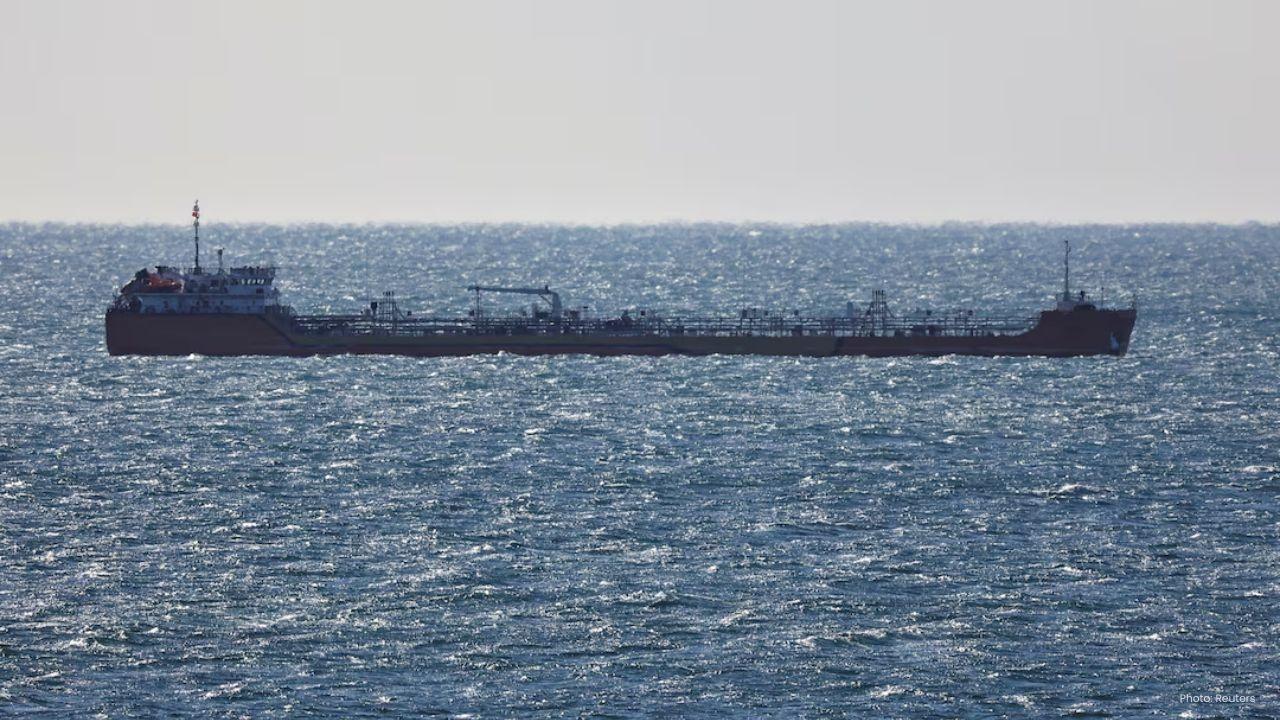
The latest round of US sanctions, effective Friday, has resulted in significant upheaval in global oil logistics, endangering nearly 48 million barrels of Russian crude stranded at sea. Tankers loaded with Rosneft and Lukoil shipments are now adrift without clear destinations, as customers rush to comply with the new regulations.
These sanctions represent Washington’s strongest attempt yet to diminish Moscow’s wartime revenue and are already altering global trade dynamics. Refiners in Asia, particularly India, are urgently seeking alternative crude supplies, causing a sharp increase in demand for oil from the Middle East. This surge has driven freight rates on essential routes to their highest levels in five years, reflecting the frantic race for replacements.
Analytics from Kpler reveals that a significant number of Russian Urals and ESPO crude shipments are stuck in limbo, with around 50 tankers initially slated for destinations in China and India. However, many vessels are now rerouting or delaying arrival as they distance themselves from sanctioned entities. The geographical spread of these ships, from the Baltic to the South China Sea, highlights the vast scale of this disruption.
Despite these developments, Russia maintains a robust export rate of approximately 3.4 million barrels per day, committed to presenting an image of stability. Thus far, global oil benchmark prices have remained relatively stable, suggesting that traders anticipate market adaptations, amidst noticeable short-term fluctuations.
Even major customers like China and India are exercising caution. Having absorbed most discounted Russian oil since 2022, they now face increasing risks of secondary sanctions, potentially affecting their banking, insurance, and logistics frameworks. As their refiners scrutinize incoming shipments, new uncertainties arise for cargoes already in transit.
Recently, tankers that altered their courses have resumed their voyages towards India. The Spirit 2, carrying about 730,000 barrels of Urals, made a U-turn near the Suez Canal earlier this month but is now back on course to India. Similarly, the Furia, another Aframax tanker's journey was redirected from the Baltic in late October, and it too has set its sights on India.
Other cases exemplify the rapid restructuring of trade routes. The Cindy, loaded with nearly 770,000 barrels of ESPO crude from Kozmino, is navigating towards Singapore and Malaysia—regions known for ship-to-ship transfers that complicate oil provenance. Meanwhile, the Fortis, originally headed for China, has altered its destination to South Korea’s Yeosu after a rare mid-voyage transfer near India.
The forthcoming days will be crucial in determining how much of Russia’s stranded crude ultimately secures a market. Currently, the oil market is under pressure, with buyers racing against time, sellers adapting their strategies, and numerous tankers caught between evolving political and commercial landscapes.








Price Increase for Sony PS5 in Southeast Asia Effective May 1
Sony announces a price increase for the PS5 across Southeast Asia starting May 1, 2026, impacting ga

Potential ‘Super El Niño’ in 2026: Understanding the Climate Risks
Could a Super El Niño emerge in 2026? Discover its implications and potential global climate impacts

Global Energy Crisis Intensifies: Markets React to Oil Supply Challenges
Markets are on edge as oil disruptions escalate, influencing prices and economic stability. Explore

Must-See Tourist Spots in London You Can't Overlook
Explore London's essential attractions, from royal landmarks to vibrant markets, ensuring an unforge

Ultimate Guide to Snagging Cheap Flights in 2026
Unlock the secrets to booking affordable flights in 2026 with insightful tips and strategies tailore

The Impact of Consistent Small Investments on Wealth Building
Discover how investing small amounts regularly can positively transform your financial future over t




