Post by : Saif Nasser
Delhi is grappling with alarming air pollution levels again, as the Air Quality Index (AQI) surpasses 300 in various neighborhoods, placing it in the “very poor” to “hazardous” range. On certain early mornings, readings have even peaked above 700 in specific areas, indicating high levels of hazardous particles that could lead to respiratory issues.
While many believe that sealing off their homes offers definitive protection, medical professionals caution that indoor environments can be polluted too. Contaminants like cleaning product chemicals, smoke, dust, damp walls, pets, and even furniture materials can compromise indoor air safety.
Bengaluru pulmonologist Dr. Sachin Kumar has shared ten straightforward and effective methods to enhance indoor air quality and safeguard the health of your family. His advice is easy to implement and doesn’t require profound lifestyle changes.
According to Dr. Kumar, inhaling polluted air exposes the body to tiny particles and gases, which can result in coughing, asthma, low oxygen levels, lung infections, heart complications, and a long-term rise in cancer risk. Vulnerable groups such as children, the elderly, and pregnant women are especially at risk. Houses with high humidity or inadequate ventilation trap pollutants inside.
To minimize risks, Dr. Kumar recommends avoiding indoor cigarette smoke, as residue on clothes and furniture can still pose dangers. Opting for solid wood furniture instead of cheaper wooden boards manufactured with chemical adhesives is wise. While cleaning with potent chemicals like bleach or glass cleaners, wearing a mask is advisable to shield the lungs from harmful vapors.
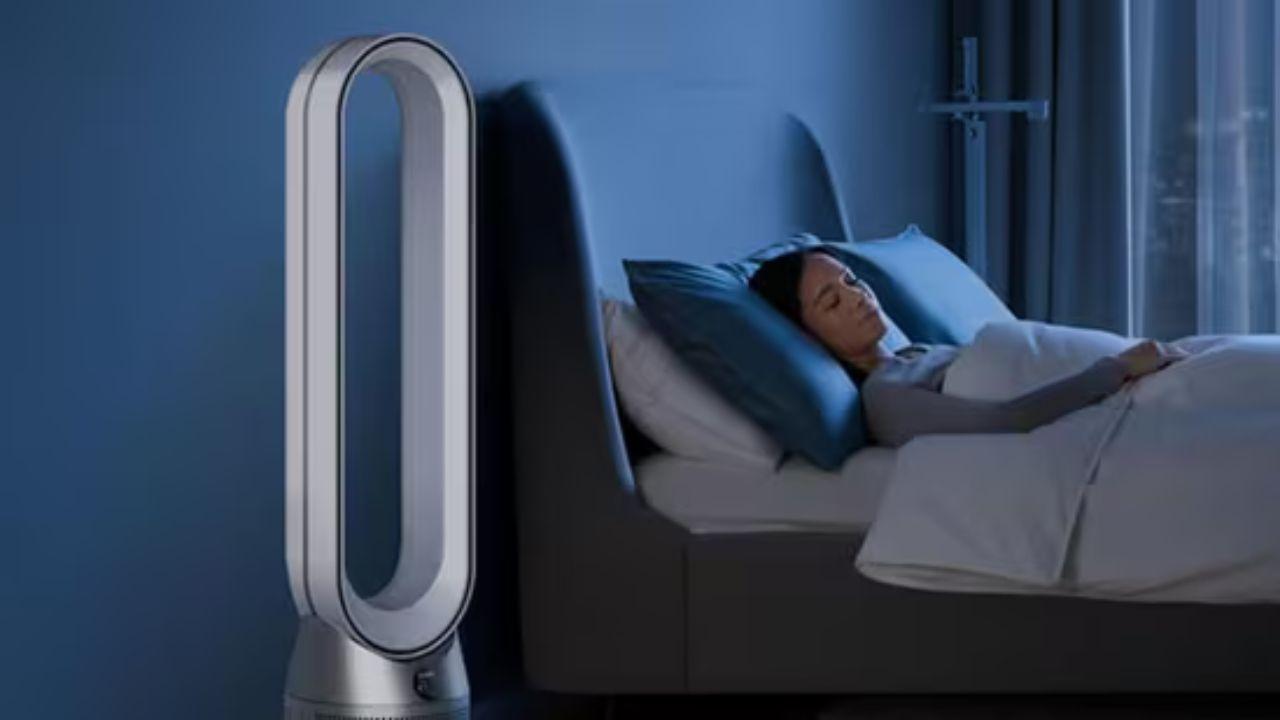
Investing in an air purifier equipped with a HEPA filter can eliminate up to 99% of dust and pollution from your space. During times of lower outdoor pollution, opening windows can facilitate better air circulation. Addressing dampness in the home is crucial, as excess moisture can spur mold and fungi that promote breathing issues. Utilizing fans, dehumidifiers, and repairing leaks can lower humidity levels.
If you have pets, regular grooming can significantly reduce dust and allergens in your home. Furthermore, using wood for indoor heating or cooking should be avoided due to the toxic smoke it releases; opting for electric or solar heaters presents safer alternatives. Certain indoor plants, such as aloe vera, peace lily, and snake plants, can naturally improve air quality.
As outdoor air quality continues to decline, maintaining healthy indoor air is crucial. Simple actions can protect lung health and promote family well-being. While long-term solutions to air pollution necessitate governmental intervention and systemic change, households can take steps to create a safer indoor environment.










DAE Achieves Remarkable Growth in Q1 2026 With Record Revenue
Dubai Aerospace Enterprise announces impressive financial results for Q1 2026, reflecting a surge in

Price Increase for Sony PS5 in Southeast Asia Effective May 1
Sony announces a price increase for the PS5 across Southeast Asia starting May 1, 2026, impacting ga

Potential ‘Super El Niño’ in 2026: Understanding the Climate Risks
Could a Super El Niño emerge in 2026? Discover its implications and potential global climate impacts

Global Energy Crisis Intensifies: Markets React to Oil Supply Challenges
Markets are on edge as oil disruptions escalate, influencing prices and economic stability. Explore

Must-See Tourist Spots in London You Can't Overlook
Explore London's essential attractions, from royal landmarks to vibrant markets, ensuring an unforge

Ultimate Guide to Snagging Cheap Flights in 2026
Unlock the secrets to booking affordable flights in 2026 with insightful tips and strategies tailore




