Post by : Raina Nasser
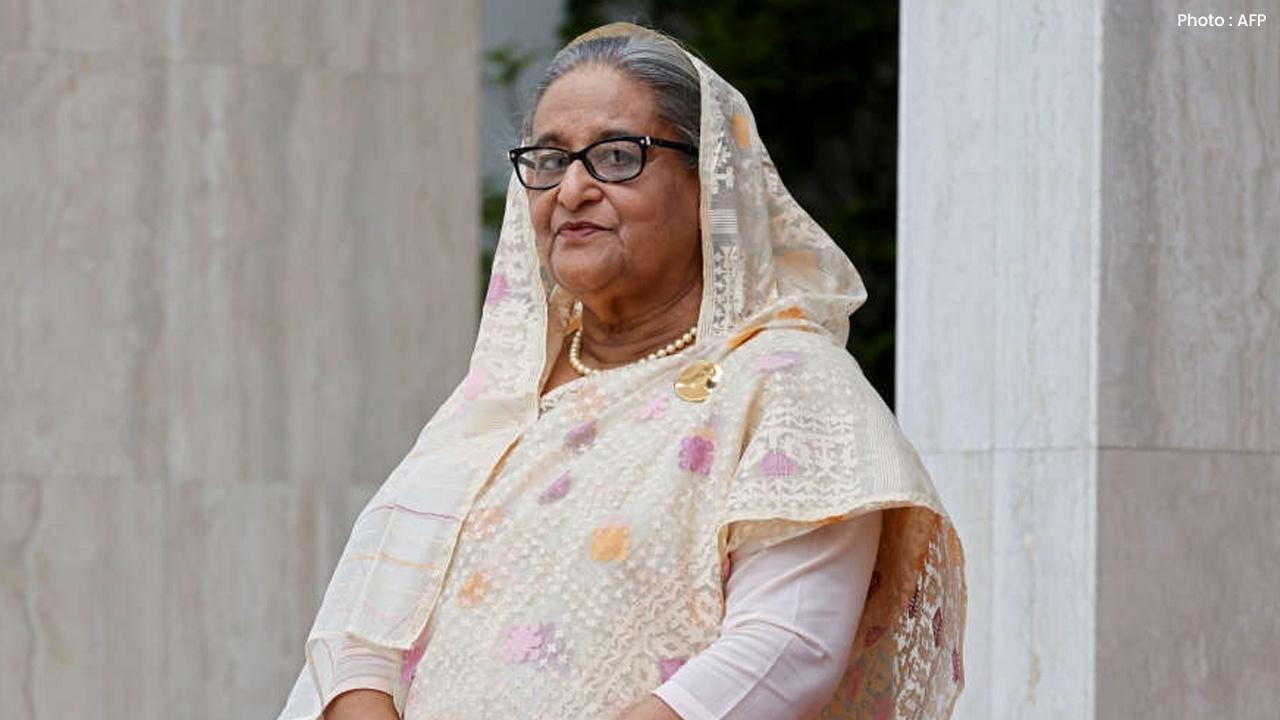
The International Crimes Tribunal in Bangladesh has pronounced a death sentence on former Prime Minister Sheikh Hasina for her involvement in last year’s student protests. The ruling was issued in Dhaka on Monday after extensive legal proceedings, marking a significant moment as the nation gears up for parliamentary elections slated for early February.
At 78 years old, Hasina has been living in India since her ouster from power in August 2024 and did not attend the judgment hearing. The court handed her a life sentence for crimes against humanity along with the capital punishment for the deaths resulting from the civil unrest. The proceedings took place under tight security and received a positive response from those present in the court. The decision can be appealed to the Supreme Court.
The Awami League party, previously led by Hasina, has already been barred from contesting in the upcoming elections, a situation that could exacerbate political strife. Her son and advisor, Sajeeb Wazed, mentioned that an appeal would only be considered if a democratically elected body permitted the Awami League to participate.
During the trial, evidence was presented claiming Hasina sanctioned the use of lethal force against demonstrators during the unrest in July and August 2024. A report from the United Nations referred to in the proceedings states that approximately 1,400 individuals may have lost their lives amidst the protests, with security forces being predominantly responsible for the casualties. This unrest marked one of the most severe episodes of violence in Bangladesh since the 1971 independence war.
Hasina’s defense, provided by a court-appointed attorney, argued that the allegations were baseless and sought her acquittal. Previously, Hasina condemned the tribunal as unfair, asserting that the outcomes were predetermined and claiming she did not directly instruct security forces during the demonstrations.
Tensions persist in the country following the verdict, with reports of at least 30 bomb detonations and multiple arson cases targeting vehicles across Bangladesh in recent days. While authorities declared there were no injuries, security forces are on high alert, especially in the capital.
An interim administration, led by Nobel laureate Muhammad Yunus, has governed Bangladesh since Hasina's departure. Although the situation has been more stable than last year's turmoil, political uncertainty looms ahead of the elections. Hasina cautioned in a recent interview that many supporters may choose to boycott the upcoming vote, raising further concerns over political engagement and the country’s stability.
In response to the verdict, paramilitary forces have been deployed throughout Dhaka, placed around key governmental buildings, the tribunal site, and other crucial locations, with officials prepared for any potential unrest.







DAE Achieves Remarkable Growth in Q1 2026 With Record Revenue
Dubai Aerospace Enterprise announces impressive financial results for Q1 2026, reflecting a surge in

Price Increase for Sony PS5 in Southeast Asia Effective May 1
Sony announces a price increase for the PS5 across Southeast Asia starting May 1, 2026, impacting ga

Potential ‘Super El Niño’ in 2026: Understanding the Climate Risks
Could a Super El Niño emerge in 2026? Discover its implications and potential global climate impacts

Global Energy Crisis Intensifies: Markets React to Oil Supply Challenges
Markets are on edge as oil disruptions escalate, influencing prices and economic stability. Explore

Must-See Tourist Spots in London You Can't Overlook
Explore London's essential attractions, from royal landmarks to vibrant markets, ensuring an unforge

Ultimate Guide to Snagging Cheap Flights in 2026
Unlock the secrets to booking affordable flights in 2026 with insightful tips and strategies tailore




