Post by : Sami Jeet
Renowned for its vibrant flavors and aromatic spices, Indian cuisine poses a challenge for many first-time diners, particularly when it comes to spice levels. However, Indian food is not predominantly spicy; numerous dishes are creamy, mild, or delicately flavored. This guide serves to clarify the range of Indian dishes, distinguishing those that are mild from the spicier varieties, helping you order with confidence based on your spice tolerance.
In Indian cooking, spice does not equate to heat. While spices are utilized for taste and aroma, chili lends heat. Many recipes incorporate spices like cumin, turmeric, and coriander without intense spiciness. Most restaurants catering to tourists can adjust the heat levels according to your preferences.
Mild selections in Indian cuisine are characterized by creamy gravies, slow-cooked sauces, and subtle spice blends, making them perfect for those who are new to Indian flavors or have a sensitivity to chili heat.
A favorite among international diners, butter chicken features a rich, creamy tomato gravy with mild spices and minimal chili heat. Its rich, slightly sweet profile makes it an excellent introduction to Indian cuisine.
This dish blends yogurt, cream, and gentle spices. Chicken korma is mildly sweet and aromatic, ideal for those looking to savor flavors without the heat.
Made from lentils cooked slowly with butter and cream, dal makhani provides a smoky and rich taste with minimal heat, making it a comforting choice popular among foreigners.
Soft Indian cottage cheese served in a creamy tomato sauce, paneer butter masala is mild and slightly sweet, often chosen by those who prefer vegetarian options with less spice.
Soft vegetable or paneer dumplings in a rich creamy gravy, malai kofta is both indulging and mild, frequently enjoyed in both home-cooked and restaurant settings.
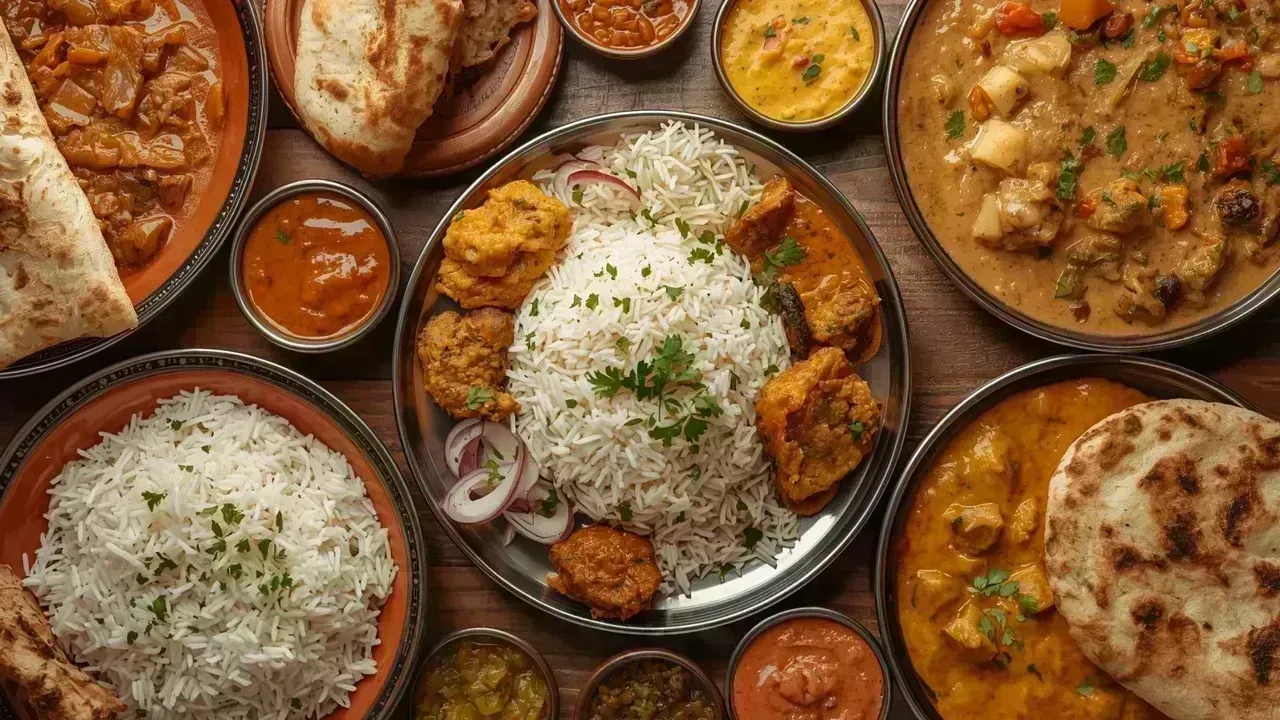
Plain steamed rice, buttery naan, and simple roti are entirely non-spicy, serving as perfect accompaniments to balance out more robust flavors.
Spicy dishes often include green chilies, chili powder, or chili paste. These meals convey strong flavors along with heat. Southern and eastern Indian cuisines typically offer hotter options.
Moderately spicy and creamy, chicken tikka masala boasts chili-based sauces. Tourist-friendly establishments usually adjust the heat upon request.
This North Indian curry combines deep flavors with moderate heat; however, diners sensitive to spiciness should consider requesting a milder version.
Recognized as a spicy staple from Goa, vindaloo features ingredients like garlic, vinegar, and red chilies and is typically not recommended for those unfamiliar with heat.
Famous for its strong flavor and significant spiciness, madras curry is a South Indian dish that may not suit those who prefer milder tastes.
This specialty from South India is known for its intense flavors and spiciness, suitable only for those who appreciate the heat.
Street food offerings vary widely in spice level. Popular bites like samosas and pav bhaji may be moderately spiced while other options like pani puri can be tailored to your preferred heat level.
When ordering, clearly state your spice tolerance. Phrases like “no spicy,” “less chili,” or “very mild” help chefs adjust the heat level to your liking. Opting for cream-laden dishes and avoiding terms like “masala” or “spicy” can also aid in your selection.
Milder, creamy flavors are generally found in North Indian dishes, while South Indian cuisine tends to emphasize spiciness. Western Indian meals balance sweet and spicy elements, while Eastern options often include mustard and subtle heat.
For newcomers, butter chicken, dal makhani, paneer butter masala, and plain rice represent some of the safest choices to explore Indian flavors.
They can enhance digestion, boost immunity, and enrich flavor without excessive use of sauces. Enjoying milder dishes still provides various health benefits without overwhelming heat.
Indian cuisine offers a wide array of mild yet flavorful options for those who are hesitant about spice. Familiarizing yourself with dish names, regional styles, and effective ordering techniques ensures a satisfying culinary adventure. With the right choices, Indian food can be both delightful and memorable.
Spice levels can vary significantly depending on region, restaurant, and personal preparation style. Always articulate your spice preference when placing your order. This guide serves informational purposes only.










Anticipated Dates for UAE Eid Al Adha 2026 Unveiled by Astronomical Experts
Experts predict Eid Al Adha 2026 in the UAE to start on May 27, prompting early holiday planning amo

DAE Achieves Remarkable Growth in Q1 2026 With Record Revenue
Dubai Aerospace Enterprise announces impressive financial results for Q1 2026, reflecting a surge in

Price Increase for Sony PS5 in Southeast Asia Effective May 1
Sony announces a price increase for the PS5 across Southeast Asia starting May 1, 2026, impacting ga

Potential ‘Super El Niño’ in 2026: Understanding the Climate Risks
Could a Super El Niño emerge in 2026? Discover its implications and potential global climate impacts

Global Energy Crisis Intensifies: Markets React to Oil Supply Challenges
Markets are on edge as oil disruptions escalate, influencing prices and economic stability. Explore

Must-See Tourist Spots in London You Can't Overlook
Explore London's essential attractions, from royal landmarks to vibrant markets, ensuring an unforge




