
Post by : Bianca Suleiman
In October, China’s economic performance showed signs of stress, with factory output and retail sales registering their slowest growth in over a year. This decline raises alarms for policymakers striving to navigate the $19 trillion economy through decreasing domestic demand and persistent trade friction with the U.S.
Industrial output only increased by 4.9% year-on-year in October, representing the lowest growth since August 2024. This result fell short of analysts’ expectations of a 5.5% rise and saw a dramatic drop from September’s 6.5%. Retail sales, which serve as a crucial indicator of consumer spending, rose merely 2.9%, the slowest rate since last August, coming just above the forecasted 2.8% but still falling short of September’s 3.0%.
Although the Singles’ Day shopping event usually boosts consumer activity, general sentiment remains low. Car sales, which often perform well in the fourth quarter, declined for the first time in eight months, indicating that even government incentives are not effectively enhancing domestic demand.
Investment trends present additional causes for concern. Fixed asset investments fell by 1.7% in the first ten months of this year, significantly more than the expected drop of 0.8%. Investors are experiencing low confidence, exacerbating existing structural issues such as ongoing local government debt and a sluggish property market, with home prices continuing to decrease.
China’s leadership has recognized the necessity of balancing industrial progression with the stimulation of household consumption. However, the economy’s strong dependence on significant infrastructure initiatives and state-owned entities implies that policymakers may be cautious in implementing aggressive stimulus strategies right away. With an aimed growth target of about 5% for the year, it seems the government is inclined to allow structural adjustments to unfold steadily.
This economic slowdown highlights the difficulties of maintaining growth in light of complicated domestic pressures and external trade threats. Analysts observe that while there is potential for policy intervention, the government is likely prioritizing long-term reforms over immediate solutions, with the aim of enhancing household spending while keeping industrial output intact.








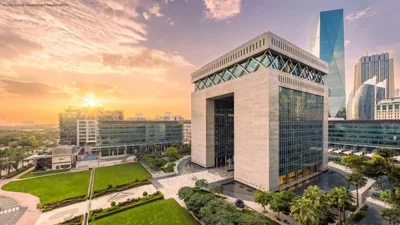

DAE Achieves Remarkable Growth in Q1 2026 With Record Revenue
Dubai Aerospace Enterprise announces impressive financial results for Q1 2026, reflecting a surge in

Price Increase for Sony PS5 in Southeast Asia Effective May 1
Sony announces a price increase for the PS5 across Southeast Asia starting May 1, 2026, impacting ga

Potential ‘Super El Niño’ in 2026: Understanding the Climate Risks
Could a Super El Niño emerge in 2026? Discover its implications and potential global climate impacts

Global Energy Crisis Intensifies: Markets React to Oil Supply Challenges
Markets are on edge as oil disruptions escalate, influencing prices and economic stability. Explore

Must-See Tourist Spots in London You Can't Overlook
Explore London's essential attractions, from royal landmarks to vibrant markets, ensuring an unforge

Ultimate Guide to Snagging Cheap Flights in 2026
Unlock the secrets to booking affordable flights in 2026 with insightful tips and strategies tailore




