Post by : Saif Nasser
China has announced that it is carefully studying the recent decision by the United States Supreme Court regarding tariffs. At the same time, Beijing has urged Washington to remove what it calls unilateral trade measures placed on other countries.
The statement from China’s commerce ministry came shortly after the U.S. Supreme Court struck down many of the tariffs introduced during President Donald Trump’s global trade campaign. The court ruling was seen as a major legal setback for the tariff policy that had affected several countries, including China.
However, the situation changed quickly. Within hours of the decision, President Donald Trump said the United States would introduce a new 10 percent tariff on imports from all countries. A few days later, that rate was raised to 15 percent. This sudden move has added fresh uncertainty to global trade.
China’s commerce ministry said it is making a “full assessment” of the court’s decision and its possible impact. The ministry also stated that unilateral tariffs violate international trade rules and even U.S. domestic law. According to Beijing, such measures do not serve the interests of any party.
China has long argued that trade disagreements should be solved through discussion and cooperation rather than through tariffs. During earlier rounds of trade tensions between the two countries, both sides imposed heavy duties on each other’s goods. Those actions disrupted supply chains and raised costs for businesses and consumers.
The ministry also noted that the United States appears ready to keep certain tariffs in place through alternative methods, including trade investigations. China said it would continue to monitor the situation closely and take steps to protect its own economic interests.
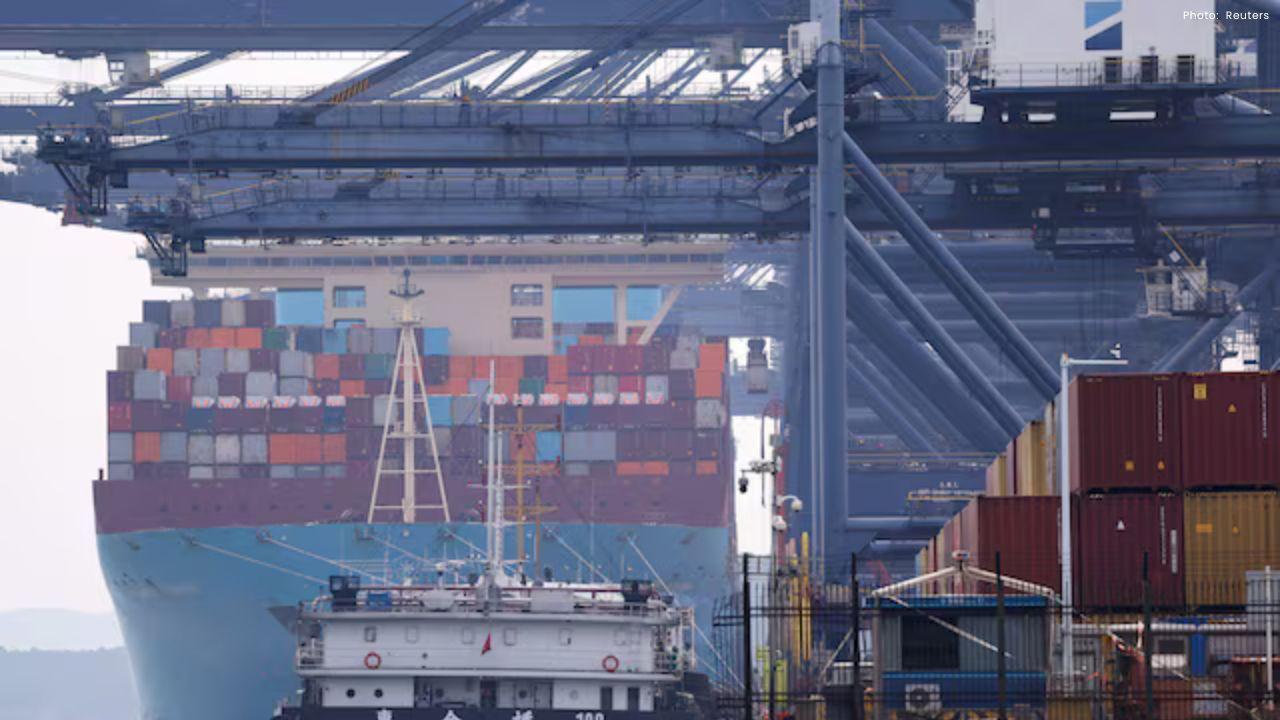
Trade between the United States and China is one of the largest economic relationships in the world. The two nations are deeply connected through exports, imports, investments, and supply chains. When trade tensions rise between them, global markets often feel the effects.
Tariffs are taxes placed on imported goods. When these taxes increase, the price of goods can rise. This can affect everyday products such as electronics, clothing, machinery, and food items. Businesses that rely on imported materials may face higher costs, and those costs are sometimes passed on to consumers.
The recent court decision raised questions about the legal limits of tariff policy in the United States. While the Supreme Court struck down several earlier measures, the new tariffs announced by the administration show that trade policy remains a key political issue.
China’s response has been firm but calm. By saying it is conducting a full review, Beijing is signaling that it wants to understand the legal and economic details before making further decisions. At the same time, it has clearly expressed its opposition to unilateral trade actions.
Another important development is the planned visit by President Trump to China from March 31 to April 2. The meeting between the leaders of the two largest economies in the world is expected to focus on trade, economic cooperation, and global stability.
This upcoming visit could play a crucial role in shaping the future of U.S.-China trade relations. Many businesses and investors are hoping for positive discussions that may reduce tension and provide clearer direction.
For now, China’s message is simple. It believes that tariffs should not be used as a tool to pressure trading partners. Instead, it supports dialogue and negotiation as the best path forward.
The coming weeks will show whether both countries can manage their differences through talks or whether new tariff disputes will emerge. In today’s connected global economy, stable trade policies are important not only for the United States and China but for the entire world.






Elevate Your Mornings: 7 Protein-Packed Breakfast Ideas
Discover 7 quick and nutritious high-protein breakfasts to keep you energized and focused throughout

Unlocking Wellness in the UAE: 7 Transformative Habits
Explore 7 effective wellness practices inspired by the UAE lifestyle for a healthier, happier life.

Starbucks Engages Boyu Capital for Major Chinese Expansion
Starbucks teams up with Boyu Capital, selling a majority stake to boost growth and adapt to the Chin

Three Individuals Charged in Massive Meth Trafficking Case in Malaysia
In Malaysia, a married couple and another suspect are charged with trafficking 510kg of meth, facing

Singapore Police Revisit Geylang Murder Scene with Suspect
In Geylang, police return a murder suspect to the scene of a crime involving the fatal stabbing of a