Post by : Anees Nasser
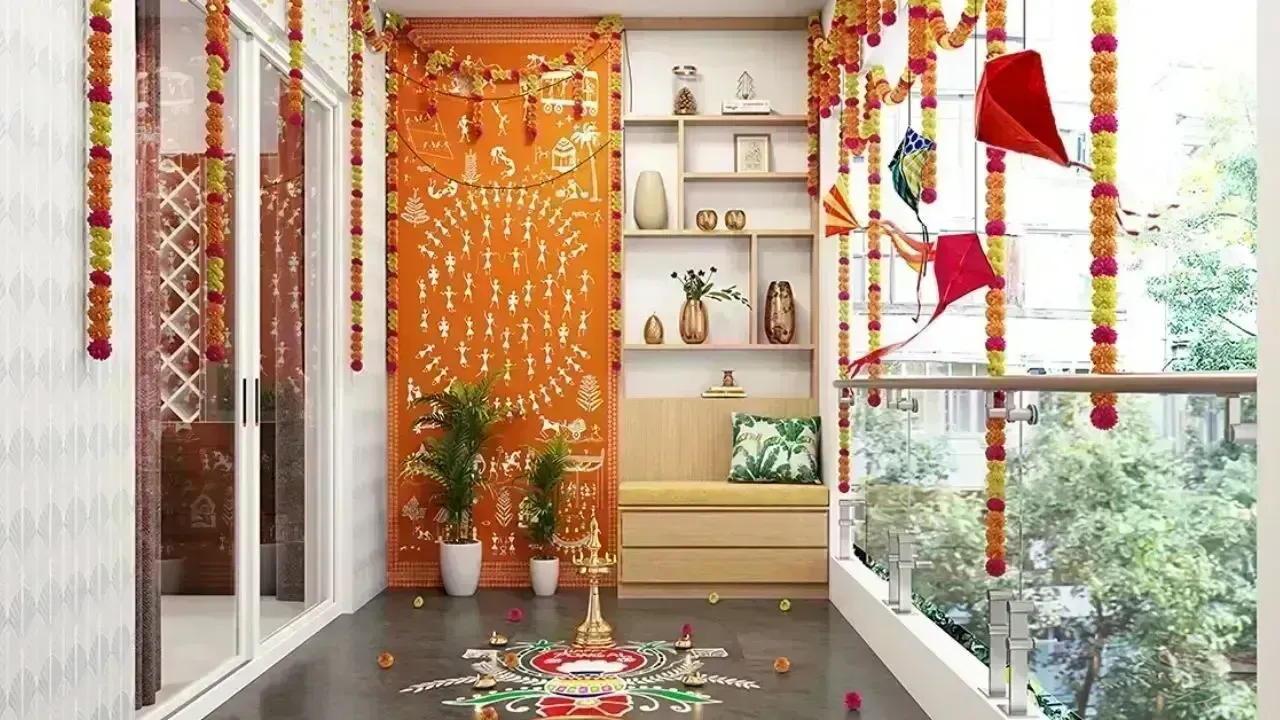
Makar Sankranti, taking place annually around January 14, heralds the sun’s entry into Capricorn, symbolizing gratitude, harvest abundance, and a shift towards longer days. While conventional decorations often feature vibrant rangoli, lights, and garlands, contemporary celebrations are pivoting towards eco-conscious choices. Families across India are now opting for biodegradable materials, reusable resources, and handcrafted decor, marrying festivity with environmental stewardship.
This shift is driven by a growing recognition of how traditional synthetic decor—like plastic bunting and chemical dyes—leads to waste and environmental harm. In seeking meaningful celebrations, many families now prefer biodegradable, locally sourced, and sustainably crafted materials that allow them to celebrate without compromising the planet.
To fully appreciate the decor ideas, one must reflect on the deep philosophical roots of Makar Sankranti. This festival not only marks agricultural prosperity and seasonal change but also reveals a profound connection between humanity and the natural environment. Opting for sustainable decor becomes an expression of appreciation for nature’s generosity and an active commitment to its protection.
From the colorful kite festivals in Gujarat to the rich harvest customs of Tamil Nadu, regional festivities blend tradition with personalized expressions. By adorning homes and communal spaces with eco-friendly decorations, families uphold their cultural rituals while promoting environmental values.
The most effective method for sustainable festival decoration is to employ natural, biodegradable materials capable of returning to the Earth post-celebration. Fresh flowers, leaves, and natural fibers enhance beauty while being compostable, thereby minimizing waste and environmental impact.
Noteworthy natural elements consist of:
Fresh flowers and petals for decorative garlands and centerpieces.
Green leaves or mango leaf strings used to embellish entryways.
Dry leaves, seeds, or grains artistically arranged for altar presentations.
Natural fabrics such as cotton or jute for reusable bunting and decorative drapery.
These materials encapsulate the spirit of the harvest while addressing the need for responsible celebration practices.
Using traditional clay and terracotta items lends a rustic charm that surpasses synthetic alternatives. Items like clay lamps, pots, and crafted designs can be reused annually, thereby becoming sustainable décor choices.
Attributes of clay decorations include:
Durability for repeated use
Natural degradation
Symbolic ties to Indian agricultural customs
These pieces bring warmth and significance to home decor without causing synthetic waste.
Rangoli holds a crucial role in Makar Sankranti decor across various regions. Creating it with natural powders and grains promotes an eco-friendly approach rooted in harvest symbolism. Suitable materials include:
Rice flour and pulses
Crushed flower petals
Turmeric or natural color powders
Seeds and grains arranged for symbolism
These materials are child and pet-safe as they decompose naturally without leaving toxic residues.
Steps for DIY rangoli include:
Lightly sketch your design with chalk.
Fill your design pattern with rice flour or crushed petals.
Outline the patterns with grains or seeds to symbolize prosperity.
Add clay diyas around your design for added light.
This process not only fosters creativity but also deepens one's connection to the festival's agricultural roots.
Utilizing old paper to create festive items such as buntings, lanterns, kites, or decorative cutouts is an excellent way to recycle materials typically discarded. Recycled paper crafts can be designed with basic tools and decorated using leftover paints or natural dyes, bypassing the need for plastic or new synthetic products.
Crafting ideas include:
Assembling origami kites or birds that represent the Sankranti skies.
Creating traditional motif cutouts for banners.
Making garlands with strips of recycled fabric or paper.
These activities encourage family participation, especially with children, turning decoration into an enjoyable group experience that fosters sustainability awareness.
Repurposing common household goods extends their lifecycle and helps mitigate waste. With a bit of creativity, everyday items can be integrated into festive displays:
Old glass jars can be painted or wrapped in jute to create decorative lanterns.
Worn fabrics can be sewn into simple bunting or cushions.
Cardboard boxes can be fashioned into trays or display stands.
This practice fosters both creativity and resourcefulness while endorsing sustainable consumption habits that resonate beyond the festival period.
Investing in reusable decorations—like cloth bunting, terracotta figures, or handcrafted wooden pieces—ensures that future Sankranti celebrations are both festive and sustainable. Over time, these items become part of family legacies, enriching the significance across generations.
Gift-giving can seamlessly integrate into the decorative theme when approached with sustainability in mind. Instead of heavily packaged items, families can display edible treasures or reusable gifts within the decor, such as:
Bundles of sugarcane sticks and seasonal grains.
Baskets filled with sesame seeds, jaggery, and dried fruit.
Cloth-wrapped sweets or handmade gift sets.
Arranging these thoughtfully on tables, shelves, or entryways results in visually appealing decor that serves a dual purpose while minimizing packaging waste.
Decorating for Makar Sankranti presents an opportunity to delve into the festival's richer meanings—gratitude for the harvest, reverence for nature, and communal sharing. By incorporating sustainable materials, activities, and traditions, families celebrate while honoring the environment.
Rather than considering decor as mere embellishment, it transforms into a symbol of cultural heritage and mindful living—a reminder that happily celebrating and environmental care can coexist harmoniously.
Sustainable Makar Sankranti decor signifies a considerate evolution of traditional festivities. By embracing natural supplies, engaging DIY activities, reusing items, and investing in durable elements, families can create a home that embodies the festival’s foundations—gratitude, renewal, and harmony with nature.
Opting for eco-friendly decor not only lessens environmental footprints but also reinforces personal bonds with cultural practices. As sustainability principles become more interwoven with festive customs, celebrations evolve into joyous gatherings that also encourage future generations to value both culture and the Earth.
Disclaimer:
This article serves informational and cultural purposes only. Local customs and practices may differ. Readers are encouraged to adapt these suggestions based on personal preferences and local environmental standards.










Anticipated Dates for UAE Eid Al Adha 2026 Unveiled by Astronomical Experts
Experts predict Eid Al Adha 2026 in the UAE to start on May 27, prompting early holiday planning amo

DAE Achieves Remarkable Growth in Q1 2026 With Record Revenue
Dubai Aerospace Enterprise announces impressive financial results for Q1 2026, reflecting a surge in

Price Increase for Sony PS5 in Southeast Asia Effective May 1
Sony announces a price increase for the PS5 across Southeast Asia starting May 1, 2026, impacting ga

Potential ‘Super El Niño’ in 2026: Understanding the Climate Risks
Could a Super El Niño emerge in 2026? Discover its implications and potential global climate impacts

Global Energy Crisis Intensifies: Markets React to Oil Supply Challenges
Markets are on edge as oil disruptions escalate, influencing prices and economic stability. Explore

Must-See Tourist Spots in London You Can't Overlook
Explore London's essential attractions, from royal landmarks to vibrant markets, ensuring an unforge




