Post by : Shweta
China has firmly denounced the recent sanctions initiated by the United States against several of its oil refineries accused of sourcing Iranian crude. The Chinese government decried these measures as unjust, inconsistent with international law, and an infringement on standard trade relations with other nations.
This dispute arose as the U.S. ramped up pressure on Iran’s oil sector amid its broader campaign of sanctions against Tehran. Washington alleges that multiple Chinese entities and independent refineries are facilitating the sale of significant amounts of oil from Iran, countering existing global restrictions. U.S. authorities assert that this oil trade supplies crucial revenue for the Iranian administration amid escalating Middle Eastern tensions.
In response, the Ministry of Commerce of China proclaimed that the nation would not abide by the U.S. sanctions. Their official statement emphasized, "the U.S. actions will not be acknowledged, enacted, or observed," as they infringe upon lawful commercial practices and compromise international trade dynamics. Beijing further asserted that unilateral sanctions lacking United Nations endorsement are intolerable.
The imposed sanctions specifically target five Chinese refineries associated with Iranian oil imports, including Hengli Petrochemical in Dalian, along with several independent 'teapot' refineries predominantly located in Shandong province. The term 'teapot refinery' refers to smaller private oil companies in China known for sourcing discounted crude from nations facing sanctions, including Iran and Russia.
U.S. officials allege that some of these firms have imported millions of barrels of Iranian crude via complex shipping and trading schemes. These entities are also accused of utilizing concealed supply chains, ship-to-ship transfers, and deceptive shipping documentation to obscure the oil's origin. The U.S. Treasury Department highlighted that these practices bolster Iran’s capacity to generate billions from oil exports despite significant international scrutiny.
Contrarily, China has defended its energy partnership with Iran, insisting that regular trade cooperation should not be politicized. Officials have cautioned that the sanctions could disrupt global supply chains and elevate instability in international energy sectors. Moreover, Beijing pledged to take essential measures to safeguard the interests of its businesses impacted by these restrictions.
This situation intensifies the existing strain in U.S.-China relations. The two countries have found themselves at odds over various matters in recent years, ranging from trade policies and technological restrictions to Taiwan and geopolitical maneuvering in Asia and the Middle East. Analysts predict that this latest sanctions contention may further complicate diplomatic engagements between Washington and Beijing.
Experts indicate that China continues to be one of the foremost importers of Iranian oil, attributed to the often lower prices of Iranian crude compared to other sources. Numerous independent refineries in China rely on these discounted imports to sustain profitability, particularly during downturns in domestic fuel demand and declining refining margins.
Reports indicate that tanker shipments of Iranian oil to China have persisted despite intensifying U.S. sanctions. Industry analysts claim that these transactions have grown increasingly clandestine, with certain shipments rebranded as originating from other nations before arrival at Chinese ports.
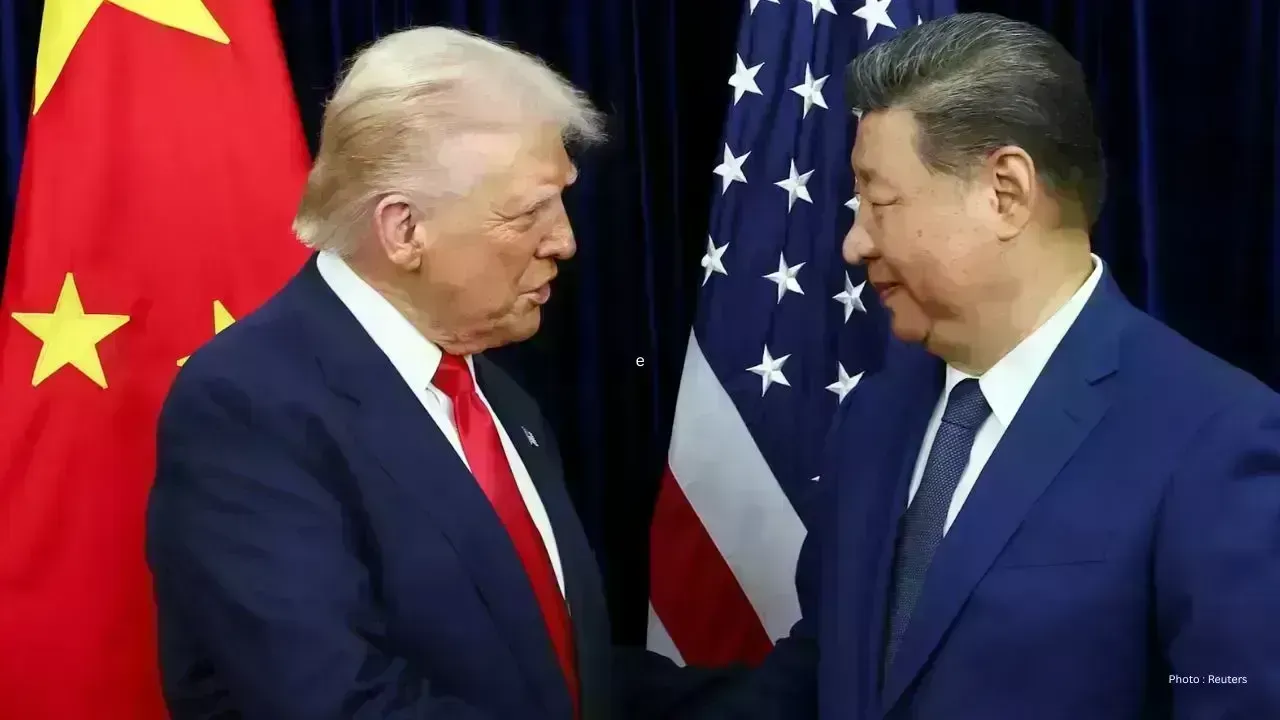
This latest rift comes at a critical juncture for global diplomacy, as U.S. President Donald Trump is slated to engage in talks with Chinese President Xi Jinping later this month. Observers speculate that the sanctions and tensions surrounding energy trade could feature prominently in their discussions, influencing the broader diplomatic landscape.



Meta Unveils Subscription Plans for Instagram, Facebook, and WhatsApp
Meta introduces new subscription plans for users of Instagram, Facebook, and WhatsApp, featuring enh

Suvarna Joy on Education Leadership, Resilience, and Building Purpose Through Adversity in the UAE
Suvarna Joy shares her journey of education leadership, motherhood, faith, and resilience within the

Anticipated Dates for UAE Eid Al Adha 2026 Unveiled by Astronomical Experts
Experts predict Eid Al Adha 2026 in the UAE to start on May 27, prompting early holiday planning amo

DAE Achieves Remarkable Growth in Q1 2026 With Record Revenue
Dubai Aerospace Enterprise announces impressive financial results for Q1 2026, reflecting a surge in

Price Increase for Sony PS5 in Southeast Asia Effective May 1
Sony announces a price increase for the PS5 across Southeast Asia starting May 1, 2026, impacting ga

Potential ‘Super El Niño’ in 2026: Understanding the Climate Risks
Could a Super El Niño emerge in 2026? Discover its implications and potential global climate impacts




