Post by : Raina Nasser
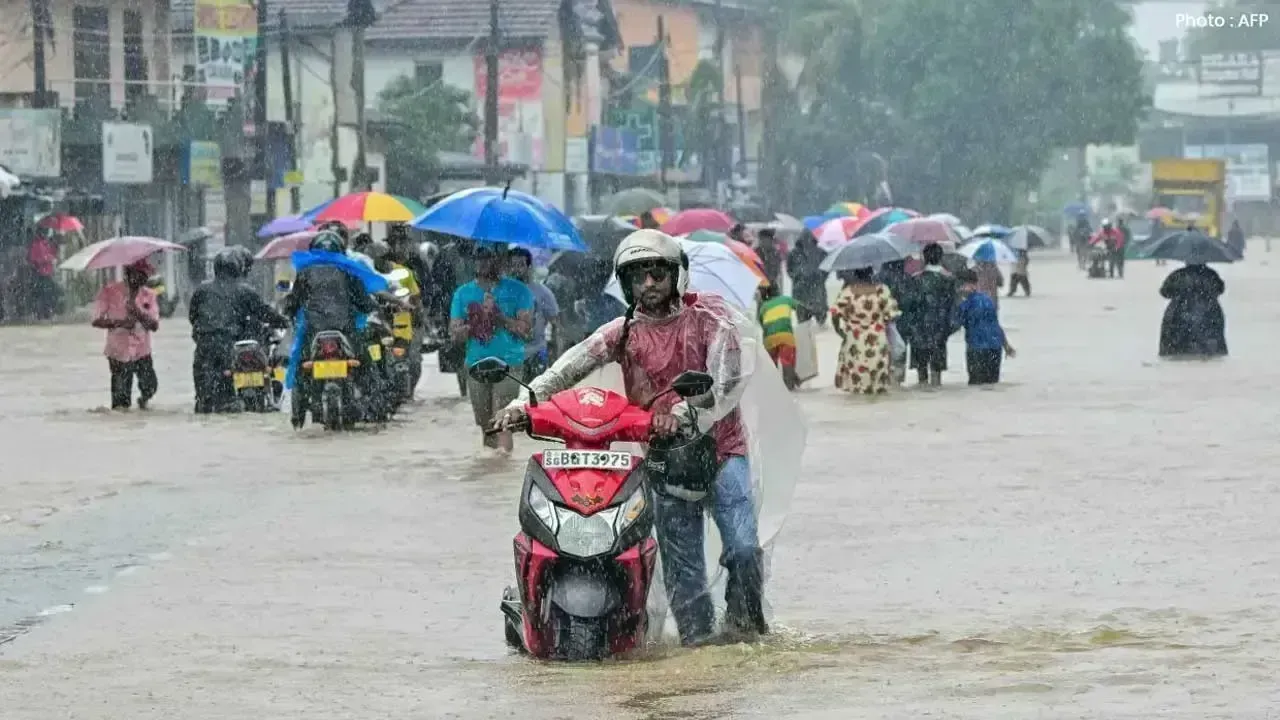
Sri Lanka is grappling with one of its most catastrophic flooding events in recent memory, as the death toll surges to 69 with an additional 34 individuals still reported missing. The torrential rains have wreaked havoc across the island, causing extensive damage to homes and forcing thousands to flee to temporary shelters.
In response to this crisis, military troops, helicopters, and naval vessels have been dispatched to safety rescue efforts, pulling stranded residents from rooftops and treetops in areas inundated with water and mudslides. The Disaster Management Centre (DMC) reported tragic instances of victims in the central regions being buried alive by mudslides, underscoring the severity of the crisis.
Rainfall amounts have been staggering, with certain regions experiencing up to 360 millimeters within just 24 hours. The Kelani River, flowing towards the Indian Ocean near Colombo, has breached its banks, exacerbating the flooding situation. Local residents have termed the circumstances as unparalleled, with V. S. A. Ratnayake, a local from Kaduwela, recalling, "This could be the most devastating flood in our area for the past thirty years. I remember a flood from the 1990s when my home was submerged under seven feet of water."
Damage has been far-reaching, with over 18,000 people relocated into temporary accommodations. An Air Force helicopter notably rescued a man in Anuradhapura who had climbed a coconut tree to escape rising waters.
Authorities are advising residents that more rains are anticipated due to Cyclone Ditwah tracking from Sri Lanka’s north towards southern India, warning that flood levels may exceed those recorded in 2016, which claimed 71 lives nationwide.
Indian Prime Minister Narendra Modi has expressed his sympathy to victims’ families and affirmed that India is dispatching critical assistance. "We are prepared to provide further support as the situation develops," he remarked.
The floods have also significantly impacted tourists in the central tea-growing regions, prompting many to be evacuated to Colombo for their safety. While Sri Lanka relies on monsoon rains for hydroelectric power and agricultural irrigation, experts caution that climate change is amplifying the intensity and frequency of such flooding events.
This disaster marks the highest toll from weather-related incidents since June of the previous year, when heavy rains resulted in 26 fatalities. The most severe flooding of the century occurred in June 2003, taking 254 lives.
As rescue efforts persist, officials are emphasizing the need for residents' vigilance and cooperation to facilitate relief operations. The government, military, and disaster management teams continue to put forth maximum effort to save lives and mitigate further devastation.









Price Increase for Sony PS5 in Southeast Asia Effective May 1
Sony announces a price increase for the PS5 across Southeast Asia starting May 1, 2026, impacting ga

Potential ‘Super El Niño’ in 2026: Understanding the Climate Risks
Could a Super El Niño emerge in 2026? Discover its implications and potential global climate impacts

Global Energy Crisis Intensifies: Markets React to Oil Supply Challenges
Markets are on edge as oil disruptions escalate, influencing prices and economic stability. Explore

Must-See Tourist Spots in London You Can't Overlook
Explore London's essential attractions, from royal landmarks to vibrant markets, ensuring an unforge

Ultimate Guide to Snagging Cheap Flights in 2026
Unlock the secrets to booking affordable flights in 2026 with insightful tips and strategies tailore

The Impact of Consistent Small Investments on Wealth Building
Discover how investing small amounts regularly can positively transform your financial future over t