Post by : Shweta
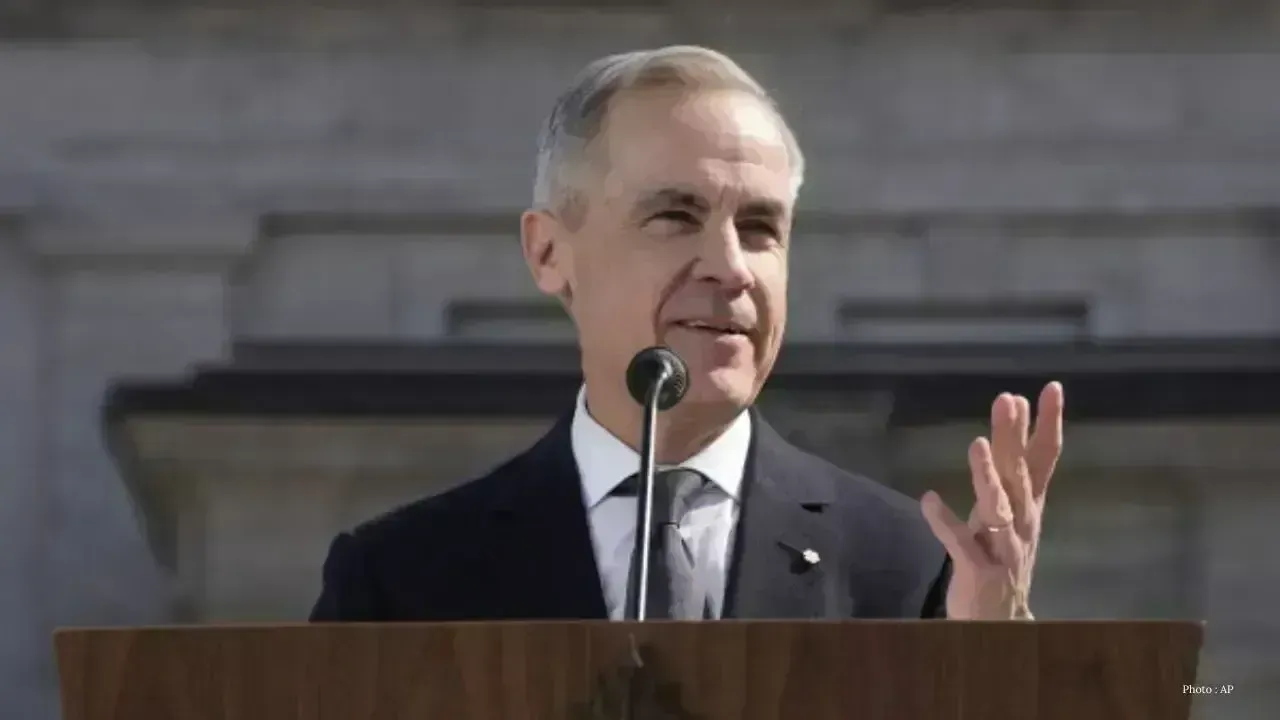
Prime Minister Mark Carney's government has chosen to pause its planned environmental reforms in light of substantial input from Indigenous communities, environmental organizations, industry stakeholders, and the general public. This decision signifies a notable adjustment in the government's timeline for implementing significant updates to Canada's environmental review and project approval processes.
Originally, these reforms aimed to expedite the approvals for large-scale infrastructure and economic development projects across Canada. Government representatives claimed that quicker approval timelines would enhance economic growth, bolster Canada's competitive edge, and facilitate market diversification amid rising global economic challenges.
Nevertheless, the concerns voiced during public consultations led the government to rethink the speed of proposed amendments. Officials noted that feedback from thousands of participants underscored the necessity for further review and dialogue before advancing any legislation.
The planned reforms included various measures to simplify environmental assessments and hasten approvals for projects critical to Canada's economic progress. Certain proposals were said to explore simplifications in the regulatory frameworks for major infrastructure and resource initiatives.
Environmental advocacy groups expressed trepidation that some proposed alterations might dilute existing protections for the environment. Several entities contended that lowering review demands could heighten risks to ecosystems, wildlife, and sensitive environments, emphasizing that expedited approvals shouldn't compromise long-term sustainability.
Concerns from Indigenous leaders were also prominent during the consultations. Some Indigenous organizations posited that the proposals necessitated broader community engagement and more robust consultation mechanisms prior to any significant legislative shifts. They highlighted the essential nature of ensuring Indigenous rights and involvement remain core to decisions affecting major development undertakings.
The government's choice to prolong consultations reveals the complexities of aligning economic growth aspirations with environmental stewardship and commitments to Indigenous partnerships. Canada is under continual pressure to speed up project approvals while safeguarding strong environmental standards and fulfilling legal consultation duties.
While industry groups have largely backed initiatives to shorten regulatory delays, arguing that extensive approval times can deter investment and hinder economic progress, environmental advocates stress the importance of thorough assessment processes to safeguard communities and natural resources. They argue that environmental reviews are vital for identifying potential risks before project initiation, ensuring comprehensive consideration of long-term effects.
The Carney government has signaled that public input will significantly influence the final iteration of any upcoming legislation. Instead of hastily rolling out immediate changes, officials are expected to invest additional time in reviewing feedback and liaising with stakeholders prior to unveiling a conclusive reform package.
Observers have noted that this decision exemplifies the government's intent to navigate the introduction of contentious environmental legislation without broader consensus. Environmental policy remains a critical focus in Canadian politics as governments attempt to reconcile economic growth with climate obligations, resource management, and Indigenous reconciliation.
This delay does not indicate the complete abandonment of the proposed reforms. Rather, it suggests that the government aims to refine its strategy and address concerns highlighted during the consultation process. Future legislation may still encompass measures to enhance efficiency in project approvals, but with more safeguards and avenues for consultation.
In the forthcoming months, expect further dialogues among federal officials, Indigenous leaders, environmental advocates, industry representatives, and regional governments. The result of these discussions could significantly influence Canada's approach to major infrastructure and natural resource projects for years ahead.
Currently, the government's choice to decelerate the process underscores the significance of public input in steering national policy. As discussions progress, stakeholders nationwide will closely monitor how Ottawa reconciles environmental conservation with economic ambitions.
For all the latest major updates and in-depth coverage, stay connected with us.









Achieve Radiant Skin with This Simple Rice Flour Treatment
Transform your skincare routine! Discover how a rice flour mix can restore your skin's glow without

Meta Unveils Subscription Plans for Instagram, Facebook, and WhatsApp
Meta introduces new subscription plans for users of Instagram, Facebook, and WhatsApp, featuring enh

Suvarna Joy on Education Leadership, Resilience, and Building Purpose Through Adversity in the UAE
Suvarna Joy shares her journey of education leadership, motherhood, faith, and resilience within the

Anticipated Dates for UAE Eid Al Adha 2026 Unveiled by Astronomical Experts
Experts predict Eid Al Adha 2026 in the UAE to start on May 27, prompting early holiday planning amo

DAE Achieves Remarkable Growth in Q1 2026 With Record Revenue
Dubai Aerospace Enterprise announces impressive financial results for Q1 2026, reflecting a surge in

Price Increase for Sony PS5 in Southeast Asia Effective May 1
Sony announces a price increase for the PS5 across Southeast Asia starting May 1, 2026, impacting ga




