Post by : Bianca Suleiman
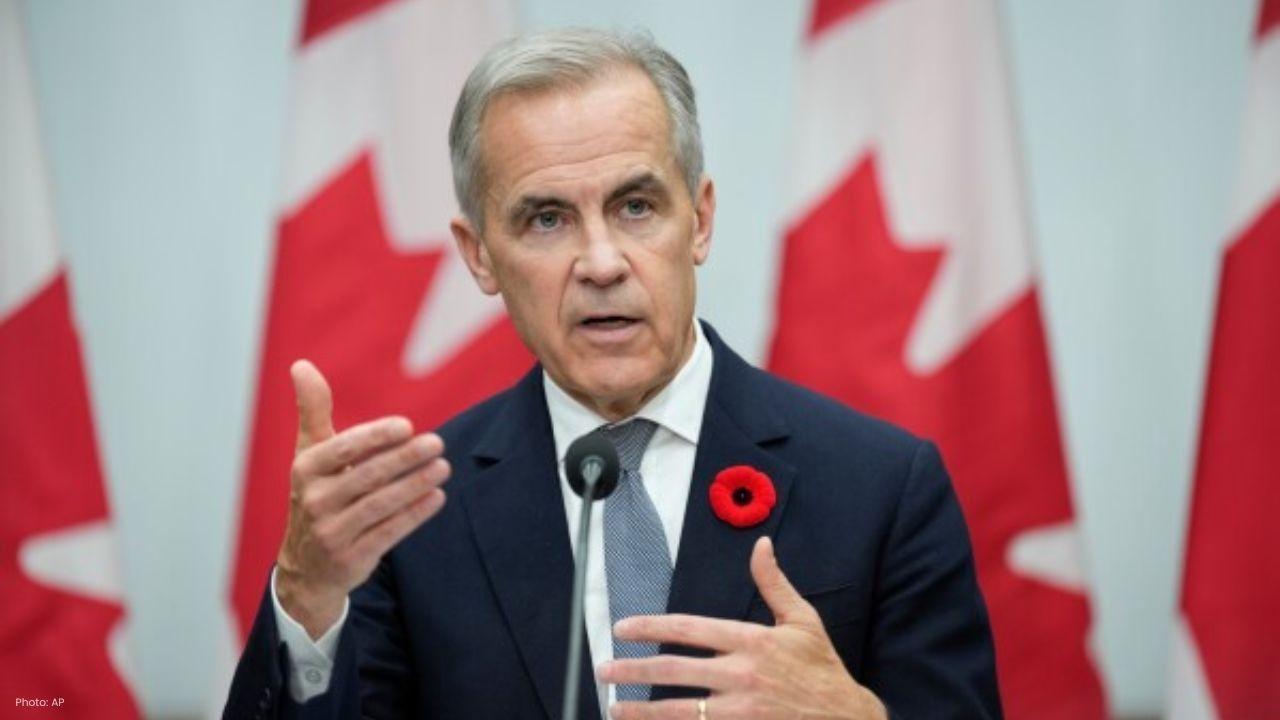
Prime Minister Mark Carney’s federal government has tabled a sweeping budget framed as an "investment" plan intended to reshape Canada’s economic trajectory and respond to fallout from US trade measures. The package anticipates a C$78 billion deficit—among the largest in the nation’s history—reflecting a clear shift toward higher public spending.
The blueprint sets an ambitious target of drawing C$1 trillion in investment over five years, with officials warning that fiscal restraint could endanger key social programs and future-oriented funding. At the same time, the government is proposing selective savings, including a planned 10% reduction in the federal workforce over coming years.
Finance Minister François-Philippe Champagne unveiled the measures in the House of Commons, urging fast, decisive moves amid deep structural change. A central driver of the budget is protectionist pressure after President Donald Trump imposed 35% tariffs on certain Canadian goods not covered by existing trade accords—measures that have already hit sectors such as steel, aluminium and autos, costing jobs and stalling investment.
To respond, Ottawa proposes C$280 billion in new spending across five years to lift productivity, competitiveness and resilience. Key initiatives include upgrading ports and trade links to help double exports to non-US markets within a decade, direct relief for firms affected by tariffs, and regulatory changes intended to attract private capital.
National defence is a major allocation, with nearly C$82 billion earmarked over five years to move closer to NATO’s 2% of GDP benchmark. The budget also commits close to C$1 billion to expand artificial intelligence adoption across industry and government functions.
The plan also imposes reductions: international aid will be rolled back to pre-pandemic levels, immigration targets will be trimmed slightly, and student visa numbers face significant cuts. Officials say these steps are necessary to stabilize operations and manage long-term fiscal pressures as households cope with rising living costs.
With Mr. Carney’s Liberals holding only a narrow minority, the budget’s fate depends on support from other parties. One Conservative MP has already crossed the floor to back the government, but critics in the Conservatives, Bloc Québécois and New Democratic Party have flagged concerns about the swelling deficit and proposed public-sector cuts. Parliamentary debate in the weeks ahead will determine whether the plan is enacted or triggers a partisan showdown.










DAE Achieves Remarkable Growth in Q1 2026 With Record Revenue
Dubai Aerospace Enterprise announces impressive financial results for Q1 2026, reflecting a surge in

Price Increase for Sony PS5 in Southeast Asia Effective May 1
Sony announces a price increase for the PS5 across Southeast Asia starting May 1, 2026, impacting ga

Potential ‘Super El Niño’ in 2026: Understanding the Climate Risks
Could a Super El Niño emerge in 2026? Discover its implications and potential global climate impacts

Global Energy Crisis Intensifies: Markets React to Oil Supply Challenges
Markets are on edge as oil disruptions escalate, influencing prices and economic stability. Explore

Must-See Tourist Spots in London You Can't Overlook
Explore London's essential attractions, from royal landmarks to vibrant markets, ensuring an unforge

Ultimate Guide to Snagging Cheap Flights in 2026
Unlock the secrets to booking affordable flights in 2026 with insightful tips and strategies tailore




