Post by : Shweta
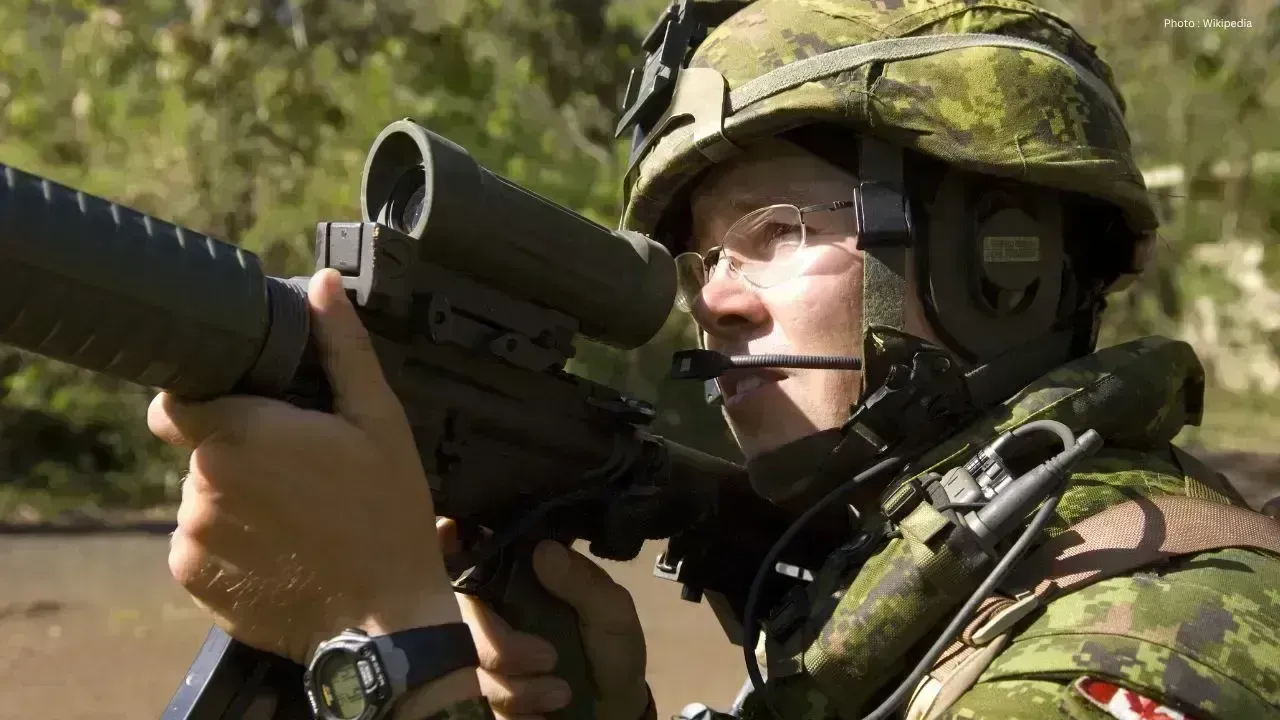
In an effort to bolster its military capabilities, Canada has unveiled plans to channel funds into skilled trades training, recruitment for the defence sector, and modernization initiatives, detailed in its recent spring economic update.
The federal government announced a significant investment of $250 million over five years specifically aimed at expanding trades training linked to the Canadian Armed Forces. The initiative seeks to tackle two critical challenges: the shortage of skilled personnel and the escalating need for modern defence equipment and infrastructure.
According to Finance Minister Francois-Philippe Champagne, this strategy not only aims to fortify Canada’s defence posture but also to support the workforce and the industry that underpins national security. The proposed connection between military service and technical education is expected to foster workforce development.
A key aspect of the initiative is geared towards the military reserves; individuals enlisting could earn fully funded education in skilled trades as a benefit of their service. The government anticipates this will motivate more Canadians to enlist while simultaneously addressing trade shortages across the nation.
Moreover, the plan includes initiatives related to cadets and the Junior Canadian Rangers, providing participants with enriched hands-on training and clearer pathways to certified trades careers through military-supported educational schemes.
Officials indicate that this program is designed not just for enhancing Canada's defence readiness but also for bolstering the economy by increasing the number of trained workers in industries facing labour shortages.
This announcement arrives at a time when Canada's military is grappling with recruitment challenges and staffing deficits. Present estimates show that the Armed Forces are operating well below their authorized strength, both in regular and reserve roles. The expansion of training programs has faced hurdles due to restricted capacity within military training frameworks.
Jennie Carignan, the commander of the Canadian military, noted steps have already been taken to collaborate more effectively with technical schools and community colleges, alleviating some pressure on internal training capacities. Partnerships with external educational institutions have significantly enhanced technical training options for military members.
The economic update also announces plans for a new independent defence agency, the Defence Investment Agency, designed to function autonomously from federal procurement processes while possessing enhanced authority to expedite defence projects and equipment acquisitions. The establishment and operation of this agency are budgeted at more than $100 million over five years.
Defence specialists suggest that the government’s strategy, if executed effectively, could positively impact both military recruitment and the acute shortage of skilled trades workers in Canada. Dave Perry from the Canadian Global Affairs Institute remarked on the dual benefits this proposal could yield.
However, there remain concerns regarding the overall management of defence expenditures. While the economic update emphasizes significant increases in defence budgets, critics question the transparency regarding fund allocation.
The government points to efforts including military salaries, support initiatives for Ukraine, Arctic defence infrastructure, shipbuilding, and new reconnaissance aircraft projects. Analysts have noted that many of these actions had previously been announced prior to this latest funding boost.
Furthermore, the fiscal update has yet to provide a clear explanation of how Canada achieved the NATO defence spending target of two per cent of GDP, a benchmark that has drawn increasing scrutiny from alliance members.
Despite the skepticism, government representatives maintain that the defence investments represent one of the largest military spending increases in generations, underscoring a commitment to building a robust military while fostering support for Canadian industries, workers, and sustainable economic growth.
Implementation of these new measures is anticipated to unfold gradually over the coming years, as Canada continues its military modernization and enhances workforce training across the nation.









DAE Achieves Remarkable Growth in Q1 2026 With Record Revenue
Dubai Aerospace Enterprise announces impressive financial results for Q1 2026, reflecting a surge in

Price Increase for Sony PS5 in Southeast Asia Effective May 1
Sony announces a price increase for the PS5 across Southeast Asia starting May 1, 2026, impacting ga

Potential ‘Super El Niño’ in 2026: Understanding the Climate Risks
Could a Super El Niño emerge in 2026? Discover its implications and potential global climate impacts

Global Energy Crisis Intensifies: Markets React to Oil Supply Challenges
Markets are on edge as oil disruptions escalate, influencing prices and economic stability. Explore

Must-See Tourist Spots in London You Can't Overlook
Explore London's essential attractions, from royal landmarks to vibrant markets, ensuring an unforge

Ultimate Guide to Snagging Cheap Flights in 2026
Unlock the secrets to booking affordable flights in 2026 with insightful tips and strategies tailore




