Post by : Saif Nasser
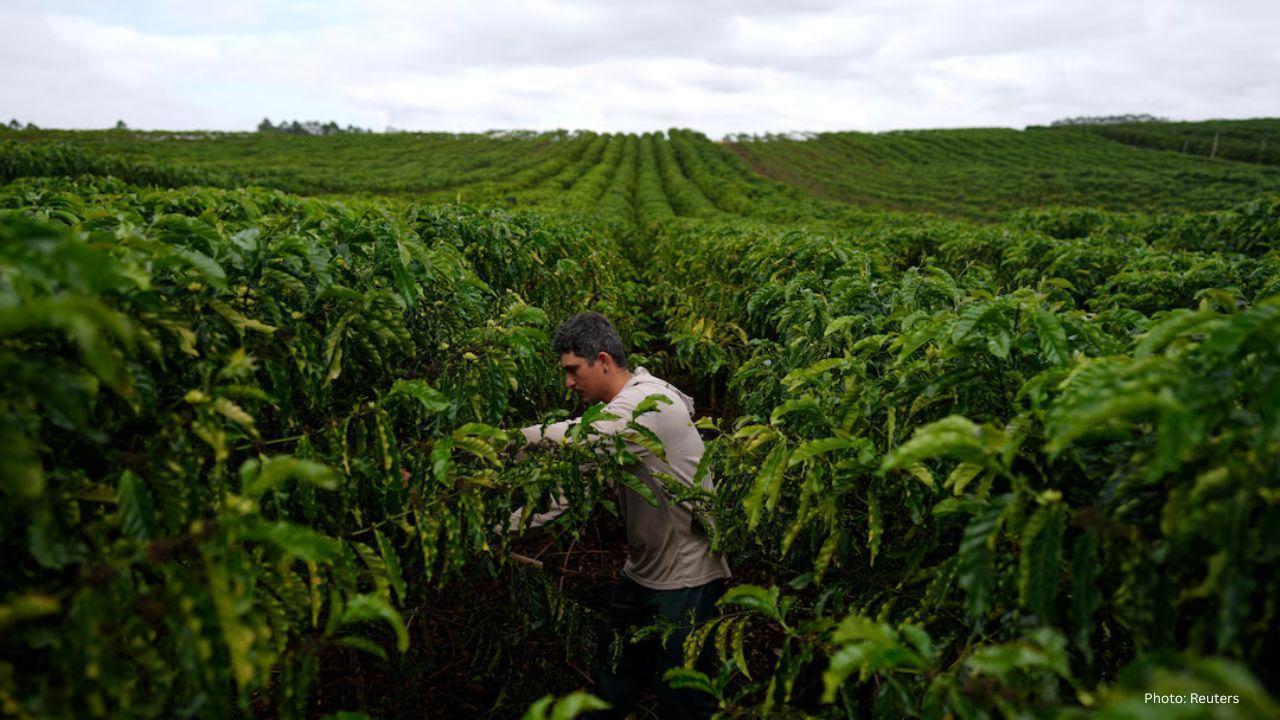
In Brazil, robusta coffee, once considered a lower-quality bean, is gaining attention from consumers and farmers alike. Farmers are now focusing on producing premium robusta, responding to rising global coffee prices and threats from climate change that affect the country’s more famous arabica beans.
A cup of 100% robusta espresso in Sao Paulo today can taste smooth and chocolatey, with a rich crema, challenging the old idea that only arabica beans make high-quality coffee. Marco Kerkmeester, co-founder of the Santo Grao coffee chain, said these robusta espressos appeal to coffee lovers looking for new flavors.
Climate change is affecting traditional arabica-growing regions. A 2022 study warned that over 75% of Brazil’s best arabica land could become unsuitable by 2050 due to higher temperatures and drought. This makes robusta, which is hardier and more resilient, an attractive alternative for farmers and roasters.
Farmers in Espirito Santo state, the center of Brazil’s robusta production, are adopting better harvesting and drying techniques. They aim to produce 1.5 million bags of specialty robusta annually by 2032, a significant increase from the 10,000 bags currently classified as premium. Modern dryers and careful sorting are replacing older, smoke-based drying methods that could harm the taste of the beans.
The Specialty Coffee Association (SCA) has also updated its standards to recognize high-quality robusta. This allows coffee graders to identify and reward the finest beans, regardless of species. The SCA is revising its flavor descriptions to include the aromatic spice notes that top-tier robusta can offer.
This push for quality is already paying off. Prices for Brazilian specialty robusta have more than doubled since 2021, reaching over $295 per 60-kilogram bag, while robusta futures have risen over 80% during the same period. The improvement in quality also allows roasters to increase the share of robusta in espresso blends without compromising flavor.
Experts say specialty robusta is not trying to replace arabica but to stand on its own as a unique and valuable coffee variety. Coffee farmers who traditionally grew arabica are now exploring robusta cultivation, bringing their experience to improve the quality of the beans.
In cafes from Sao Paulo to London and Berlin, baristas are now showcasing the best robusta flavors, introducing consumers to a richer and more diverse coffee experience. With rising global demand, climate pressures, and higher prices, Brazil’s robusta coffee sector is undergoing a transformation that may reshape the world’s coffee market.
Premium robusta is no longer just a cheaper filler. It is becoming a sought-after choice for coffee enthusiasts who appreciate its unique taste and aroma, and for farmers seeking resilience and profitability in a changing climate.









Anticipated Dates for UAE Eid Al Adha 2026 Unveiled by Astronomical Experts
Experts predict Eid Al Adha 2026 in the UAE to start on May 27, prompting early holiday planning amo

DAE Achieves Remarkable Growth in Q1 2026 With Record Revenue
Dubai Aerospace Enterprise announces impressive financial results for Q1 2026, reflecting a surge in

Price Increase for Sony PS5 in Southeast Asia Effective May 1
Sony announces a price increase for the PS5 across Southeast Asia starting May 1, 2026, impacting ga

Potential ‘Super El Niño’ in 2026: Understanding the Climate Risks
Could a Super El Niño emerge in 2026? Discover its implications and potential global climate impacts

Global Energy Crisis Intensifies: Markets React to Oil Supply Challenges
Markets are on edge as oil disruptions escalate, influencing prices and economic stability. Explore

Must-See Tourist Spots in London You Can't Overlook
Explore London's essential attractions, from royal landmarks to vibrant markets, ensuring an unforge




