Post by : Saif Nasser
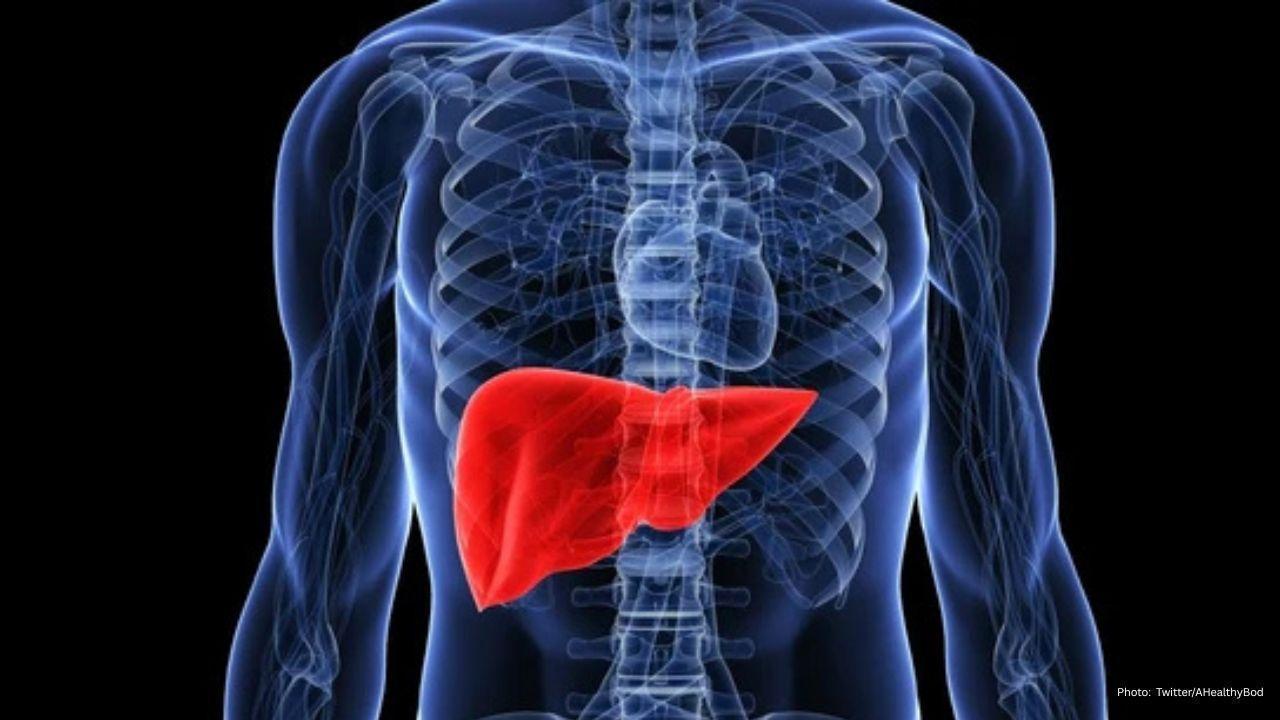
Fatty liver disease is increasing worldwide as diets worsen, stress rises and physical activity declines. Many individuals remain unaware of early liver fat until the disorder advances. Dr. Brijmohan Arora, a senior diabetologist from Dwarka with over two decades of clinical experience, says certain physical indicators can point to fatty liver and early insulin resistance even in the absence of blood tests.
In an Instagram video, Dr. Arora described a patient who refused laboratory testing but wanted a practical liver-health check. He explained that clinicians can often recognise warning signs from a focused physical assessment and patient appearance.
One prominent indicator is dense, protruding abdominal fat — visceral fat that accumulates around internal organs. A notably firm, distended stomach that feels hard to the touch is often associated with excess liver fat accumulation.
Another common marker is the presence of skin tags: small, soft lesions typically found on the neck or underarms. These growths frequently correlate with insulin resistance and metabolic dysfunction.
Dr. Arora also highlighted reddish or purplish streaks around the lower legs and ankles. Such vascular changes can reflect heightened pressure in small blood vessels and may signal impaired metabolic health linked to insulin-related problems.
A rounded, swollen face — where cheekbones are less defined and the face appears bloated — can also be a visual cue of fat deposition and metabolic imbalance affecting the liver.
Elevated blood pressure readings, particularly sustained levels above about 140–150 mmHg, serve as an important associated sign. Hypertension commonly accompanies insulin resistance and can precede a formal diabetes diagnosis.
Dr. Arora emphasised that fatty liver and insulin resistance reinforce each other: fat accumulation in the liver worsens insulin sensitivity, and insulin resistance promotes further liver fat storage. Left unchecked, this cycle can progress to inflammatory liver disease such as NASH and long-term organ damage.
While these external signs are useful red flags, the doctor underlined that laboratory tests and imaging remain necessary for definitive diagnosis. Physical clues should prompt clinical follow-up rather than replace standard investigations.
To lower the risk and potentially reverse early liver fat, Dr. Arora recommends straightforward lifestyle measures: cut down on sugary foods, avoid processed junk, increase regular physical activity, prioritise sleep and manage stress. Adequate hydration and dietary fibre also support liver function.
Many cases of fatty liver can be reversed when detected early, he noted, stressing the value of small, sustained changes in daily habits alongside medical guidance.
The overarching message: the body often signals metabolic trouble through modest physical changes—attending to these signs and seeking timely care can prevent more serious disease.










DAE Achieves Remarkable Growth in Q1 2026 With Record Revenue
Dubai Aerospace Enterprise announces impressive financial results for Q1 2026, reflecting a surge in

Price Increase for Sony PS5 in Southeast Asia Effective May 1
Sony announces a price increase for the PS5 across Southeast Asia starting May 1, 2026, impacting ga

Potential ‘Super El Niño’ in 2026: Understanding the Climate Risks
Could a Super El Niño emerge in 2026? Discover its implications and potential global climate impacts

Global Energy Crisis Intensifies: Markets React to Oil Supply Challenges
Markets are on edge as oil disruptions escalate, influencing prices and economic stability. Explore

Must-See Tourist Spots in London You Can't Overlook
Explore London's essential attractions, from royal landmarks to vibrant markets, ensuring an unforge

Ultimate Guide to Snagging Cheap Flights in 2026
Unlock the secrets to booking affordable flights in 2026 with insightful tips and strategies tailore




