Post by : Raina Nasser
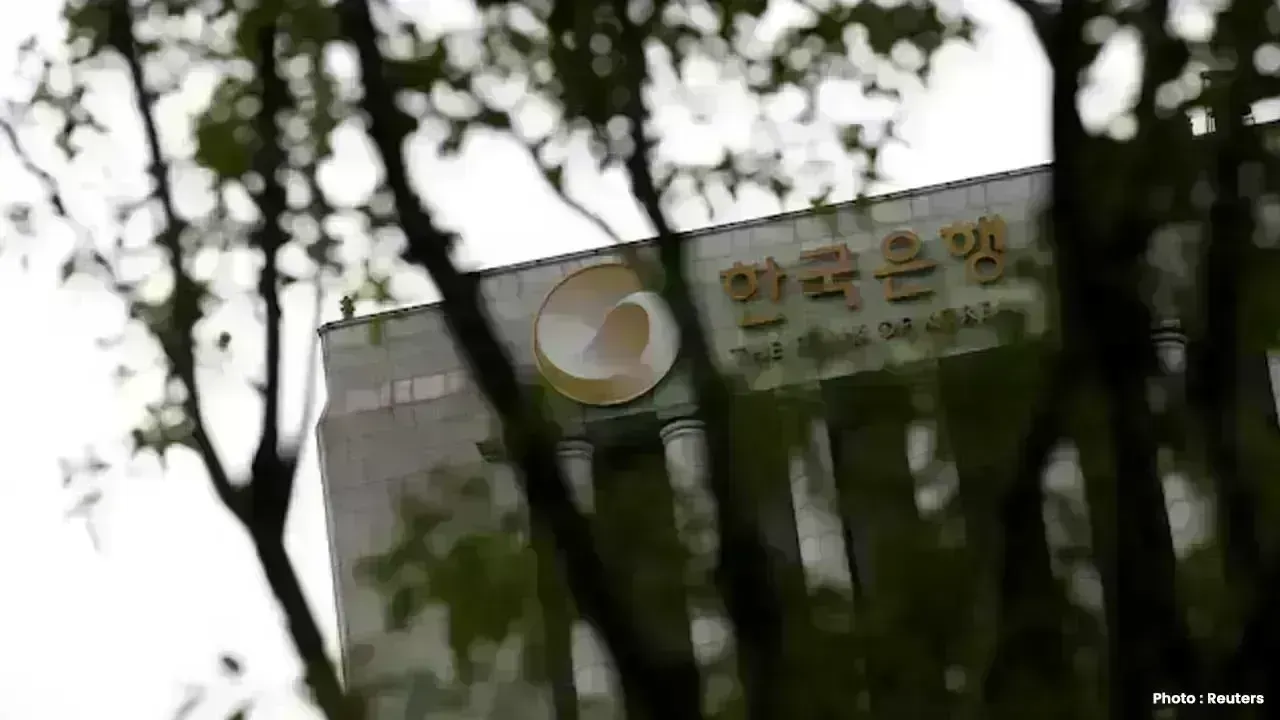
The Bank of Korea (BOK) has opted to maintain its interest rates for the fourth consecutive meeting, signaling a possible conclusion to its current rate cut phase. On Thursday, the central bank declared that the benchmark interest rate will stay at 2.50%, aligning with market predictions.
Additionally, the BOK has revised its economic projections, increasing growth and inflation estimates for 2025 to 1.0% and 2.1%, respectively. Notably, the central bank has altered its previous messaging that implied a continued “rate cut stance”, now stating that, “The Board will evaluate when to implement any further Base Rate reductions.” This alteration marks a more cautious stance amidst a declining won.
Governor Rhee Chang-yong emphasized the implications of the currency's depreciation, noting that the won's drop could lead to heightened prices. “Firms focused on domestic consumption may face hurdles, although the total effect on the economy remains uncertain,” he remarked.
South Korea's economy is grappling with various risks. Domestic spending is on the rise, yet the depreciating currency constrains the central bank's capacity to boost growth without triggering inflationary pressures. Analysts are now predicting that the next possible rate reduction may occur in early 2026 instead of later this year. Some policymakers express hesitation in pursuing further easing due to concerns regarding escalating housing prices in Seoul and worries over financial stability.
Ahn Jae-kyun, an economist at Korea Investment Securities, noted, “While it is difficult to completely dismiss the possibility of additional easing, the chances of further rate cuts appear slim. We expect rates to remain steady for the time being.” He also suggested that it's premature to contemplate rate hikes, given the potential for an economic slowdown in the second quarter of the upcoming year.
This quarter, the Korean won has experienced a significant downturn, plummeting nearly 4% against the US dollar, positioning it as the second-most adversely affected currency in Asia, following the Japanese yen. The government has been in discussions with key financial entities, including the National Pension Service and exporters, to develop strategies to stabilize the dollar-won exchange rate, with no specific measures yet put forth.
Looking forward, the BOK forecasts a 1.8% growth for South Korea's economy in 2026, with inflation remaining steady at 2.1%, emphasizing the careful equilibrium the central bank must achieve between nurturing growth and regulating inflation.










Price Increase for Sony PS5 in Southeast Asia Effective May 1
Sony announces a price increase for the PS5 across Southeast Asia starting May 1, 2026, impacting ga

Potential ‘Super El Niño’ in 2026: Understanding the Climate Risks
Could a Super El Niño emerge in 2026? Discover its implications and potential global climate impacts

Global Energy Crisis Intensifies: Markets React to Oil Supply Challenges
Markets are on edge as oil disruptions escalate, influencing prices and economic stability. Explore

Must-See Tourist Spots in London You Can't Overlook
Explore London's essential attractions, from royal landmarks to vibrant markets, ensuring an unforge

Ultimate Guide to Snagging Cheap Flights in 2026
Unlock the secrets to booking affordable flights in 2026 with insightful tips and strategies tailore

The Impact of Consistent Small Investments on Wealth Building
Discover how investing small amounts regularly can positively transform your financial future over t