Post by : Saif Nasser
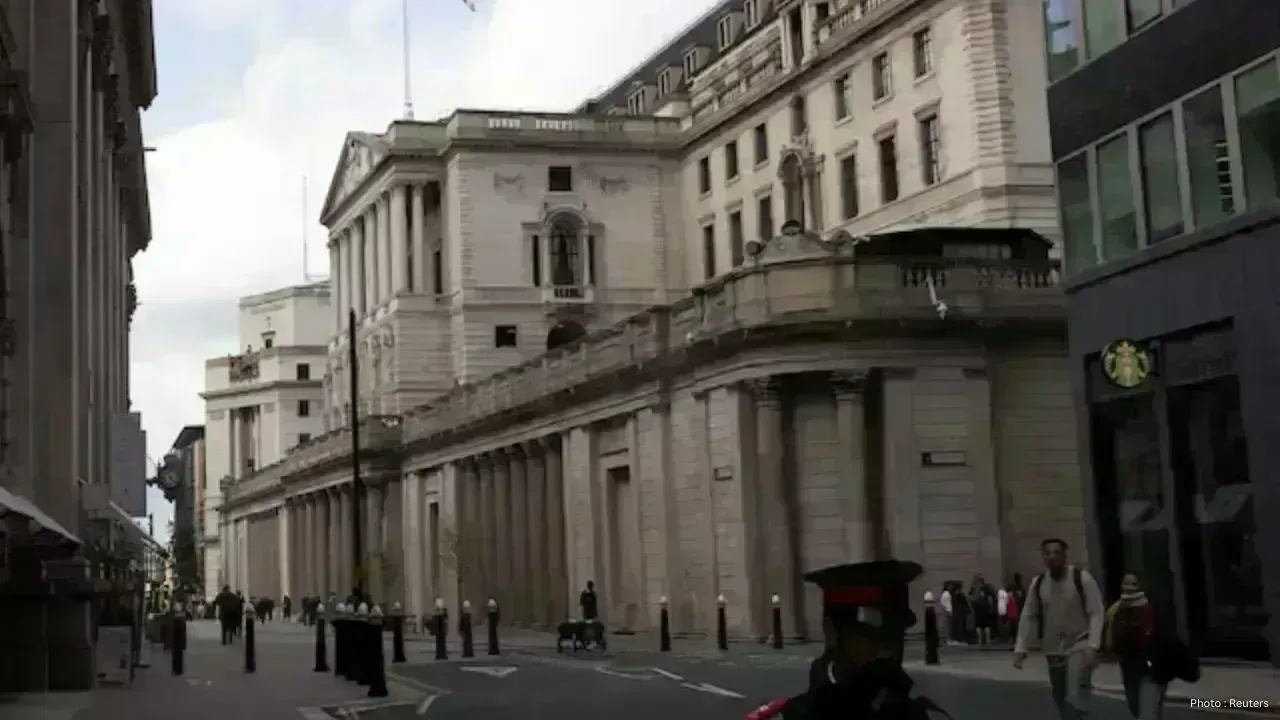
The Bank of England is expected to keep interest rates unchanged as it studies the economic impact of the ongoing Iran war. Rising oil and energy prices have increased concerns about inflation, making it difficult for policymakers to take quick decisions. The central bank is choosing to wait and observe the situation before making any major move.
The current interest rate is likely to remain steady, as experts believe that the Bank wants more clarity before acting. The conflict has created uncertainty in global markets, especially in energy supply, which directly affects prices and economic stability. Because of this, policymakers are taking a cautious approach.
One of the biggest concerns is inflation. When oil and gas prices rise, the cost of transportation and production also increases. Businesses often pass these costs on to customers, which leads to higher prices for everyday goods. This situation puts pressure on households and reduces spending power.
At the same time, economic growth is showing signs of slowing down. When prices go up, people tend to spend less, and companies may delay investments. This creates a difficult balance for the central bank. Raising interest rates could control inflation but may slow the economy further. Keeping rates unchanged may support growth but could allow inflation to rise.
There are also different views among policymakers. Some believe that action is needed soon to prevent inflation from getting worse. Others feel that the economy is still weak and that raising rates too early could cause more harm. Because of these mixed views, holding rates steady appears to be the most likely decision for now.
Financial markets are closely watching the Bank of England’s next steps. Many investors expect that interest rates could rise later in the year if inflation continues to stay high. Future decisions will depend on how the situation develops, especially in energy markets.
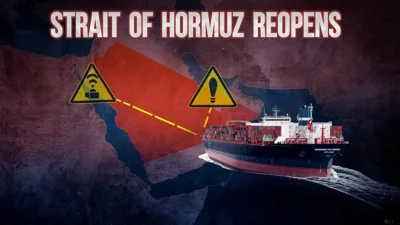
The Iran war has added pressure on the global economy. Disruptions in oil supply have pushed prices higher, affecting many countries. This has increased concerns about slower growth and rising costs worldwide. Central banks across the world are facing similar challenges as they try to manage inflation without harming economic recovery.
Business confidence is also affected by this uncertainty. Companies are unsure about future costs and demand, which makes them cautious about hiring and investment. At the same time, consumers are dealing with higher living costs, which affects their spending habits.
The Bank of England is expected to release updated forecasts soon. These projections will give a clearer picture of inflation and economic growth in the coming months. Policymakers will use this data to decide their next steps.
For now, the central bank’s approach reflects caution and careful planning. The focus remains on understanding the full impact of the Iran war before taking any strong action. The coming months will be important in deciding whether interest rates remain steady or begin to rise.







Potential ‘Super El Niño’ in 2026: Understanding the Climate Risks
Could a Super El Niño emerge in 2026? Discover its implications and potential global climate impacts

Global Energy Crisis Intensifies: Markets React to Oil Supply Challenges
Markets are on edge as oil disruptions escalate, influencing prices and economic stability. Explore

Must-See Tourist Spots in London You Can't Overlook
Explore London's essential attractions, from royal landmarks to vibrant markets, ensuring an unforge

Ultimate Guide to Snagging Cheap Flights in 2026
Unlock the secrets to booking affordable flights in 2026 with insightful tips and strategies tailore

The Impact of Consistent Small Investments on Wealth Building
Discover how investing small amounts regularly can positively transform your financial future over t

7.5 Magnitude Earthquake Strikes Japan, Tsunami Alerts Issued
Japan experiences a hefty 7.5 quake, prompting tsunami alerts and safety measures. Stay updated on a