Post by : Mara Rahim
The 46th Gulf Cooperation Council (GCC) Summit is officially underway in Bahrain, uniting the leaders of member states for a pivotal discussion. This summit represents a significant transition as the GCC shifts towards comprehensive regional integration, aiming for a stronger collaborative approach across various sectors.
Historically, the GCC has solidified its role as an influential regional bloc. The member states are deepening their collaborative efforts in areas such as economic development, energy, and sustainability. These initiatives are fostering increased partnerships and facilitating long-term advancements throughout the region.
In 2024, the GCC's economy was valued at over $2.3 trillion, demonstrating robust financial health, with the average income per capita exceeding $38,000. This marks a significant milestone, as the non-oil sector now represents 76% of the economy, illustrating successful diversification strategies.
The financial markets in the GCC have also shown remarkable performance. By the close of last year, the total market capitalization reached $4.2 trillion, while commercial bank deposits grew to $2.1 trillion, with bank assets totaling $3.5 trillion, reinforcing the region's economic stability.
Inter-GCC trade has flourished, boasting a merchandise trade surplus of $109.7 billion in 2024, ranking it among the highest globally. Trade among GCC nations hit $146 billion, marking a 10% increase from 2023, indicating burgeoning collaborative dynamics.
On the global front, GCC nations accounted for a total merchandise trade value of $1.6 trillion, or 3.2% of the world's trade. Exports alone amounted to $850 billion, asserting the GCC's significance as a key player in international trade.
Energy assets remain a cornerstone of the GCC's economy. Member states control 511.9 billion barrels of crude oil, approximately 32.7% of global reserves, and produce 16.1 million barrels per day, representing 21.8% of global output. In natural gas, GCC reserves stand at 44.3 trillion cubic meters, or 21.2% of world reserves, with the region contributing 10.3% to global liquefied natural gas production.
Tourism is also witnessing a surge. In 2024, the tourism sector employed about 1.7 million people, reflecting a 2.8% growth from the previous year. The hotel industry expanded to 11,200 establishments, contributing $145.8 billion to the economy—64% of its 2030 target.
The GCC is committed to enhancing its circular economy and waste management strategies, aiming to cut landfill waste by 60-90% by 2030-2040. Active participation in the Basel Convention demonstrates their commitment to responsible environmental practices. The GCC's waste management sector is projected to reach $95 billion between 2025 and 2032.
In terms of environmental sustainability, GCC states have designated 15% of their territory as nature reserves. Significant investments, totaling $300 million, have been directed towards reducing carbon emissions with the GCC power grid project, alongside support for the Middle East Green Initiative, which intends to plant 50 billion trees.
Renewable energy is another priority, with GCC countries currently boasting 14.2 gigawatts of renewable energy capacity, targeting over 50% of electricity production from renewable sources by 2050. Additionally, they are investing $11 billion in international green hydrogen and green ammonia initiatives.
Social welfare continues to progress, catering to approximately 950,000 retirees and over 450,000 dependents benefiting from pension systems. Insurance benefits reached over $450 billion, with insured amounts surpassing $15 billion.
Healthcare advancements are also notable, with GCC states operating 882 hospitals and expected healthcare spending to reach $159 billion by 2029. The digital health sector alone is anticipated to generate $1.8 billion in revenue by 2025.
Through these developments, the GCC is poised to enhance cooperation, foster innovation, and promote a sustainable future for its populace and the wider region.







Achieve Radiant Skin with This Simple Rice Flour Treatment
Transform your skincare routine! Discover how a rice flour mix can restore your skin's glow without

Meta Unveils Subscription Plans for Instagram, Facebook, and WhatsApp
Meta introduces new subscription plans for users of Instagram, Facebook, and WhatsApp, featuring enh
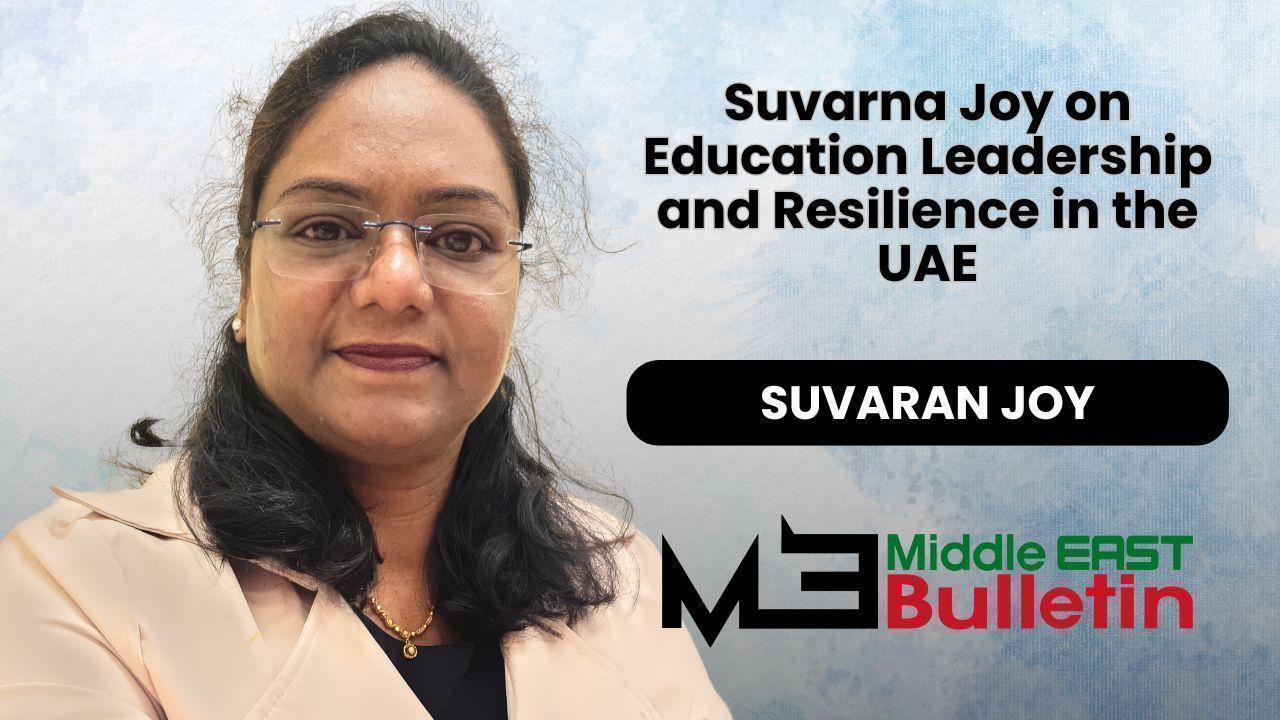
Suvarna Joy on Education Leadership, Resilience, and Building Purpose Through Adversity in the UAE
Suvarna Joy shares her journey of education leadership, motherhood, faith, and resilience within the

Anticipated Dates for UAE Eid Al Adha 2026 Unveiled by Astronomical Experts
Experts predict Eid Al Adha 2026 in the UAE to start on May 27, prompting early holiday planning amo

DAE Achieves Remarkable Growth in Q1 2026 With Record Revenue
Dubai Aerospace Enterprise announces impressive financial results for Q1 2026, reflecting a surge in

Price Increase for Sony PS5 in Southeast Asia Effective May 1
Sony announces a price increase for the PS5 across Southeast Asia starting May 1, 2026, impacting ga




