Post by : Priya
Photo:Reuters
Australia is a land of extraordinary natural beauty and biodiversity. Its landscapes, ranging from vast deserts to ancient rainforests and vibrant coral reefs, are home to thousands of species found nowhere else on Earth. Equally important are the deep cultural connections that Aboriginal and Torres Strait Islander peoples have with these lands — relationships that stretch back more than 60,000 years.
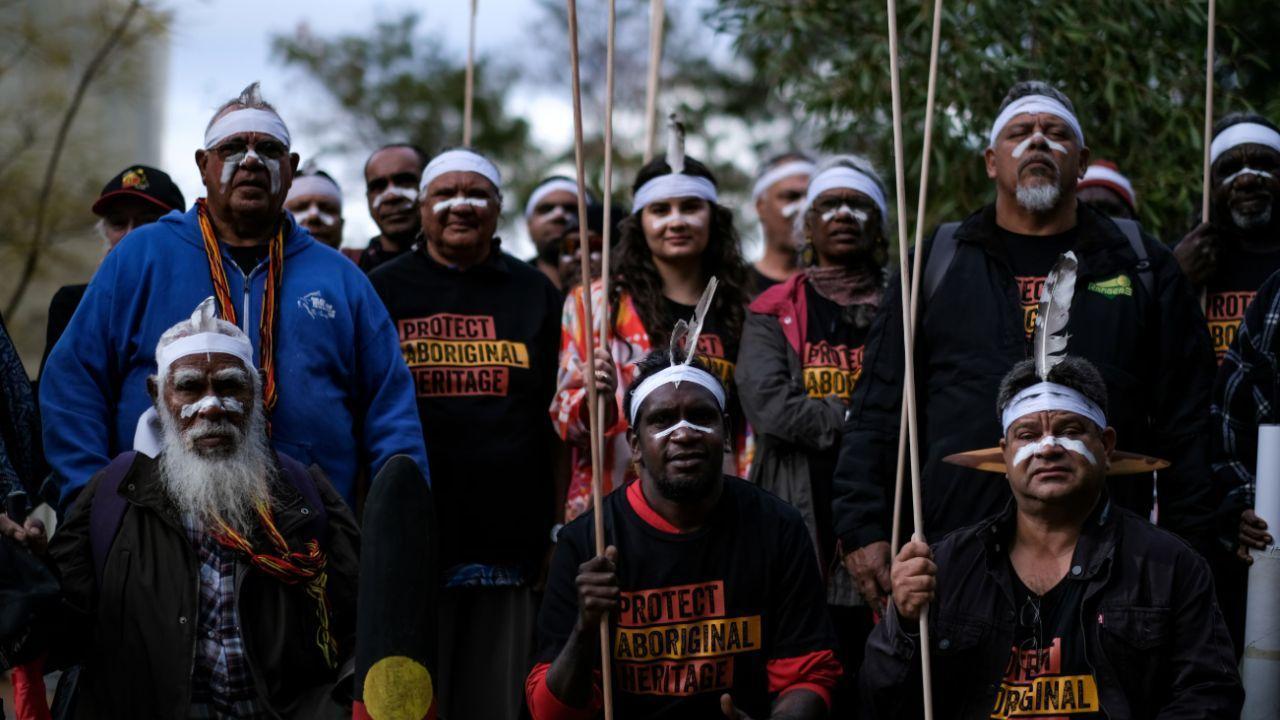
In a landmark decision, the Australian government has passed a new law aimed at protecting biodiversity hotspots that hold both ecological and Indigenous cultural significance. This legislation is being praised as one of the most important steps in decades toward preserving the country’s rich environmental heritage and respecting the knowledge of its First Nations peoples.
A Nation’s Biodiversity Under Threat
Australia is considered one of the world’s “megadiverse” countries — a term used to describe nations that harbor a large number of unique species. However, this rich natural heritage has been under severe threat for many years.
Land clearing for agriculture, mining, urban expansion, and infrastructure projects has destroyed countless ecosystems. Climate change has intensified droughts, bushfires, and floods, further stressing wildlife and habitats. Introduced species like feral cats, foxes, and invasive plants have wreaked havoc on native ecosystems.
Australia has the highest mammal extinction rate in the world. Over 100 species have vanished since colonization began in 1788. In 2022, a national environmental report card described the state of the environment as “poor and deteriorating,” and called for urgent action.
The need for a legal framework that puts the environment and Indigenous voices at the center of conservation efforts has never been greater. The new biodiversity law answers that call.
What the Law Does
The new law, officially named the Indigenous Biodiversity Protection and Stewardship Act, introduces several key measures:
Legal Protection of Biodiversity Hotspots
Certain areas that are rich in native plants, animals, and ecosystems — known as “biodiversity hotspots” — will receive special protection. These areas have been identified based on scientific research and traditional ecological knowledge.
Recognition of Indigenous Cultural Value
The law acknowledges that many biodiversity hotspots are also of great spiritual and cultural importance to Indigenous peoples. Sacred sites, songlines, ancient burial grounds, and places with traditional plant use will now be protected under the same legal umbrella as natural habitats.
Free, Prior and Informed Consent (FPIC)
Any development project — including mining, logging, road construction, or agriculture — that could affect these protected areas must first gain permission through a proper consultation process with local Indigenous communities.
Creation of a National Indigenous Biodiversity Council
This new council will include Indigenous elders, scientists, legal experts, and environmental groups. Its role is to guide how the law is implemented, resolve disputes, and monitor outcomes.
Use of Traditional Ecological Knowledge
Indigenous land care methods — such as cultural burning, seasonal harvesting, and species monitoring — will be officially recognized as valid and valuable conservation tools.
How the Law Was Made
The law did not appear overnight. It is the result of years of campaigning by Indigenous leaders, environmental organizations, legal scholars, and community groups.
The push gained momentum after the 2020 destruction of Juukan Gorge, a sacred Aboriginal site in Western Australia that was blown up by a mining company. The incident caused national outrage and forced the government to rethink its approach to protecting cultural heritage and biodiversity.
A major public inquiry followed, which led to dozens of recommendations. One of the key findings was that current environmental laws were outdated and did not reflect modern values of sustainability or Indigenous rights.
After a long consultation process, including more than 1,200 submissions from the public and over 200 community meetings, the bill was introduced in Parliament in March 2025. It received strong support from both major political parties and passed into law in July 2025.
What This Means for Indigenous Communities
For Aboriginal and Torres Strait Islander peoples, this law represents more than just environmental protection — it is about justice, recognition, and empowerment.
For too long, development decisions were made without consulting traditional owners. Sacred sites were bulldozed, rivers were diverted, and forests were destroyed without the voices of those who had lived on and cared for the land for generations.
This law changes that.
Now, Indigenous communities will have a real say in what happens on their land. Their knowledge will be respected, and their role as caretakers of the country will be written into national law.
In the words of Ngarrindjeri Elder Aunty Rose Rigney, who helped draft parts of the law:
“This is not about going back to the past. It’s about moving forward in a way that respects who we are, where we come from, and how we live with the land.”
Environmental and Economic Balance
One of the challenges the government faced was finding a balance between environmental protection and economic development.
Australia’s economy is still heavily tied to industries like mining, farming, and tourism. There were concerns that the new law might limit jobs or slow down major projects. However, the law includes mechanisms to allow sustainable development where possible — provided it does not threaten the ecological or cultural values of protected areas.
There are also new funding programs that will support Indigenous ranger groups, community-led conservation projects, and eco-tourism ventures that benefit local people.
This approach has the potential to create “green jobs” — employment that helps restore ecosystems and supports local economies at the same time.
A Global Example
Australia’s law comes at a time when the world is facing a growing biodiversity crisis. According to the United Nations, around 1 million species are at risk of extinction in the coming decades due to human activity.
Many countries have signed international agreements promising to protect 30% of land and sea areas by 2030. But few have detailed plans on how to reach that goal while respecting Indigenous rights.
Australia’s new law could become a global model.
It combines science and traditional knowledge. It gives power to local communities. It offers a legal framework that respects both nature and culture. And most importantly, it sends a message that environmental justice must include Indigenous justice.
Challenges Ahead
While the new law is a major achievement, its success will depend on how it is enforced.
Monitoring large remote areas is difficult and requires proper funding, trained personnel, and community cooperation. There are also concerns about whether all state and territory governments will follow the same standards.
Environmental groups have warned that strong words must be backed up by strong actions. Developers may still try to find loopholes. And long-term protection will require political will beyond election cycles.
However, the creation of the Indigenous Biodiversity Council and the focus on transparency are promising signs that the government is serious about enforcement.
Public Response and Support
The law has received wide support across Australia. Polls show that a majority of Australians believe Indigenous peoples should have more say in environmental decisions.
Media coverage has largely praised the law, and several universities and research centers are planning to launch joint programs with Indigenous communities to document traditional knowledge and support conservation.
Children in schools are being taught about biodiversity, climate change, and Indigenous culture as part of the new national curriculum — further embedding respect for the land into the country’s future.









Price Increase for Sony PS5 in Southeast Asia Effective May 1
Sony announces a price increase for the PS5 across Southeast Asia starting May 1, 2026, impacting ga

Potential ‘Super El Niño’ in 2026: Understanding the Climate Risks
Could a Super El Niño emerge in 2026? Discover its implications and potential global climate impacts

Global Energy Crisis Intensifies: Markets React to Oil Supply Challenges
Markets are on edge as oil disruptions escalate, influencing prices and economic stability. Explore

Must-See Tourist Spots in London You Can't Overlook
Explore London's essential attractions, from royal landmarks to vibrant markets, ensuring an unforge

Ultimate Guide to Snagging Cheap Flights in 2026
Unlock the secrets to booking affordable flights in 2026 with insightful tips and strategies tailore

The Impact of Consistent Small Investments on Wealth Building
Discover how investing small amounts regularly can positively transform your financial future over t