Post by : Shweta
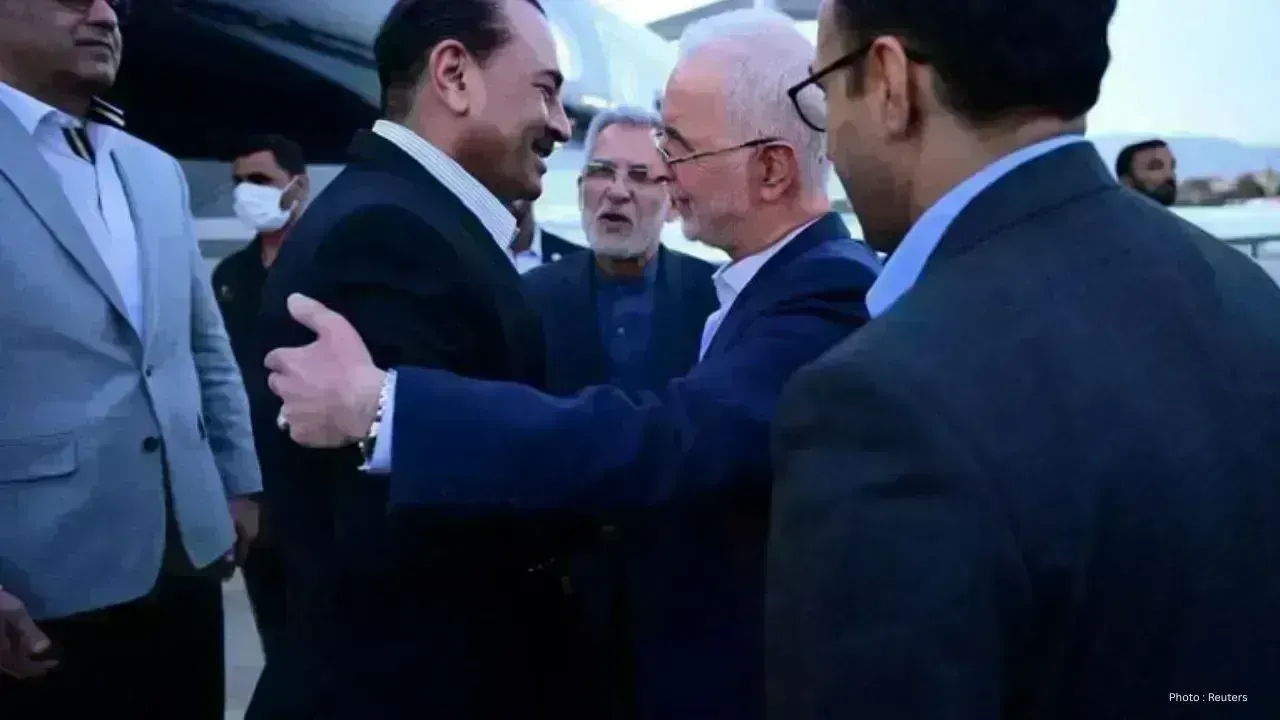
In Tehran, Pakistan Army Chief Asim Munir engaged in significant dialogues with Iranian Foreign Minister Abbas Araghchi against the backdrop of escalating tensions between the United States and Iran. This meeting comes at a critical juncture, as diplomatic endeavors strive to avert a broader conflict in the Middle Eastern landscape. Leaders from both nations deliberated on regional security, ongoing peace initiatives, and strategies to mitigate tensions between Washington and Tehran.
Reports indicate that the focus of the discussions was on recent Middle Eastern developments and potential diplomatic remedies to stave off a military escalation. Pakistan has augmented its role as a mediator between the United States and Iran, actively advocating for peace negotiations and stability in the area. Asim Munir's visit forms part of Pakistan's extensive diplomatic outreach aimed at fostering dialogue.
The U.S. and Iran have been at odds over significant matters, including Iran's nuclear program, sanctions, and security issues in the Gulf region. Talks have significantly slowed down in recent weeks, with rising tensions around the Strait of Hormuz and apprehensions regarding military actions igniting global concerns. Several nations, including Pakistan and Qatar, are making efforts to reignite diplomatic conversations before the situation escalates further.
During their dialogue, Iranian officials addressed ongoing diplomatic initiatives and the prospect of upcoming negotiations with the United States. Although Iran has maintained a firm stance on sanctions and nuclear discussions publicly, officials have hinted that they remain open to communication via intermediaries. Pakistan has taken on the role of facilitating indirect discussions between both parties.
The meeting signified the increasing importance of Pakistan's presence in regional diplomacy. With shared borders and strong ties with Iran, alongside strategic relationships with the U.S. and Gulf nations, analysts perceive Pakistan's actions as a careful balancing act, aiming to prevent regional instability from affecting South Asia and global energy markets.
Discussions also encompassed regional security issues, trade routes, and the overall situation in West Asia. This diplomatic engagement highlights ongoing international efforts to preclude a larger regional conflict that may disrupt oil supplies, shipping lanes, and economic stability across multiple countries.





Anticipated Dates for UAE Eid Al Adha 2026 Unveiled by Astronomical Experts
Experts predict Eid Al Adha 2026 in the UAE to start on May 27, prompting early holiday planning amo

DAE Achieves Remarkable Growth in Q1 2026 With Record Revenue
Dubai Aerospace Enterprise announces impressive financial results for Q1 2026, reflecting a surge in

Price Increase for Sony PS5 in Southeast Asia Effective May 1
Sony announces a price increase for the PS5 across Southeast Asia starting May 1, 2026, impacting ga

Potential ‘Super El Niño’ in 2026: Understanding the Climate Risks
Could a Super El Niño emerge in 2026? Discover its implications and potential global climate impacts

Global Energy Crisis Intensifies: Markets React to Oil Supply Challenges
Markets are on edge as oil disruptions escalate, influencing prices and economic stability. Explore

Must-See Tourist Spots in London You Can't Overlook
Explore London's essential attractions, from royal landmarks to vibrant markets, ensuring an unforge




