Post by : Saif Nasser
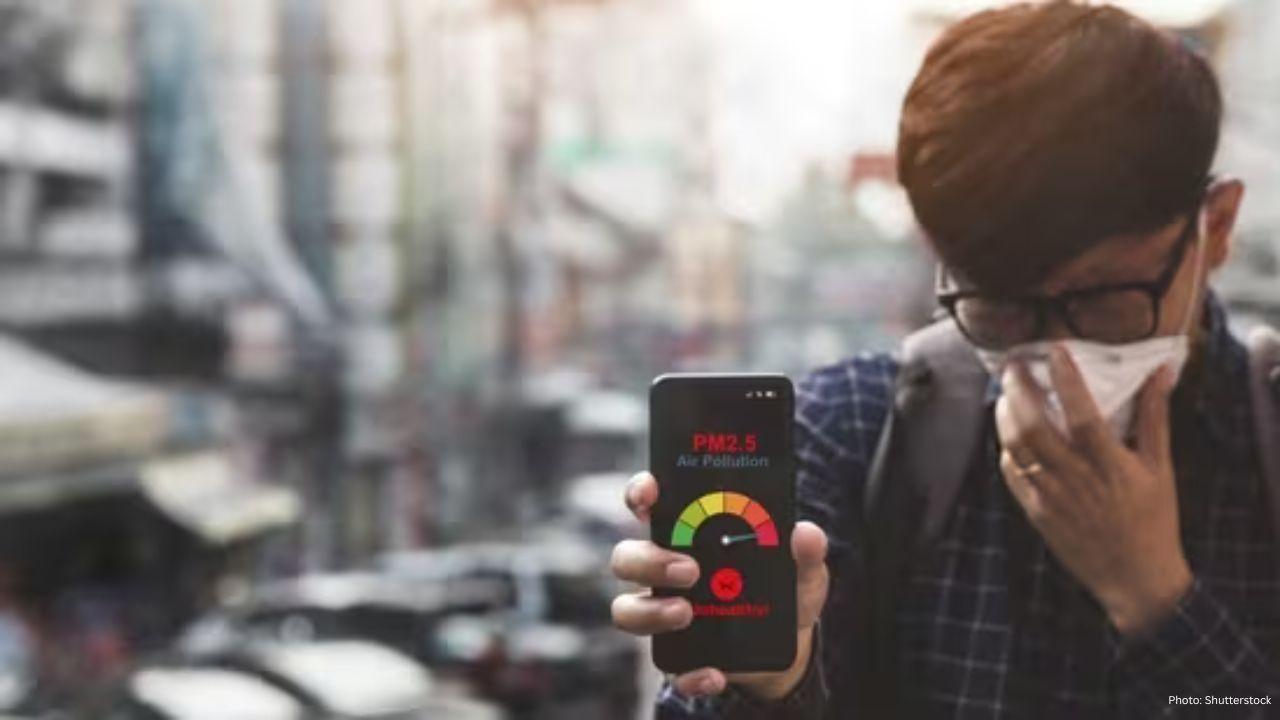
Air pollution across Delhi and surrounding districts has escalated into a pressing public-health concern, with clinicians warning that fine particulate matter is harming not just lungs but also cardiovascular and neurological health.
Dr. Niranjan Hiremath, a senior cardiac surgeon at Apollo Hospital in Delhi, cautions that PM2.5 — microscopic airborne particles — are sufficiently small to reach the lungs and cross into the circulation. Once in the bloodstream, these particles can trigger arterial inflammation, promote clot formation and restrict blood flow, sharply increasing the likelihood of heart attacks, including among younger, otherwise healthy individuals.
According to Dr. Hiremath, toxic air imposes added strain on cardiac function. Patients with hypertension, elevated cholesterol or atherosclerosis face heightened danger: particulate irritation of the arterial lining contributes to progressive narrowing and stiffening of vessels, undermining cardiac output. Repeated exposure is linked to major outcomes such as coronary artery disease, stroke and sudden cardiac events. He advised limiting outdoor activity during high-pollution periods, using masks and backing policies to improve ambient air quality.
Specialists also highlight the brain as a target organ. Dr. Biplab Das, a neurologist at Narayana Hospital in Gurugram, explained that chronic inhalation of polluted air can provoke neuroinflammation, damaging neuronal connections and disturbing neurotransmitter balance. Over time this process may increase susceptibility to neurodegenerative disorders such as Alzheimer’s and Parkinson’s, and oxidative stress from pollutants can impair cognition — affecting attention, memory and decision-making. In children, prolonged exposure may hinder brain development and has been implicated in higher risks for developmental disorders.
Beyond physical illness, pollution can erode mental well-being. Clinical psychologist Dr. Shilpi Saraswat of Sakra World Hospital in Bengaluru noted a correlation between long-term exposure to poor air quality and elevated rates of depression, anxiety and suicidal ideation. Young people are particularly vulnerable; sustained pollutant exposure is associated with mood disorders, impaired emotional regulation and disturbed sleep, which in turn reduce productivity and quality of life.
Clinicians and public-health experts recommend mitigation measures to protect individuals and communities: remain indoors when the Air Quality Index is high, use effective air filtration at home, and wear certified anti-pollution masks outdoors. Schools should suspend outdoor programmes during severe pollution episodes. Authorities are urged to curb vehicle emissions, accelerate transitions to cleaner energy, expand public transport and increase urban tree cover to reduce pollutant loads.
Delhi’s deteriorating AQI underscores that air pollution is now a broader public-health emergency with implications ranging from heart attacks and strokes to cognitive decline and mental illness. Experts warn that without decisive intervention the long-term societal and health costs will be substantial. Regularly checking AQI, avoiding strenuous outdoor exercise during peaks, and demanding stronger urban air policies are practical steps citizens can take immediately.
The medical message is unequivocal: the air we breathe affects every organ. Coordinated action by individuals, health professionals and governments is essential to lower exposures, improve air quality and protect current and future generations.










DAE Achieves Remarkable Growth in Q1 2026 With Record Revenue
Dubai Aerospace Enterprise announces impressive financial results for Q1 2026, reflecting a surge in

Price Increase for Sony PS5 in Southeast Asia Effective May 1
Sony announces a price increase for the PS5 across Southeast Asia starting May 1, 2026, impacting ga

Potential ‘Super El Niño’ in 2026: Understanding the Climate Risks
Could a Super El Niño emerge in 2026? Discover its implications and potential global climate impacts

Global Energy Crisis Intensifies: Markets React to Oil Supply Challenges
Markets are on edge as oil disruptions escalate, influencing prices and economic stability. Explore

Must-See Tourist Spots in London You Can't Overlook
Explore London's essential attractions, from royal landmarks to vibrant markets, ensuring an unforge

Ultimate Guide to Snagging Cheap Flights in 2026
Unlock the secrets to booking affordable flights in 2026 with insightful tips and strategies tailore




