Post by : Saif Nasser
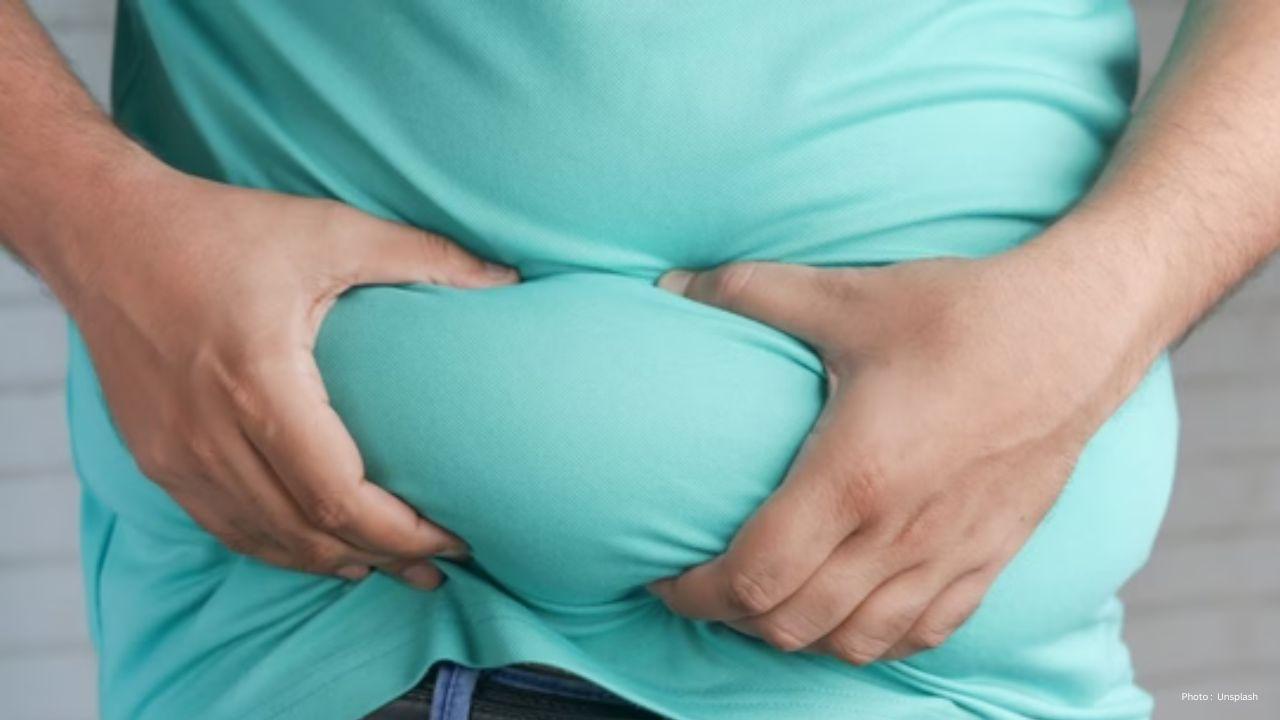
Bloating is a problem many people face after eating. It makes your stomach feel heavy, full, or gassy. While most people think food is the main reason behind bloating, doctors say our daily habits also play a big part. Eating too fast, drinking fizzy beverages, or even consuming too much fibre can all cause your stomach to swell uncomfortably.
Dr. Saurabh Sethi, a gastroenterologist trained at AIIMS, Harvard, and Stanford Universities, has shared seven easy ways to control and prevent bloating. His tips focus on small lifestyle changes that can make a big difference in how your stomach feels after meals.
1. Eat Slowly and Chew Well
Dr. Sethi says that when you eat too fast, you swallow extra air along with your food. This trapped air can lead to bloating and discomfort. He suggests taking smaller bites, chewing your food properly, and placing your fork down between bites. This not only helps digestion but also allows your brain to know when you are full, preventing overeating.
2. Avoid Fizzy Drinks
Soft drinks, sparkling water, and beer are filled with gas bubbles that can cause bloating once they reach your stomach. Dr. Sethi explains that these drinks release carbon dioxide, which fills your gut with air. To reduce bloating, he advises choosing plain water or herbal teas instead. These drinks are gentle on the stomach and help digestion.
3. Limit Artificial Sweeteners
Many sugar-free foods and diet drinks contain artificial sweeteners like sorbitol, xylitol, and maltitol. Dr. Sethi warns that these sweeteners can ferment in your gut, leading to gas, cramps, and bloating. If you often feel uncomfortable after eating sugar-free snacks or chewing gum, try switching to natural sweeteners like honey or small amounts of jaggery.
4. Add Fibre Gradually
Fibre is important for a healthy gut, but Dr. Sethi reminds us that too much fibre too quickly can backfire. When you suddenly eat a lot of fibre-rich foods like beans, vegetables, or grains, your gut may not handle it well, causing gas and fermentation.
“Fibre is great for your gut,” Dr. Sethi explains, “but too much too fast leads to bloating. Increase it slowly and drink at least 2 to 3 litres of water daily.”
Water helps fibre move through your digestive system smoothly, preventing constipation and gas.
5. Take a Walk After Meals
Dr. Sethi recommends going for a 10-minute walk after every meal. This simple habit helps your digestive system move food and gas through the intestines more easily. Walking also reduces pressure on your stomach, preventing that tight and bloated feeling many people experience after eating.
A gentle post-meal stroll is one of the easiest and most natural ways to improve digestion and reduce bloating.
6. Watch Portion Sizes
Overeating is one of the most common causes of bloating. When you eat large meals, your stomach stretches and digestion slows down. Dr. Sethi suggests eating smaller, balanced meals throughout the day instead of three large ones.
“Your stomach works better with smaller portions,” he says. “Large meals delay digestion and trap more gas inside.”
By controlling portion size, you help your stomach work efficiently without discomfort.
7. Manage Stress Levels
Stress doesn’t just affect your mind—it also affects your stomach. Dr. Sethi explains that stress can tighten your gut muscles, slow digestion, and increase gas buildup. This is because the gut and brain are closely connected through the gut-brain axis.
He suggests simple relaxation methods like deep breathing, meditation, or short breaks during the day to calm your body and reduce bloating naturally.
A Balanced Gut Means a Better Life
Bloating may seem small, but it can affect how you feel every day. By making a few mindful changes—like eating slower, drinking enough water, walking after meals, and reducing stress—you can greatly improve your digestive health.
Dr. Sethi’s advice is easy to follow and doesn’t require special diets or medicines. His message is clear: small steps in your daily routine can make your stomach—and your whole body—feel much better.
However, he also reminds everyone that if bloating happens often or causes pain, it’s best to talk to a doctor. Sometimes, frequent bloating can be a sign of underlying digestive conditions that need medical attention.










DAE Achieves Remarkable Growth in Q1 2026 With Record Revenue
Dubai Aerospace Enterprise announces impressive financial results for Q1 2026, reflecting a surge in

Price Increase for Sony PS5 in Southeast Asia Effective May 1
Sony announces a price increase for the PS5 across Southeast Asia starting May 1, 2026, impacting ga

Potential ‘Super El Niño’ in 2026: Understanding the Climate Risks
Could a Super El Niño emerge in 2026? Discover its implications and potential global climate impacts

Global Energy Crisis Intensifies: Markets React to Oil Supply Challenges
Markets are on edge as oil disruptions escalate, influencing prices and economic stability. Explore

Must-See Tourist Spots in London You Can't Overlook
Explore London's essential attractions, from royal landmarks to vibrant markets, ensuring an unforge

Ultimate Guide to Snagging Cheap Flights in 2026
Unlock the secrets to booking affordable flights in 2026 with insightful tips and strategies tailore




