Post by : Mikhael Nasser
India boasts a wealth of culture and a multitude of travel opportunities. Many navigate its diverse landscapes, from mountains and beaches to temples and historical sites. However, it's lesser-known that there are several areas within India that are off-limits to Indian citizens, or require unique authorization to enter.
These prohibitions serve critical purposes. They are designed to safeguard national security, wildlife, sensitive installations, tribal communities, and the environment. Interestingly, three of these restricted areas are situated in Tamil Nadu, a region celebrated for its vibrant tourism and historical riches.
Here’s a detailed look at six restricted places across India, with explanations for these boundaries.
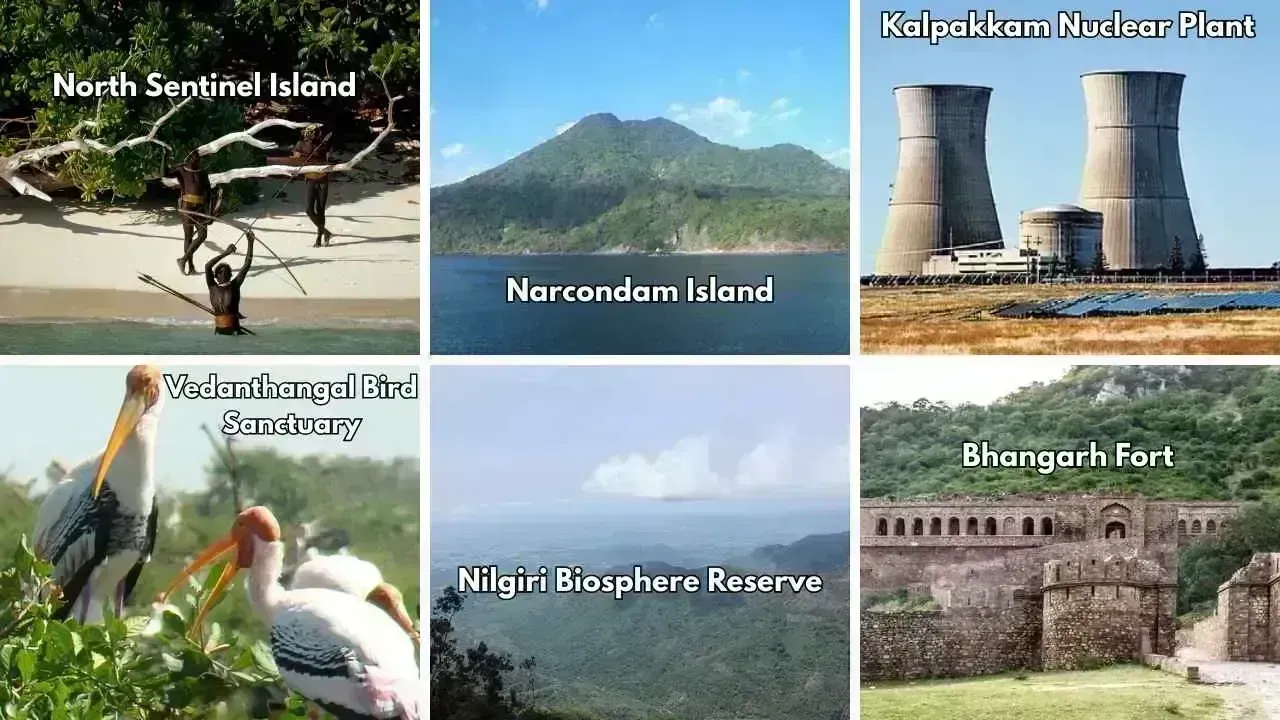
North Sentinel Island is one of the most heavily restricted territories in India. No individual, whether local or international, is permitted to access this island under any circumstances.
Home to the Sentinelese tribe, one of the last communities living entirely apart from modern society, the government enforces a complete ban on contact to shield the tribe from diseases and preserve their ancient lifestyle. Even the slightest interaction could be perilous for them.
Approaching the island by boat is strictly prohibited, and violators face serious legal consequences.
Narcondam Island represents another site where Indians need special consent to visit. This protected wildlife sanctuary is the sole habitat of the endangered Narcondam Hornbill.
The island’s environment is extremely sensitive. Access is granted only to scientists and authorized personnel to prevent disruptiveness. Tourists and the general populace are barred from entering.
These measures help maintain the island's ecological integrity.
Kalpakkam houses one of India's significant nuclear energy facilities, necessitating strict perimeter security.
Indian citizens require official permission to enter restricted areas, with access limited to authorized scientists, employees, and government officials only. Public visits, tourism, and photography are emphatically prohibited.
These rules are essential for maintaining national security and public safety.
Vedanthangal, one of India’s oldest bird reserves, welcomes visitors; however, some sections are entirely inaccessible, even to Indian nationals.
During critical periods such as breeding and nesting seasons, certain core areas are closed to protect the vulnerable eggs and chicks. Any noise, crowd movement, or photography can disturb these sensitive avian populations.
These stringent measures help safeguard thousands of migratory birds visiting the sanctuary each year.
The Nilgiri Biosphere Reserve spans Tamil Nadu, Kerala, and Karnataka. Although some regions are open for tourism, core forest areas in Tamil Nadu are entirely off-limits.
Individuals are not allowed to enter these areas without special clearance from forest authorities. These zones are crucial habitats for endangered wildlife, rare plant species, and tribal communities.
The restrictions play a vital role in protecting the ecosystem and maintaining the region's environmental balance.
Bhangarh Fort is a notable historical landmark in Rajasthan. Although visitors can explore during daylight hours, all entry is forbidden after dark.
This rule is enforced by the Archaeological Survey of India mainly for safety reasons. The area can become hazardous due to wildlife, difficult terrain, and poor visibility at night.
Warning signs are prominently displayed, and nighttime access to the fort is illegal.
Government regulations restrict access for several vital reasons, including:
National security
Safety near nuclear or defense facilities
Conservation of wildlife and forests
Respect for tribal communities
Environmental protection
These measures are designed not to hinder tourism unnecessarily, but to ensure the safety and conservation of people, nature, and India’s rich heritage.
While India is full of wonderful areas to explore, some remain regulated even for its citizens. These restrictions are there to uphold safety, security, and preservation. Awareness of such locations can help travelers steer clear of legal dilemmas and respect the guidelines set to guard these sensitive sites.
Travel is a journey of discovery, understanding limits, and exercising responsibility. Knowing which areas to avoid is just as essential as knowing where to go.
This article serves informational and awareness purposes only. Rules affecting access, entry restrictions, and permissions may change in response to government policies, security necessities, environmental issues, or local regulations. Readers are strongly encouraged to check official government websites, local authorities, or relevant departments for the most current guidelines before undertaking any travel. The content here should not be interpreted as legal, travel, or official advice. The publisher bears no responsibility for updates or decisions made following this publication.







Price Increase for Sony PS5 in Southeast Asia Effective May 1
Sony announces a price increase for the PS5 across Southeast Asia starting May 1, 2026, impacting ga

Potential ‘Super El Niño’ in 2026: Understanding the Climate Risks
Could a Super El Niño emerge in 2026? Discover its implications and potential global climate impacts

Global Energy Crisis Intensifies: Markets React to Oil Supply Challenges
Markets are on edge as oil disruptions escalate, influencing prices and economic stability. Explore

Must-See Tourist Spots in London You Can't Overlook
Explore London's essential attractions, from royal landmarks to vibrant markets, ensuring an unforge

Ultimate Guide to Snagging Cheap Flights in 2026
Unlock the secrets to booking affordable flights in 2026 with insightful tips and strategies tailore

The Impact of Consistent Small Investments on Wealth Building
Discover how investing small amounts regularly can positively transform your financial future over t