Post by : Sami Jeet
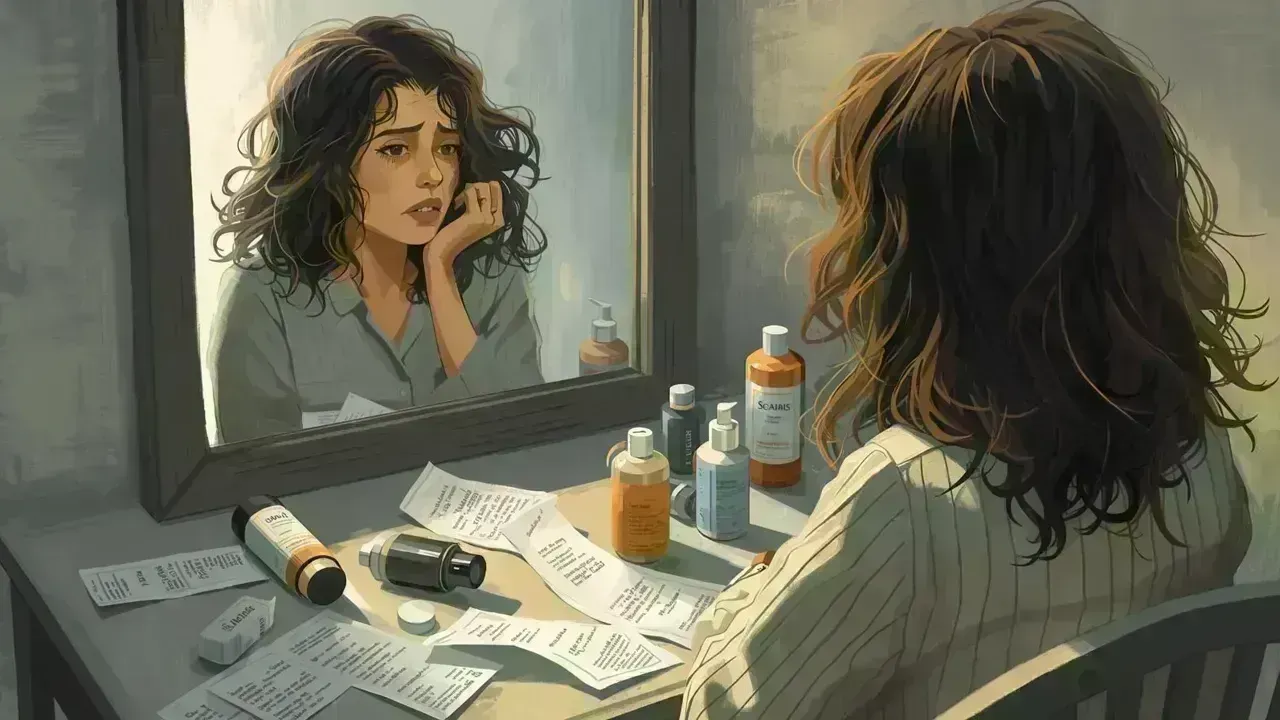
If you've been diligently applying oils, serums, and treatments but hair fall continues unabated, the issue probably isn't with your products. In 2026, a widespread concern is the treatment-resistant hair fall, where topical solutions yield negligible results.
This type of hair loss is particularly disheartening, leading to the assumption that no remedy exists. However, the root problem often resides beneath the scalp, within systemic health, or in daily habits. While oils and serums can bolster hair, they can't rectify internal issues.
This guide outlines why hair fall can persist against traditional treatments, what areas to investigate, and how to address foundational causes before investing in new products.
Oils and serums typically function on the surface level.
Enhance scalp hydration
Mitigate dryness and brittleness
Provide shine and smoothness
Boost blood circulation through massage, temporarily
Treat nutrient deficiencies
Regulate hormone levels
Address chronic stress
Resolve gut absorption problems
Counteract internal inflammation
When hair fall persists despite effective scalp care, the underlying cause is almost invariably systemic, not cosmetic.
Before addressing hair fall, it’s crucial to recognize the type of loss you're facing.
This is the leading cause of sudden hair loss today. It occurs when stress, illness, extreme dieting, or hormonal shifts transition hair into the shedding phase.
Identifying Signs:
Sudden, excessive shedding
Hair falling from the roots
Overall thinning
Typically begins 2–3 months post-trigger
Oils alone are ineffective here.
Hair weakens from insufficient nutrients.
Indicators include:
Slow regrowth and thinning
Brittleness in strands
Higher breakage rates
General fatigue accompanying hair loss
Hormonal fluctuations can impact follicle health.
Common triggers include:
Thyroid disorders
Polycystic ovary syndrome (PCOS)
Insulin resistance
Changes post-pregnancy
Topical remedies have minimal impact in these cases.
Patterned hair loss generally requires medical intervention. While oils might enhance scalp conditions, they are not sufficient alone.
Stress is the primary reason hair fall resists oils or serums.
Elevates cortisol levels
Reduces blood flow to the scalp
Pushes hair prematurely into shedding phase
Slows new hair development
Even premium haircare products falter when cortisol levels are elevated.
Hair loss often manifests weeks or months after stressors, making the connection tricky to identify.
Countless individuals assume they eat 'normally', yet still lack vital nutrients for hair health.
Hair primarily comprises keratin, a protein. Insufficient protein consumption leads to:
Thin hair
Delayed regrowth
Greater shedding
Vegetarian or inconsistent diets pose a risk.
These are essential for oxygen transport and follicle vitality.
Symptoms may include:
Excessive shedding
Fatigue or dizziness
Pale complexion
Hair oils can't compensate for these deficiencies.
A healthy diet can fail if:
Gut health is poor
Digestion slows
Meals are irregular
This is also why some supplements fall short.
Regular sugar spikes can influence hair growth more than most recognize.
Promotes inflammation
Disrupts hormonal balance
Weakens hair roots
Skipping meals or relying on simple carbs exacerbates shedding.
Hair recovery occurs during sleep.
Decreased melatonin production
Increased cortisol levels
Poor nightly recovery
Late-night screen exposure negatively impacts hair health.
Our digital lives contribute to continuous nervous system activation.
Heightened mental stress
Less physical movement
Poor posture, which limits scalp blood flow
Disrupted sleep cycles
Oils cannot counter these effects.
Some scalp issues necessitate medical or internal solutions.
Chronic dandruff or fungal issues
Follicular inflammation
Excess oil clogging follicles
Serums may offer temporary relief but not eliminate the issue.
Utilizing too many products can aggravate hair loss.
Oily scalp
Scalp irritation or itching
Increased shedding post-application
Buildup on scalp
Hair requires consistency, not excess.
Iron levels
Vitamin B12
Vitamin D
Thyroid function
People often report improvement after correcting deficiencies.
Hair growth thrives on consistent nutritional intake, not just the sporadic healthy meal.
Good quality sleep is critical for hair health.
Balanced diets rich in proteins
Stay properly hydrated
Reduce sugar intake
Boost gut health
Short walks
Breathing exercises
Frequent breaks from digital devices
Lower cortisol levels can enhance hair retention.
Use gentle shampoo
Limit heat styling
Visualize oil massages as needed
More products don’t guarantee better results.
Gentle massage
Regular physical activity
Avoid tight hairstyles
Proper circulation is essential for follicle nourishment.
Consult a dermatologist if:
Hair loss persists beyond 3–4 months
Patchy thinning occurs
Hair density noticeably decreases
Hair fall escalates rapidly
Timely intervention can prevent long-term follicle damage.
Hair reacts promptly to bodily condition changes. A disruption in stress, nutrition, or hormones will show up in your hair early. Ignoring these signs and depending solely on external solutions can hinder actual recovery.
If your hair loss remains unaffected by oils or serums, that itself is a significant clue. Instead of seeking another product, it's vital to understand the internal factors your body might be lacking or struggling with.
Upon restoring internal balance, external treatments begin to show results.
Real hair health ultimately starts from within.
This article is meant for informational purposes only and should not substitute professional medical advice. Hair loss can vary significantly based on individual health, genetics, and lifestyle factors. For persistent concerns, consult a healthcare or hair specialist for proper evaluation and treatment.










Anticipated Dates for UAE Eid Al Adha 2026 Unveiled by Astronomical Experts
Experts predict Eid Al Adha 2026 in the UAE to start on May 27, prompting early holiday planning amo

DAE Achieves Remarkable Growth in Q1 2026 With Record Revenue
Dubai Aerospace Enterprise announces impressive financial results for Q1 2026, reflecting a surge in

Price Increase for Sony PS5 in Southeast Asia Effective May 1
Sony announces a price increase for the PS5 across Southeast Asia starting May 1, 2026, impacting ga

Potential ‘Super El Niño’ in 2026: Understanding the Climate Risks
Could a Super El Niño emerge in 2026? Discover its implications and potential global climate impacts

Global Energy Crisis Intensifies: Markets React to Oil Supply Challenges
Markets are on edge as oil disruptions escalate, influencing prices and economic stability. Explore

Must-See Tourist Spots in London You Can't Overlook
Explore London's essential attractions, from royal landmarks to vibrant markets, ensuring an unforge




